Roofing Installation in Hawaii: What Homeowners Need to Know
Roofing installation is one of the most important construction decisions Hawaii homeowners make, directly affecting safety, comfort, and long-term property value. Island weather, salt exposure, and strong winds create challenges that require informed planning, material selection, and experienced execution from the very beginning.
This guide explains how roofing installation works in Hawaii, what mistakes to avoid, and how homeowners can prepare for successful projects. You will learn about benefits, options, costs, timelines, and why professional contractors play a critical role in protecting homes across the islands.
Understanding Roofing Installation for Hawaii Homes

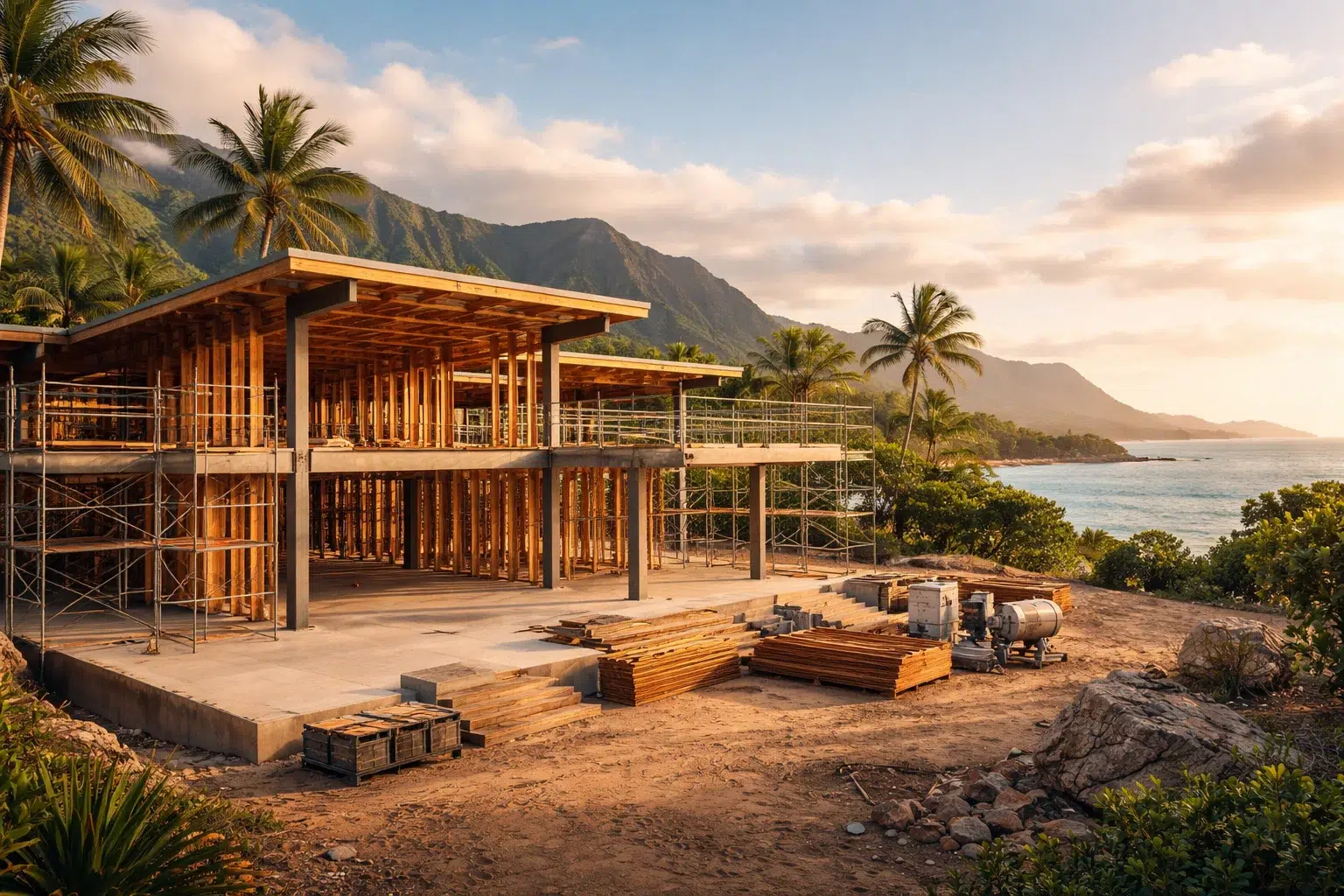
Roofing installation involves removing existing materials when necessary, preparing roof decking, installing protective underlayment, and securing roofing systems designed to withstand local conditions. In Hawaii, constant sun exposure, heavy rain, humidity, salt air, and hurricane winds influence material performance and installation standards.
Climate-driven design considerations
Hawaii’s residential roofing must address ultraviolet exposure, moisture control, and wind uplift resistance. Proper ventilation, corrosion-resistant fasteners, and water-shedding design details help prevent premature failure while supporting indoor comfort and energy efficiency throughout changing island weather conditions.
Building codes and permitting requirements
Roofing installation in Hawaii requires compliance with state and county building codes, including wind zone classifications and fastening schedules. Permits ensure safety standards are met and inspections confirm installation quality, protecting homeowners from future liabilities and insurance complications.
When homeowners should plan replacement
Roofing replacement becomes necessary when shingles curl, metal panels corrode, leaks appear, or storm damage compromises the structure. Aging roofs often fail silently, making proactive replacement essential for preventing interior damage, mold growth, and escalating repair costs over time.
Key Benefits of Roofing Installation for Homeowners
Professional roofing installation protects homes from severe weather while improving structural integrity and overall value. When completed correctly, it reduces maintenance needs, supports energy efficiency, and delivers long-term peace of mind for Hawaii homeowners facing unpredictable island conditions.
- Improved protection against heavy rain, wind, and sun exposure
- Enhanced structural safety and reduced leak risks
- Better energy efficiency through ventilation and reflective materials
- Increased property value and curb appeal
- Compliance with insurance and permitting requirements
- Long-term durability tailored to island environments
Popular Roofing Installation Options in Hawaii

Hawaii homeowners can choose from several roofing material options depending on budget, durability needs, and architectural style. Each material offers advantages and limitations influenced by climate exposure, maintenance expectations, and long-term performance considerations across different island regions.
- Asphalt Shingles: Affordable and versatile, suitable for moderate budgets but with a shorter lifespan in intense sun.
- Metal Roofing: Highly durable, wind-resistant, and reflective, ideal for coastal environments.
- Tile Roofing: Long-lasting and visually distinctive, offering excellent heat resistance.
- Standing Seam Systems: Premium metal option with superior weather sealing and modern aesthetics.
Cost Factors to Consider Before Starting Your Project
Roofing installation costs in Hawaii vary based on materials, labor complexity, structural conditions, and permit requirements. Understanding these variables helps homeowners plan realistically while avoiding surprises during construction. Professional assessments provide clarity without locking homeowners into exact pricing commitments.
| Cost Factor | How It Impacts Roofing |
|---|---|
|
Project scope |
Roof size, slope, and complexity affect labor and materials |
|
Materials |
Type, durability, and corrosion resistance influence costs |
|
Permits |
County approvals and inspections add administrative expenses |
|
Labor |
Skilled local crews ensure proper installation standards |
|
Timeline |
Weather conditions and access affect project duration |
Careful evaluation of these factors ensures roofing installation aligns with both performance expectations and financial planning. Transparent estimates allow homeowners to compare options confidently while prioritizing safety and long-term value.
Why Professional Contractors Matter in Hawaii
Roofing replacement in Hawaii demands specialized knowledge of island conditions, codes, and materials. Professional contractors reduce risks, ensure compliance, and deliver workmanship designed to withstand environmental stressors unique to the region.
- Deep understanding of local building codes and permit processes
- Experience managing coastal corrosion and wind exposure
- Proper safety practices and liability coverage
- Access to durable, island-appropriate materials
- Long-term workmanship accountability and reliability
Roofing Installation: 6 Expert Methods for Superior Safety
1. Thorough roof inspections
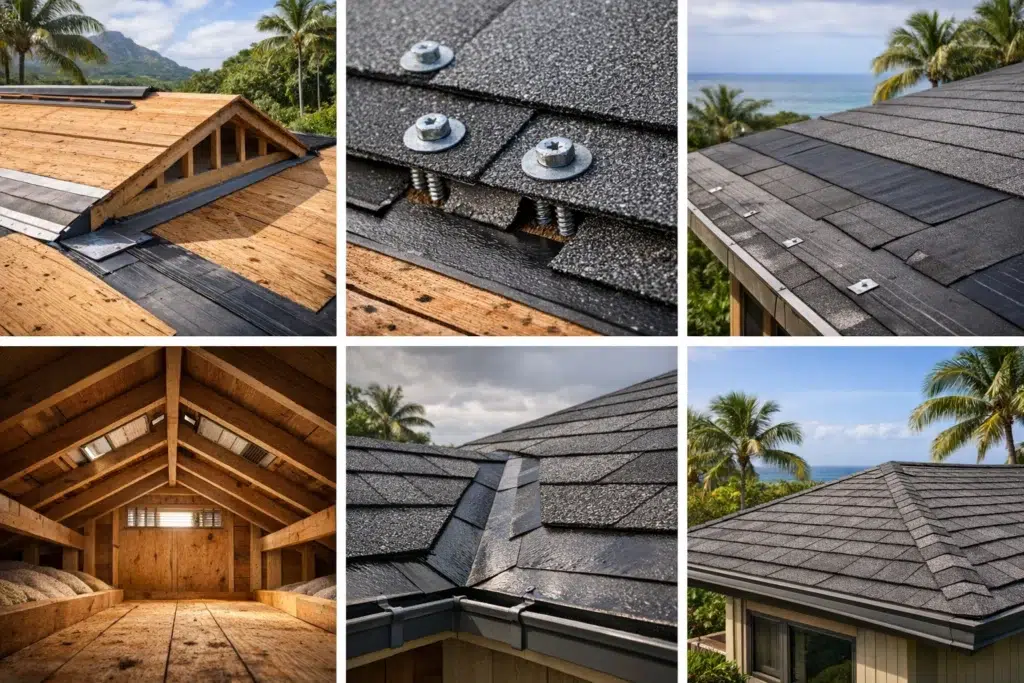
Comprehensive inspections identify hidden structural issues before roofing installation begins. Evaluating decking, flashing, and drainage prevents costly mid-project delays while ensuring the new roof system performs safely and consistently under Hawaii’s demanding environmental conditions.
2. Code-compliant fastening systems
Using approved fastening patterns and hardware is essential for safety during roof replacements and installation. Proper fastener spacing, corrosion resistance, and wind-rated assemblies protect roofs from uplift forces common during tropical storms and seasonal weather events.
3. High-quality underlayment selection
Underlayment serves as a critical moisture barrier beneath roofing materials. Choosing products designed for high humidity and heavy rainfall adds redundancy, improves leak protection, and extends the lifespan of the entire roofing installation system.
4. Ventilation and moisture management
Balanced ventilation prevents heat buildup and moisture accumulation during roofing installation. Proper airflow protects structural components, reduces mold risks, and improves indoor comfort while supporting long-term roof performance across Hawaii’s warm climate.
5. Flashing and waterproof detailing
Precision flashing installation around penetrations and edges prevents water intrusion. Attention to valleys, chimneys, and transitions ensures roofing installation remains watertight even during intense rainfall and wind-driven storms.
6. Final inspections and documentation
Post-installation inspections verify workmanship quality and code compliance. Detailed documentation supports warranties, insurance requirements, and homeowner confidence, ensuring roofing installation meets safety expectations long after project completion.
Why Homeowners Trust United Construction Group Hawaii
United Construction Group Hawaii brings hands-on experience, clear communication, and dependable craftsmanship to every roofing project. Homeowners value transparent processes, realistic timelines, and attention to detail that ensures each roof is built for Hawaii’s demanding environment.
From initial consultation through final inspection, United Construction Group Hawaii prioritizes reliability and accountability. Their team focuses on durable solutions, safety compliance, and respectful jobsite management, helping homeowners feel confident throughout the roofing installation process.
Because roofing systems directly shield homes from wind, rain, and heat, informed decisions early in the process help prevent structural damage, unexpected expenses, and performance issues. Hawaii homeowners benefit most when planning considers climate exposure, building codes, and long-term durability together.
Testimonials
“Brandon and the United Construction crew are very professional and they know what they are doing!” – Alvaro Guarana Jr.
“Brandon and his team are fantastic! Their response time is always quick, and the quality of their work is consistently excellent. Both myself and my clients have been very happy with the results. Highly recommend them for their professionalism and reliability. Thank you!” – Miki Kojima
“You would be hard pressed to find a more honest, reliable, and fair priced company to work with than UCG! Consider yourself lucky if you have the opportunity to work with Brandon and his company!” – Jesse Alverio
How It Works: Our Step-by-Step Process
Step-1: Initial consultation
The process begins with a detailed consultation to understand goals, concerns, and roof conditions. This step allows accurate recommendations, realistic timelines, and clear expectations before roofing installation planning moves forward.
Step-2: Inspection and assessment
A comprehensive roof inspection evaluates structure, materials, and potential challenges. Findings guide project scope, ensuring that new roofing addresses underlying issues rather than masking existing problems.
Step-3: Planning and permitting
The team manages permitting and scheduling while coordinating materials and labor. Proper planning keeps roofing installation compliant with local regulations and minimizes disruptions during construction.
Step-4: Professional installation
Skilled crews from UCG Hawaii complete their roofing projects using approved methods and safety standards. Attention to detail ensures durability, weather resistance, and consistent workmanship across the entire roof system.
Step-5: Final walkthrough
After completion, a final walkthrough confirms quality and answers homeowner questions. Documentation and maintenance guidance support confidence in the finished roofing installation.
Frequently Asked Questions
How long does roofing installation take in Hawaii?
Do I need permits for roofing installation?
Can I live in my home during roofing installation?
How do I choose the right roofing material?
What maintenance is required after installation?
Start Your Roofing Project with Confidence in Hawaii
If you are planning roofing installation for your Hawaii home, informed guidance makes all the difference. Schedule a consultation with United Construction Group Hawaii to discuss options, timelines, and expectations, ensuring your roof is designed and installed for lasting safety and performance.