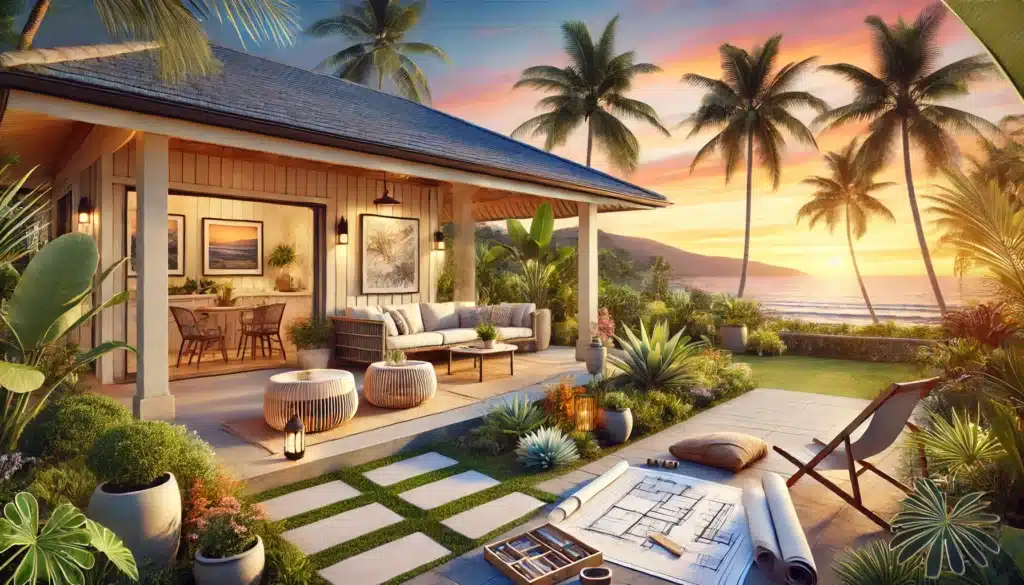
Renovation and Restoration in Hawaii: What Homeowners Need to Know
Renovation and restoration projects require thoughtful planning, especially for Hawaii homeowners balancing modern comfort with island durability. Understanding how renovation and restoration differ helps property owners protect value, respect local conditions, and plan improvements that support long-term performance, safety, and lifestyle needs.
From aging coastal homes to storm-damaged properties, renovation and restoration decisions affect budgets, timelines, and compliance. Hawaii’s climate, permitting requirements, and construction standards demand careful preparation. This guide explains essential considerations, benefits, costs, and professional guidance to help homeowners approach renovation and restoration projects confidently.
Understanding Renovation and Restoration for Hawaii Homes

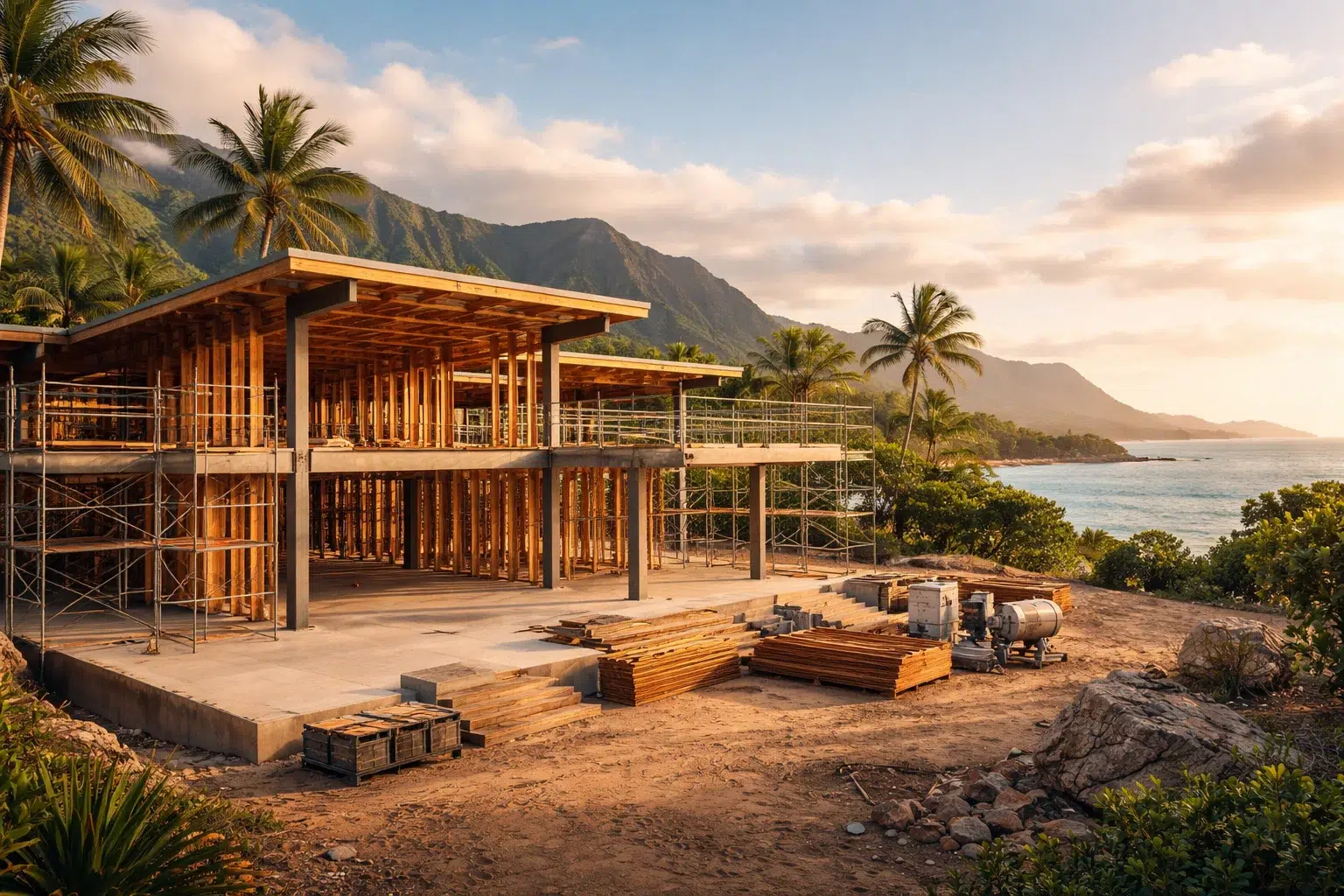
Renovation and restoration involve improving, repairing, or preserving residential structures, but each serves distinct purposes. Renovation focuses on updating functionality, layout, and finishes, while restoration emphasizes repairing damage or returning original features. Hawaii homes require added attention due to climate exposure and building codes.
Renovation Defined for Island Living
Renovation updates living spaces to improve comfort, efficiency, or style. For Hawaii homeowners, renovation often addresses outdated layouts, energy efficiency, ventilation, and indoor-outdoor flow. These improvements support modern island lifestyles while enhancing durability against humidity, salt air, and intense sun exposure.
When to Choose Renovation
- You want modern conveniences
- Your space needs functional improvements
- Energy efficiency is a priority
- You’re looking to increase property value
Restoration for Structural and Historical Integrity
Restoration focuses on repairing damaged areas or preserving original architectural features. In Hawaii, this may include addressing water intrusion, termite damage, or storm impacts. Restoration is common for older homes requiring structural reinforcement while maintaining original character and compliance with local preservation guidelines.
When to Choose Restoration
- Your home has historical significance
- You want to preserve traditional Hawaiian architecture
- Original features are still largely intact
- You value historical authenticity
Factoring-In Hawaii's Unique Environment
Hawaii’s climate and culture demand thoughtful planning, where moisture, salt exposure, regulations, and island-inspired design all influence material choices and construction methods for long-lasting, compliant, and visually cohesive results outcomes.
- High humidity requires specific materials
- Salt air considerations
- Local building codes
- Traditional architectural elements
Planning Your Home Renovation and Restoration

Starting a home renovation and restoration project requires clear goals, careful planning, and informed decisions. Rather than simple cosmetic updates, effective renovation and restoration focuses on improving functionality, comfort, and long-term value while aligning the space with your lifestyle.
“A well-planned renovation is the blueprint for your dream home’s future.”
Practical and Purpose-Driven Renovation Planning
Thoughtful renovation and restoration planning balances visual appeal with everyday usability. Evaluating how design changes impact daily routines, energy performance, and resale value ensures improvements remain functional, adaptable, and worthwhile for years to come.
Here are the first steps to begin your project:
Look at your current space and find what needs fixing
Decide what you want to change
Check out relevant design styles and materials
Set a budget that makes sense
Make a detailed plan for your project
Focus on making your space more useful
Think about making your home more energy efficient
Plan for adding new tech features
Popular Renovation and Restoration Options in Hawaii

Hawaii homeowners often prioritize renovation and restoration options that balance durability, comfort, and visual appeal. The following common approaches reflect practical upgrades and preservation strategies suited to island homes, coastal exposure, and long-term maintenance considerations.
- Kitchen and bathroom modernization for improved functionality
- Structural repairs addressing water or termite damage
- Exterior restoration, including siding, roofing, and windows
- Open floor plan renovations enhancing airflow and light
- Preservation of original materials and architectural details
Sustainable Renovation Materials and Home Updating Tips

Renovating your home with sustainable improvements is good for the planet and your wallet. More homeowners are choosing eco-friendly updates. These changes cut down on carbon emissions and make homes more efficient and lovely.
Sustainable Materials
Sustainable renovation materials are changing how we design homes. They offer stylish, green options like recycled wood and low-VOC paints. These choices let homeowners go green without losing quality.
- Reclaimed wood for flooring and accent walls
- Bamboo and cork as renewable material alternatives
- Recycled glass countertops
- Solar-reflective roofing materials
Key Tips for Sustainable Home Updates
- Check if your home’s systems use energy wisely
- Choose materials that are locally sourced and sustainable
- Install water-saving fixtures
- Use natural light and air to your advantage
| Material | Sustainability Rating | Cost Effectiveness |
|---|---|---|
|
Recycled Glass Countertops |
High |
Medium-High |
|
Bamboo Flooring |
Very High |
Medium |
|
Reclaimed Wood |
High |
Low-Medium |
|
Cork Insulation |
High |
Medium |
Starting your sustainable renovation journey means knowing every green choice matters. By picking sustainable materials and smart design, you make a home that’s both stunning and eco-friendly.
Smart Home Technology Integration Essentials

Home renovation and restoration projects have changed a lot with smart home technology. Now, homeowners can make their homes smarter, more comfortable, efficient, and secure. This technology makes homes work better together, offering new ways to live.
When you think about adding smart home tech to your home, there are a few important things to consider:
Home Automation Systems
Today’s home automation systems let you control your home easily. You can use apps or voice commands to manage lights, temperature, and more.
- Centralized control of lighting, temperature, and entertainment systems
- Remote access and monitoring capabilities
- Customizable settings for personalized home experiences
Energy Management Solutions
Smart home tech also helps save energy and money. It tracks and manages energy use in your home.
| Technology | Energy Savings Potential | Implementation Complexity |
|---|---|---|
|
Smart Thermostats |
10-15% |
Low |
|
Automated Lighting Controls |
5-10% |
Medium |
|
Comprehensive Energy Management Systems |
20-30% |
High |
Security and Safety Features
Adding smart security tech makes your home safer and more secure. Modern security features let you monitor your home in real-time and send you instant alerts.
- Intelligent surveillance cameras
- Smart door locks with remote access
- Motion-activated security systems
- Integration with mobile device alerts
By using smart home tech, you can make your home more efficient, safe, and responsive. It fits your lifestyle perfectly.
Kitchen and Bathroom Transformation Guide

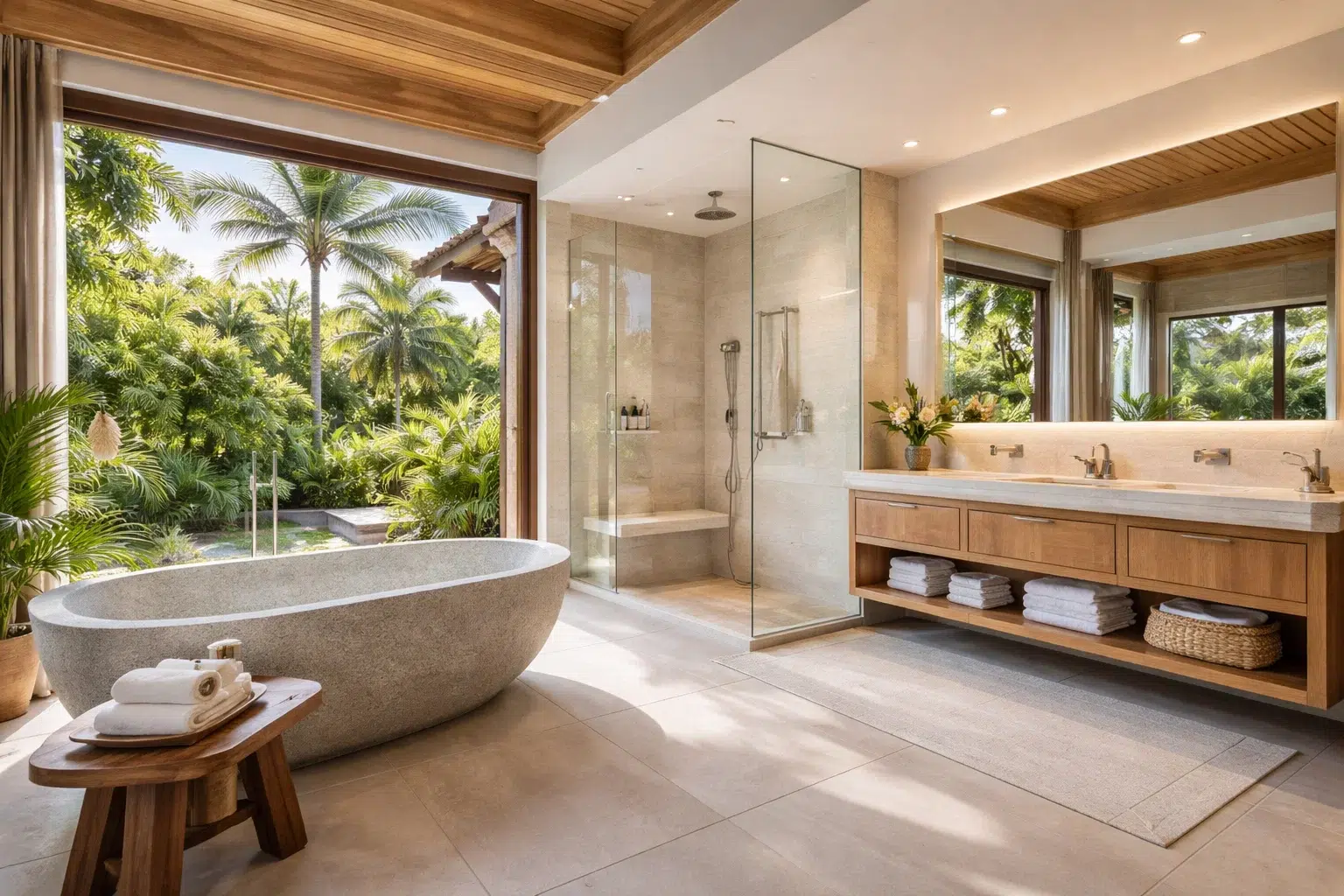
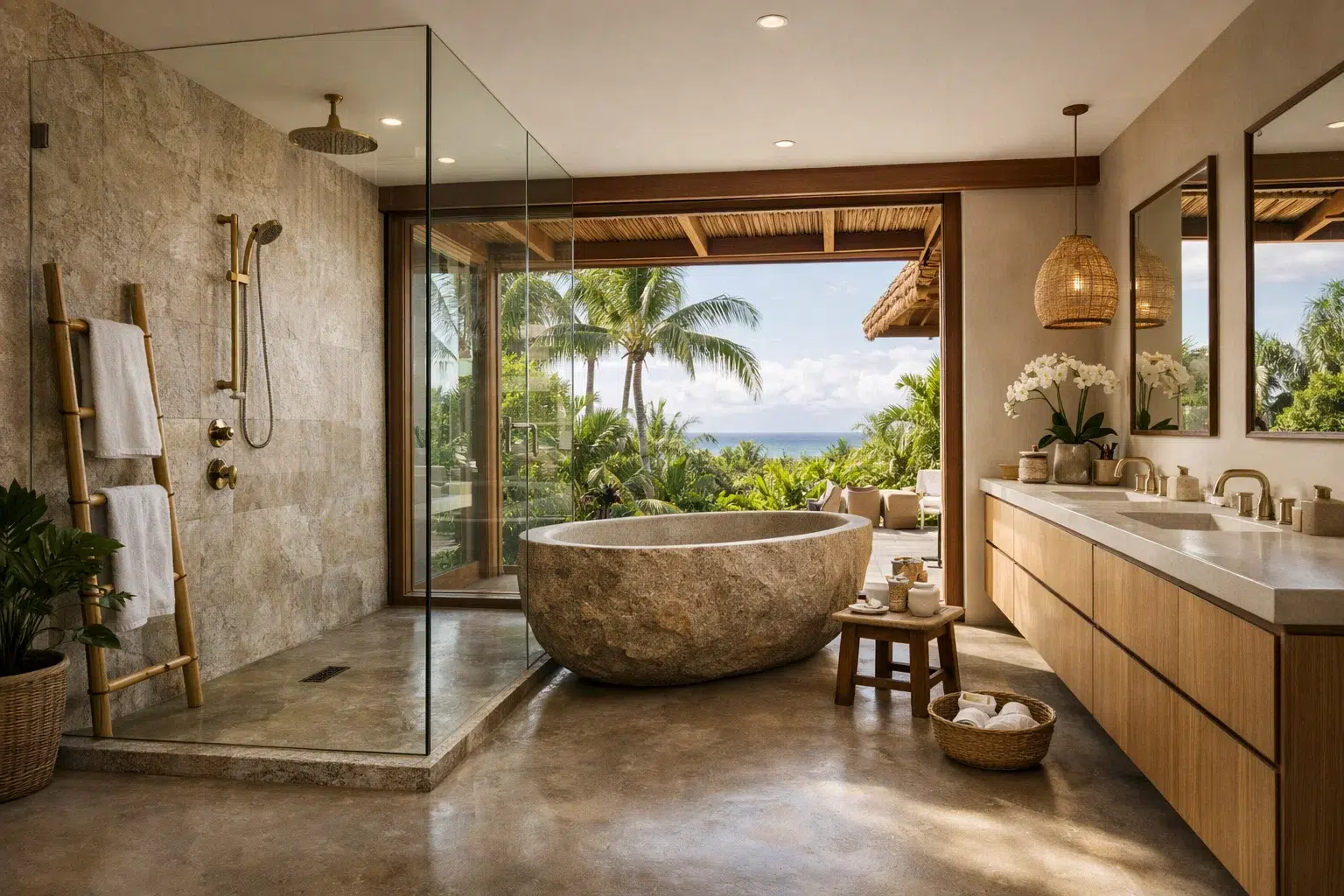
Bringing new life to your home begins with updating your kitchen and bathroom. These areas are more than just places to do chores. They are the heart of your home. New design trends focus on making these spaces both beautiful and useful.
- Maximize storage with smart cabinetry solutions
- Integrate energy-efficient appliances
- Select durable, low-maintenance materials
- Create multi-functional spaces
Modern Interior Designs Preferred by Homeowners
| Kitchen Upgrades | Bathroom Enhancements |
|---|---|
|
Open shelving |
Walk-in showers |
|
Quartz countertops |
Smart mirrors |
|
Touchless faucets |
Heated flooring |
Remodeling on a budget means planning carefully. Choose updates that boost both function and value. Consider doing renovations in stages to save money and reduce hassle.
Getting advice from professionals can turn your dream into reality. They ensure your kitchen and bathroom updates match your style and needs.
Creating Functional Open Floor Plans

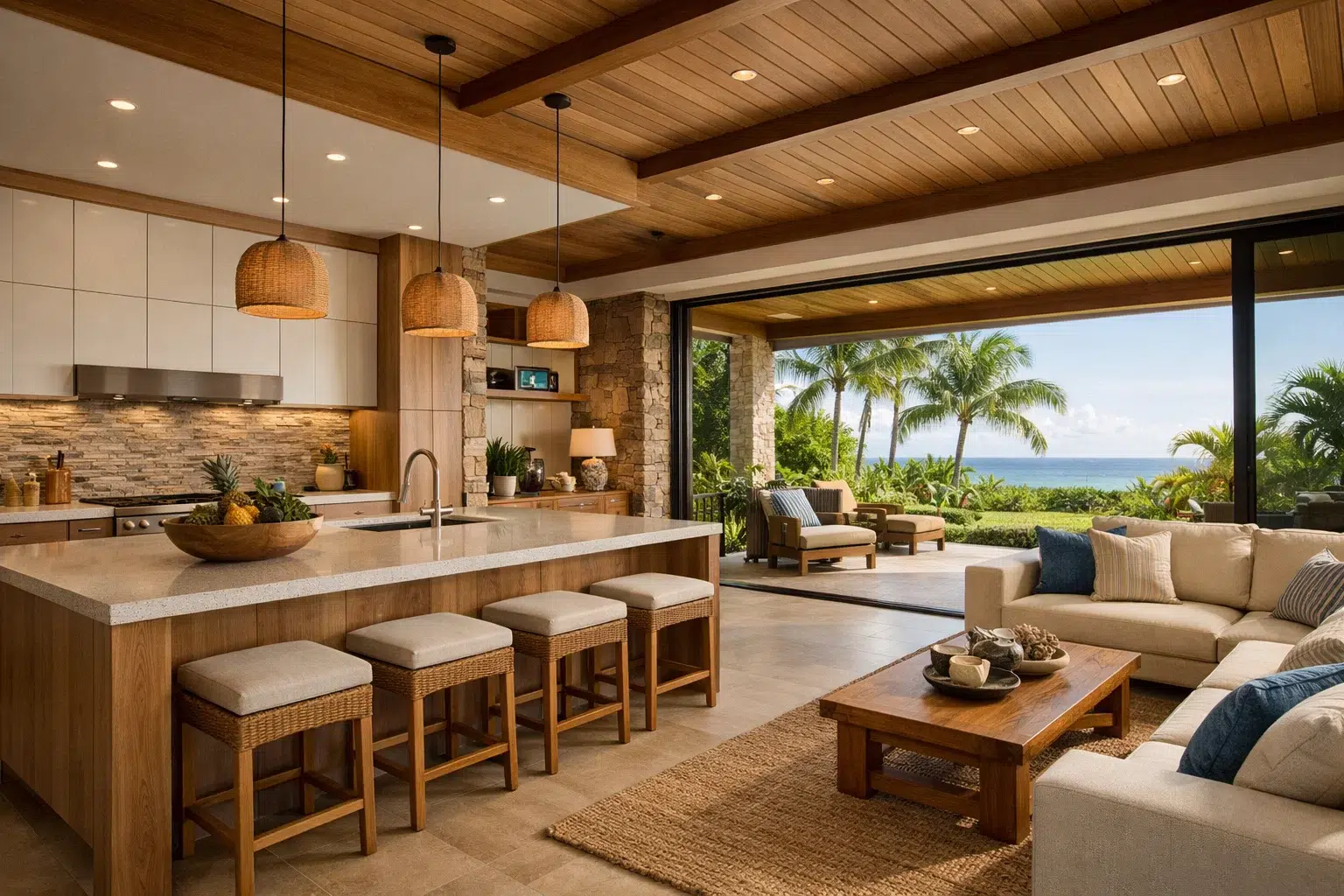
Open floor plans play a central role in modern interior design, renovation, and restoration projects. Beyond removing walls, they focus on improving flow, flexibility, and visual continuity, creating connected living areas that feel larger, function efficiently, and adapt seamlessly to changing household needs and lifestyles.
Space Optimization Techniques
- Choose furniture that does more than one thing
- Use area rugs or lights as dividers
- Make different areas in the open space
- Keep colors the same for a unified look
Load-Bearing Wall Considerations
Before tearing down walls, get a pro’s opinion. Your home’s safety is more important than looks. A structural engineer can tell you:
- Which walls are key to your home’s structure
- How to strengthen walls if needed
- What will it cost to change the walls
- What permits and rules do you need to follow
Traffic Flow Planning
Good open floor plans make moving around easy. Plan your space so people can walk smoothly between areas like the kitchen, dining, and living room. Putting furniture in the right spots and keeping paths clear is key for a comfortable space.
Outdoor Living Space Enhancement

Turning your outdoor areas into something special can make your home look and feel better. More people are now focusing on making their outdoor spaces useful and beautiful. They want to go beyond just planting flowers.
To make your outdoor areas great, you need a good plan and creative ideas. The best projects include:
- Multi-functional deck and patio designs
- Weather-resistant furniture selections
- Strategic lighting installations
- Integrated landscaping features
Think about adding things that make moving from inside to outside smooth. Things like sliding glass doors, covered pergolas, and modular seating can really open up your space.
Eco-Friendly and Modern Outdoor Space Upgrades
- Install programmable LED landscape lighting
- Solar Lighting: Lamps and LED fixtures
- Create designated entertainment zones
- Use native plant landscaping for low maintenance
- Design flexible outdoor cooking areas
- Smart irrigation
Renovating your outdoor areas needs careful planning and expert advice. Spending on great design ideas, durable materials, and modern upgrades means you’ll enjoy it for years. It also makes your home more valuable.
Energy-Efficient Upgrades and Solutions

Turning your home into an energy-efficient haven is wise. It’s not just a trend. It’s a smart move for your home’s future. Smart tech and green upgrades cut energy use, boost comfort, and raise your home’s value.
Today’s homeowners want renovation and restoration upgrades that save money and help the planet. By making smart changes, you can cut down on bills and live greener.
Insulation and Window Improvements
Good insulation is key to saving energy. Here are some tips:
- Choose high-performance spray foam insulation
- Get double-pane or triple-pane windows
- Seal gaps around windows and doors
HVAC System Modernization
Heating and cooling systems applied during a renovation and restoration will use a lot of energy with future uses. Upgrading them can save a lot:
| Upgrade Option | Estimated Energy Savings | Initial Cost |
|---|---|---|
|
Smart Thermostat |
10-15% |
$200-$500 |
|
High-Efficiency Heat Pump |
20-30% |
$4,000-$8,000 |
|
Zoned HVAC System |
25-40% |
$5,000-$10,000 |
Renewable Energy Options
Adding renewable energy makes your home eco-friendly:
- Install solar panels
- Try geothermal heating
- Use wind energy if you live in a rural area
“Investing in energy-efficient upgrades is not an expense—it’s a long-term strategy for reducing costs and environmental impact.” – Energy Conservation Expert
Pro tip: Many energy-efficient upgrades get you federal tax credits and local perks. This makes going green even more appealing.
Cost Factors to Consider Before Starting Your Project
Renovation and restoration costs vary widely based on project scope, materials, and property condition. Hawaii homeowners must account for permitting, logistics, and labor availability. Careful budgeting helps avoid surprises while supporting quality workmanship and regulatory compliance.
| Cost Factor | Considerations |
|---|---|
|
Project Scope |
Size, complexity, and combined renovation or restoration needs |
|
Materials |
Durability, moisture resistance, and availability in Hawaii |
|
Permits |
County approvals, inspections, and compliance requirements |
|
Labor |
Skilled local trades and scheduling availability |
|
Timeline |
Shipping delays, inspections, and weather conditions |
Understanding these factors helps homeowners plan realistic budgets and timelines. Working with experienced professionals ensures cost transparency while prioritizing safety, durability, and long-term performance.
Setting Realistic Budgets and Financial Planning for Home Improvements
Starting home improvement projects requires smart budget planning and financial strategy. Your renovation dreams can come true with careful financial preparation and budget-friendly approaches.
Understanding your financial situation is key when thinking about home improvement. Budget-friendly renovations begin with a thorough financial assessment and strategic planning.
Financing Options and Loan Considerations
There are many financing options for homeowners looking to fund renovations:
- Home equity loans with competitive interest rates
- Personal renovation loans
- Government-backed renovation financing programs
- Cash-out refinancing options
Cost Estimation Strategies
Accurate cost estimation helps avoid financial surprises during home improvement projects. Here are some strategies:
- Get multiple contractor quotes
- Research material costs thoroughly
- Include labor expenses
- Add 10-20% contingency buffer
| Renovation Type | Average Cost Range | ROI Potential |
|---|---|---|
|
Kitchen Remodel |
$25,000 – $50,000 |
60-80% |
|
Bathroom Update |
$10,000 – $30,000 |
50-70% |
|
Living Room Renovation |
$5,000 – $15,000 |
40-60% |
Emergency Fund Allocation
Good budget planning includes setting up a financial safety net. Experts suggest saving 10-20% of your total renovation budget for unexpected expenses.
“Smart financial planning turns home improvement into an exciting journey.” – Real Estate Financial Advisor
By using these budget-friendly renovation strategies, you’ll confidently and financially prepare for home improvements.
Renovation and Restoration: 8 Smart Strategies for Amazing Homes

1. Assess Existing Conditions Thoroughly
A detailed evaluation of existing conditions identifies structural issues, moisture damage, and outdated systems. Hawaii homes benefit from early assessments addressing environmental exposure, allowing renovation and restoration plans to prioritize safety, durability, and realistic budgeting before design decisions are finalized.
2. Balance Modern Updates with Preservation
Successful renovation and restoration projects balance modern functionality with preserved features. This approach allows Hawaii homeowners to enjoy updated comfort while respecting original craftsmanship, neighborhood character, or historical elements that contribute to long-term property value and architectural integrity.
3. Plan for Climate Resilience
Hawaii’s climate demands resilient design strategies. Renovation and restoration planning should consider ventilation, moisture management, corrosion-resistant materials, and storm readiness. These measures reduce long-term maintenance needs while improving comfort and protecting homes from environmental stressors.
4. Understand Permit Requirements Early
Permitting is a critical component of renovation and restoration in Hawaii. Understanding county requirements early helps homeowners avoid delays, redesigns, or penalties. Professional guidance ensures plans meet zoning, safety, and inspection standards throughout the project lifecycle.
5. Prioritize Structural Integrity First
Structural repairs should take precedence over cosmetic upgrades. Addressing foundations, framing, and water intrusion ensures renovation and restoration investments are built on a safe, stable foundation that supports future improvements and protects occupants long term.
6. Choose Materials Designed for Hawaii
Material selection significantly impacts performance. Renovation and restoration projects benefit from materials designed for humidity, salt exposure, and sun intensity. Durable finishes and systems reduce deterioration while maintaining appearance and functionality over time.
7. Coordinate Timelines Realistically
Island logistics affect timelines. Shipping materials, scheduling inspections, and weather conditions influence renovation and restoration schedules. Realistic planning helps homeowners manage expectations while maintaining workflow efficiency and minimizing disruptions during construction.
8. Work with Experienced Local Professionals
Local professionals bring valuable insight into Hawaii’s construction challenges. Their experience helps homeowners navigate renovation and restoration complexities, manage costs, and achieve durable outcomes aligned with local standards and long-term property goals.
Why Homeowners Trust United Construction Group Hawaii
United Construction Group Hawaii brings hands-on experience, skilled craftsmanship, and clear communication to renovation and restoration projects. Homeowners value reliable guidance, attention to detail, and practical solutions designed specifically for Hawaii’s climate, codes, and construction challenges.
From planning through completion, United Construction Group Hawaii emphasizes transparency, safety, and quality. Their commitment to durable materials, efficient processes, and respectful collaboration helps homeowners feel confident navigating renovation and restoration projects while protecting long-term property value.
Testimonials
“Brandon and the United Construction crew are very professional and they know what they are doing!” – Alvaro Guarana Jr.
“Brandon and his team are fantastic! Their response time is always quick, and the quality of their work is consistently excellent. Both myself and my clients have been very happy with the results. Highly recommend them for their professionalism and reliability. Thank you!” – Miki Kojima
“You would be hard pressed to find a more honest, reliable, and fair priced company to work with than UCG! Consider yourself lucky if you have the opportunity to work with Brandon and his company!” – Jesse Alverio
How It Works: Our Step-by-Step Process
Step-1: Initial Consultation
The process begins with a detailed consultation to understand homeowner goals, property conditions, and budget considerations. This step establishes project scope, identifies renovation and restoration priorities, and ensures alignment with Hawaii regulations and site-specific requirements.
Step-2: Site Evaluation and Planning
A comprehensive site evaluation assesses structural conditions, environmental exposure, and existing systems. Planning integrates renovation and restoration needs into clear designs, timelines, and compliance strategies tailored to Hawaii’s construction standards and climate challenges.
Step-3: Design and Permitting
Design development incorporates functionality, durability, and aesthetics. Permitting follows, with documentation prepared for county review. Professional coordination streamlines approvals while ensuring renovation and restoration plans meet zoning, safety, and inspection requirements.
Step-4: Construction and Quality Control
Construction begins with careful sequencing of restoration and renovation tasks. Ongoing quality control ensures workmanship meets specifications, addresses unforeseen issues promptly, and maintains safety standards throughout the project lifecycle.
Step-5: Final Walkthrough and Completion
The final walkthrough confirms project completion, quality, and functionality. Homeowners receive guidance on maintenance and care, ensuring renovation and restoration investments perform reliably and continue supporting comfort, safety, and long-term value.
Frequently Asked Questions
How long do renovation and restoration projects take?
Do renovation and restoration projects require permits?
Can homeowners live in the home during construction?
How are costs estimated for renovation and restoration?
What is the difference between renovation and restoration?
Start Your Renovation and Restoration Project with Confidence
Planning renovation and restoration projects requires informed decisions, realistic expectations, and trusted guidance. Homeowners exploring upgrades or repairs can benefit from professional consultation to understand options, timelines, and requirements while ensuring their Hawaii home remains safe, durable, and comfortable for years ahead.