Kitchen Remodel in Hawaii: What Homeowners Need to Know
Kitchen remodel projects remain one of the most impactful home improvements for Hawaii homeowners, blending daily functionality with long-term property value. From coastal design influences to island building regulations, understanding local considerations helps homeowners plan smarter, avoid delays, and create kitchens suited to Hawaii’s unique lifestyle.
Whether updating an older plantation-style home or modernizing a contemporary residence, a kitchen remodel requires thoughtful planning. This guide explains essential design options, cost considerations, and professional insights to help Hawaii homeowners make informed decisions before starting their remodeling journey.
Understanding Kitchen Remodel for Hawaii Homes
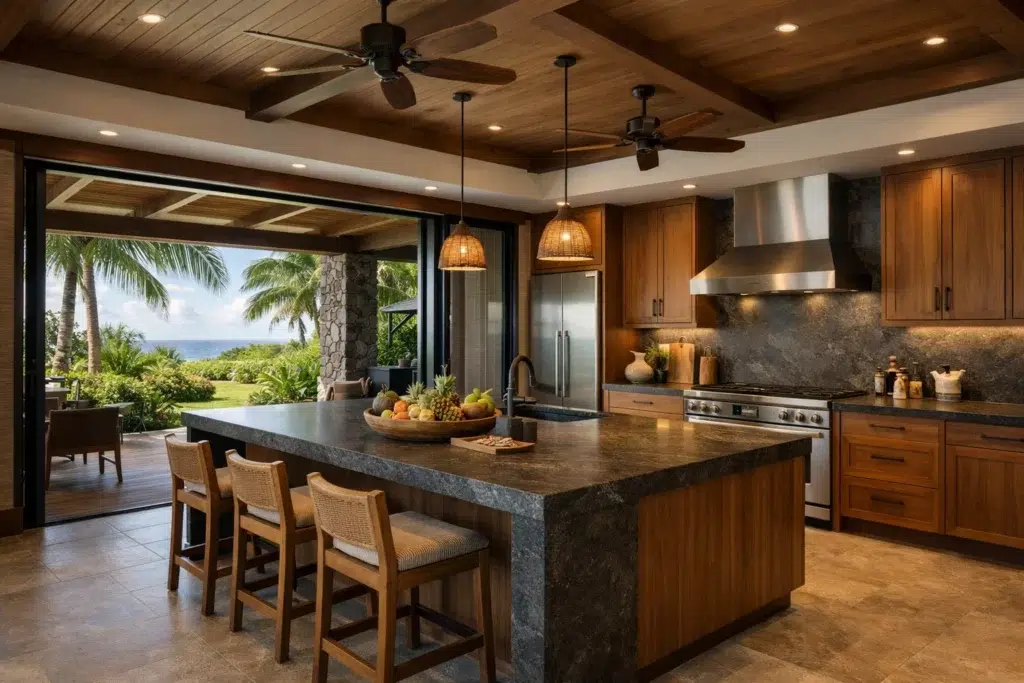
A kitchen remodel involves updating layouts, cabinetry, appliances, finishes, and infrastructure to improve usability and aesthetics. Hawaii homes often require moisture-resistant materials, efficient ventilation, and thoughtful layouts that support indoor-outdoor living while complying with island-specific building requirements.
Climate-Driven Design Considerations
Hawaii’s humid, coastal climate influences kitchen remodel decisions significantly. Materials must resist moisture, salt air, and temperature fluctuations. Proper ventilation, durable finishes, and mold-resistant cabinetry help maintain performance and comfort while extending the lifespan of remodeled kitchens across island environments.
Lifestyle and Space Planning
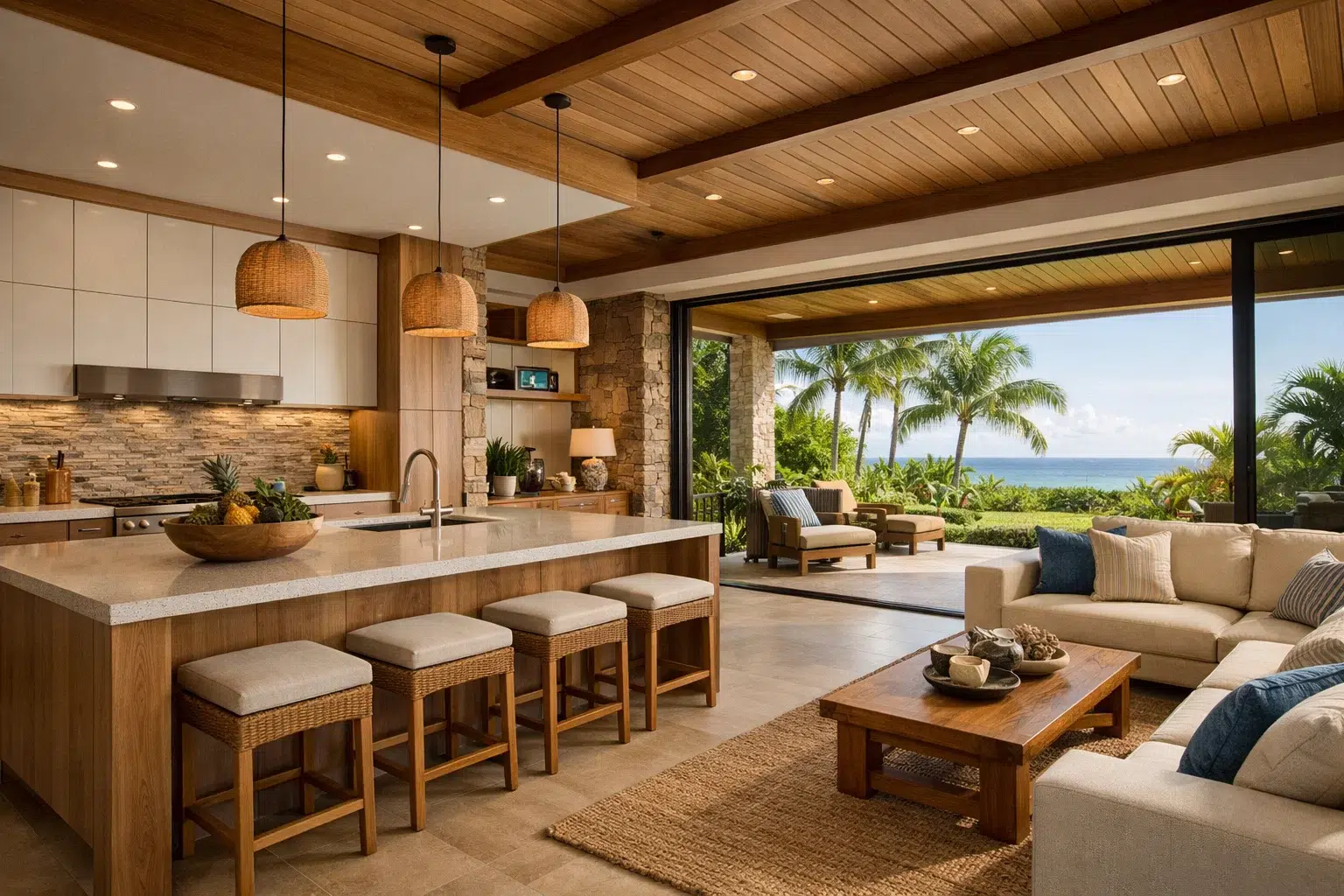
Many Hawaii households value open kitchens that connect seamlessly to living and outdoor spaces. Remodeling often focuses on improving flow, increasing counter space, and enhancing functionality for entertaining, cooking fresh island ingredients, and supporting multi-generational living arrangements common across Hawaii communities.
When a Kitchen Remodel Makes Sense
Homeowners typically consider kitchen remodels when layouts feel outdated, storage is insufficient, or appliances underperform. In Hawaii, remodels are also common after storm wear, aging materials, or when improving energy efficiency and resale value in competitive island real estate markets.
Key Benefits of Kitchen Remodel for Homeowners
A well-planned kitchen remodel improves daily living while increasing long-term property value for Hawaii homeowners. Beyond visual upgrades, thoughtful remodeling enhances efficiency, comfort, and durability, ensuring kitchens perform well under island conditions and evolving household needs.
- Improved workflow and cooking efficiency
- Increased storage and organization
- Enhanced natural lighting and ventilation
- Better energy efficiency and appliance performance
- Increased home value and buyer appeal
- Materials designed for Hawaii’s climate
Popular Kitchen Remodeling Options in Hawaii
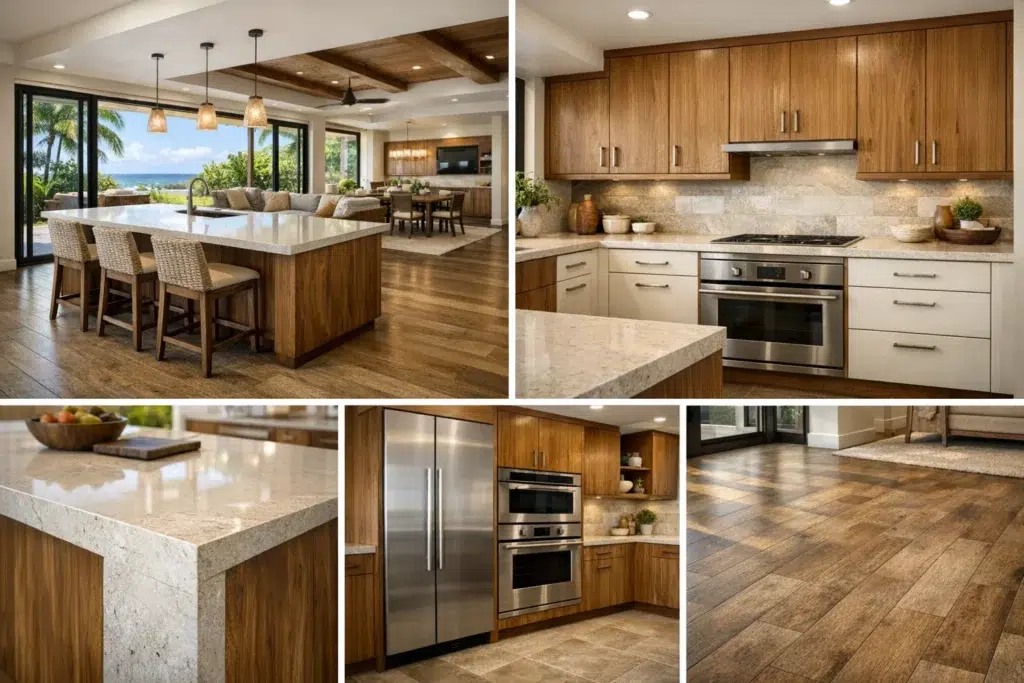
Hawaii homeowners often balance practical upgrades with island-inspired aesthetics when remodeling kitchens. The following options reflect common choices that align with local lifestyles, architectural styles, and durability requirements.
- Open-concept kitchen layouts connecting living areas
- Custom or semi-custom cabinetry with moisture resistance
- Quartz or natural stone countertops for durability
- Energy-efficient appliances suited for island utilities
- Tile or luxury vinyl flooring for easy maintenance
Cost Factors to Consider Before Starting Your Project
Kitchen remodel costs in Hawaii vary based on scope, material selections, labor availability, and regulatory requirements. Understanding key cost drivers helps homeowners set realistic expectations and plan budgets effectively before beginning construction.
| Cost Factor | Description |
|---|---|
|
Project Scope |
Full remodels cost more than surface-level updates or partial renovations |
|
Materials |
Cabinetry, countertops, and finishes vary widely in durability and price |
|
Permits |
Local permitting requirements impact timelines and costs |
|
Labor |
Skilled local labor reflects Hawaii’s specialized construction market |
|
Timeline |
Extended schedules can increase overall project expenses |
Careful planning and professional guidance help balance design goals with budget realities while avoiding unexpected costs during the remodeling process.
Why Professional Contractors Matter in Hawaii
Hiring experienced professional contractors is essential for successful kitchen remodels in Hawaii. Local expertise ensures projects meet environmental demands, building codes, and long-term performance expectations unique to island homes.
- Knowledge of Hawaii building codes and permitting
- Experience sourcing durable, climate-appropriate materials
- Proper project coordination and scheduling
- Safety compliance and liability protection
- Long-term value through quality craftsmanship
Kitchen Remodel: 8 Smart & Reliable Expert Remodeling Tips
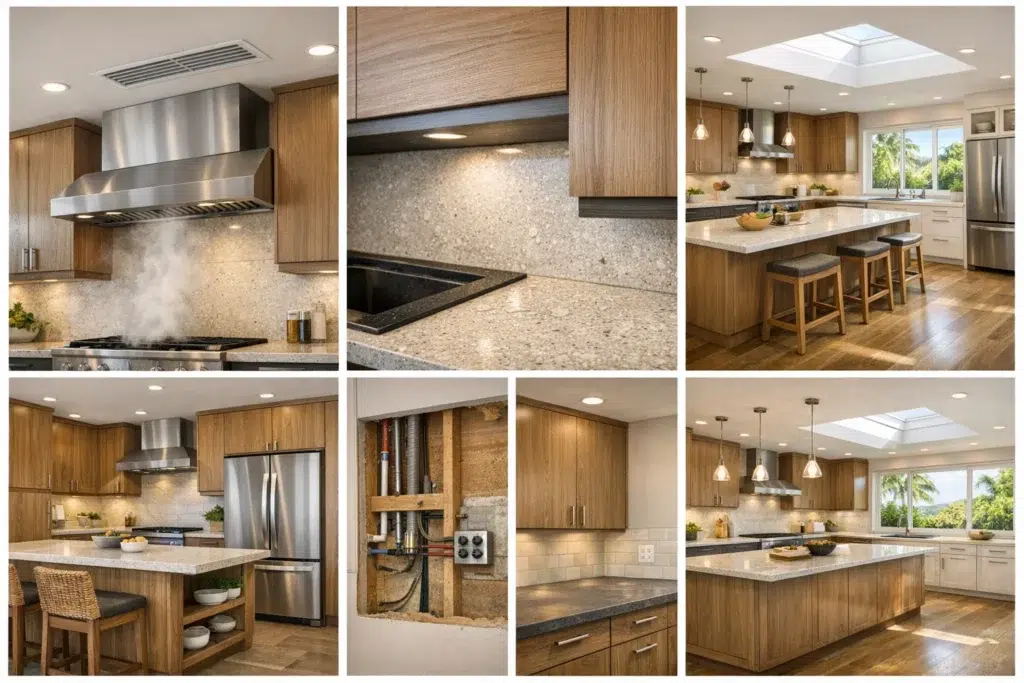
1. Plan for Ventilation Early
Proper ventilation is critical in Hawaii kitchens due to humidity and frequent cooking. Early planning ensures range hoods, airflow paths, and moisture control systems integrate seamlessly into the design, preventing long-term issues like mold, lingering odors, and material deterioration.
2. Prioritize Durable Materials
Selecting materials designed for moisture resistance and heavy use protects your kitchen investment. Countertops, cabinetry, and flooring should withstand humidity, spills, and daily wear while maintaining appearance and performance throughout Hawaii’s changing coastal and inland environments.
3. Optimize Layout Efficiency
Efficient layouts reduce unnecessary movement and improve daily usability. Thoughtful placement of appliances, work zones, and storage ensures the kitchen supports cooking routines, entertaining needs, and multi-user households without feeling cramped or disorganized.
4. Incorporate Natural Light
Maximizing natural light enhances comfort and reduces energy usage. Strategic window placement, skylights, and reflective finishes brighten kitchens while complementing Hawaii’s outdoor lifestyle, creating inviting spaces that feel open, airy, and connected to surrounding landscapes.
5. Balance Style and Function
A successful kitchen remodel balances visual appeal with practicality. Island-inspired aesthetics should never compromise functionality, storage, or durability. Thoughtful design ensures kitchens remain timeless, efficient, and easy to maintain as household needs evolve.
6. Budget for Contingencies
Unexpected conditions often surface during remodels, especially in older Hawaii homes. Setting aside contingency funds helps address structural adjustments, plumbing updates, or electrical improvements without derailing project timelines or overall financial plans.
7. Understand Permit Requirements
Kitchen remodels frequently require permits for electrical, plumbing, or structural changes. Understanding local regulations early prevents delays, ensures compliance, and protects homeowners from future issues when selling or refinancing their properties.
8. Work with Local Experts
Local professionals understand Hawaii-specific challenges, from supply logistics to climate considerations. Their experience helps streamline decision-making, reduce risks, and deliver kitchen remodels that perform reliably in island conditions.
Why Homeowners Trust United Construction Group Hawaii
United Construction Group Hawaii is trusted by homeowners for consistent craftsmanship, transparent communication, and dependable project management. Their experience across diverse Hawaii properties allows them to deliver kitchen remodels that balance durability, functionality, and design while respecting local building standards.
Homeowners value UCG Hawaii’s commitment to clear timelines, thoughtful planning, and long-term performance. By prioritizing quality materials, professional execution, and client collaboration, UCG Hawaii builds kitchens that serve families reliably while enhancing comfort, efficiency, and overall home value.
Testimonials
“Brandon and the United Construction crew are very professional and they know what they are doing!” – Alvaro Guarana Jr.
“Brandon and his team are fantastic! Their response time is always quick, and the quality of their work is consistently excellent. Both myself and my clients have been very happy with the results. Highly recommend them for their professionalism and reliability. Thank you!” – Miki Kojima
“You would be hard pressed to find a more honest, reliable, and fair priced company to work with than UCG! Consider yourself lucky if you have the opportunity to work with Brandon and his company!” – Jesse Alverio
How It Works: Our Step-by-Step Process
Step-1: Initial Consultation
The process begins with a detailed consultation to understand homeowner goals, space limitations, and budget considerations. This step establishes project priorities while identifying potential challenges related to layout, materials, and Hawaii-specific construction requirements.
Step-2: Design and Planning
Design development transforms ideas into workable plans. Layouts, materials, and timelines are refined while ensuring compliance with local codes. Clear planning helps prevent surprises and ensures the kitchen remodel aligns with homeowner expectations.
Step-3: Permitting and Scheduling
Permits are secured and schedules finalized before construction begins. Proper coordination ensures inspections, material deliveries, and labor resources align efficiently, minimizing delays common in Hawaii’s construction environment.
Step-4: Construction and Installation
Skilled professionals execute demolition, installations, and upgrades with attention to detail. Quality workmanship and ongoing communication keep homeowners informed while maintaining safety, cleanliness, and adherence to approved designs.
Step-5: Final Walkthrough
The project concludes with a walkthrough to review completed work. Any final adjustments are addressed, ensuring the remodeled kitchen meets functional goals, aesthetic expectations, and long-term performance standards.
Frequently Asked Questions
How long does a kitchen remodel take in Hawaii?
Do kitchen remodels require permits?
Can homeowners live in their home during a kitchen remodel?
How much should homeowners budget for contingencies?
What materials work best for Hawaii kitchens?
Start Your Kitchen Remodel with Confidence in Hawaii
Planning a kitchen remodel in Hawaii starts with understanding local conditions, realistic budgeting, and home improvement professional guidance. Homeowners who invest time in preparation and partner with experienced local contractors can create kitchens that deliver lasting comfort, functionality, and value without unnecessary stress or costly surprises.