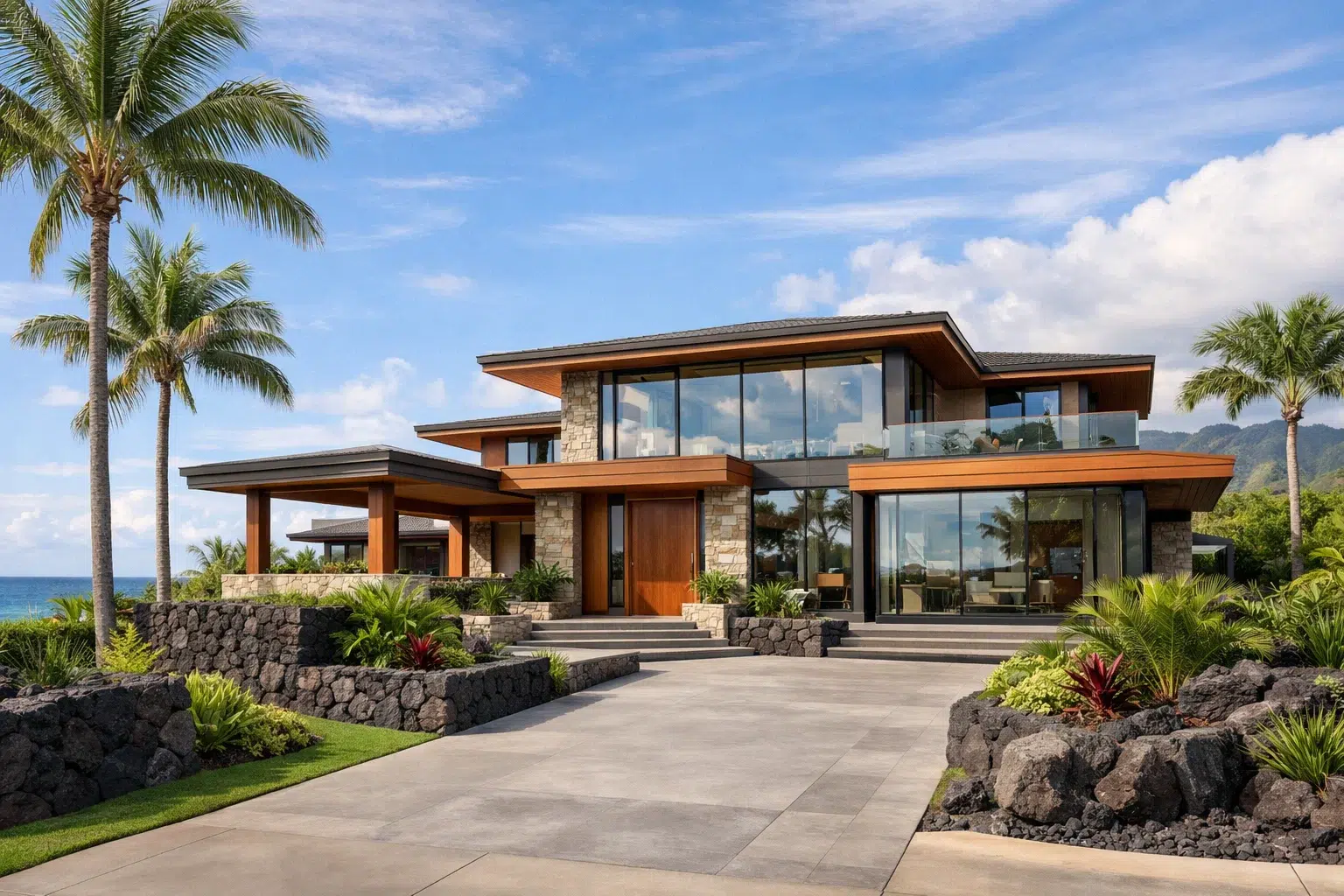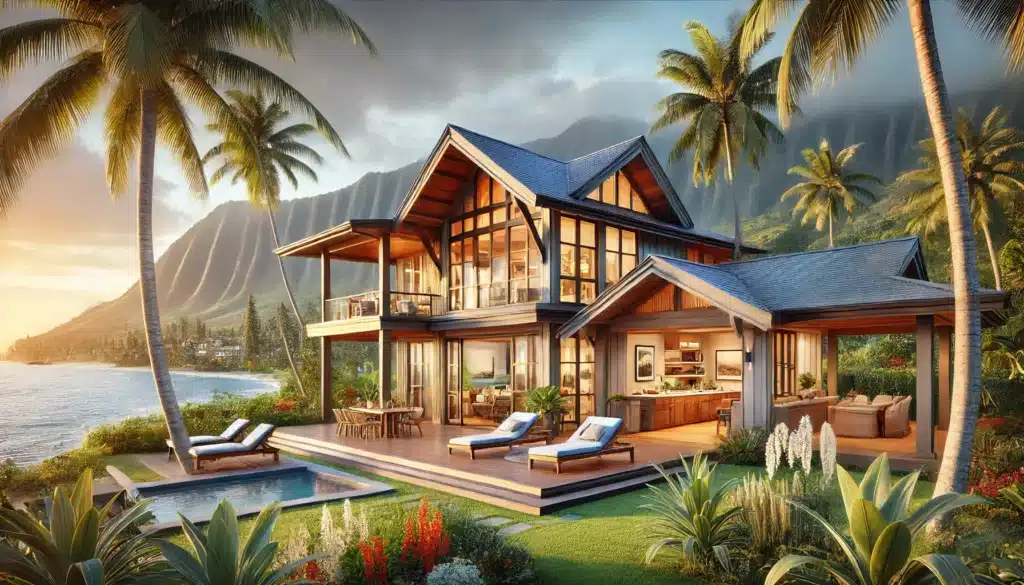
Hawaii Home and Remodeling in Hawaii: What Homeowners Need to Know
Planning a renovation in Hawaii requires careful consideration of climate, permitting, and long-term durability. Homeowners exploring Hawaii home and remodeling projects often seek clear guidance on costs, timelines, materials, and contractor expectations before committing to major structural or design decisions that affect daily island living.
This guide explains essential factors shaping successful Hawaii home and remodeling outcomes, from design planning through construction completion. It outlines practical options, cost influences, and professional processes so you can move forward with confidence and clarity while protecting your investment and property value long-term stability.
Understanding Hawaii Home and Remodeling for Hawaii Homes

Hawaii home and remodeling projects involve updating, expanding, or reconfiguring residential spaces to improve function, durability, and value while meeting island-specific building standards, climate demands, and permitting regulations that directly affect homeowners statewide.
Climate-Responsive Construction Planning
Hawaii home and remodeling projects must address humidity, salt air exposure, heavy rains, and intense UV conditions. Material selection, ventilation planning, and moisture barriers play critical roles in preventing premature deterioration, mold development, and corrosion in coastal and windward communities.
Structural and Seismic Considerations
Because Hawaii sits in a seismic zone, Hawaii home and remodeling work often requires structural evaluation before major alterations. Load-bearing walls, foundation reinforcement, and proper framing adjustments ensure additions and interior reconfigurations maintain safety and meet evolving building codes.
Permits and Local Regulations
Hawaii home and remodeling projects typically require county-specific permits, inspections, and compliance with zoning restrictions. Regulations may vary between Oahu, Maui, Kauai, and Hawaii Island, making early planning and documentation essential for avoiding costly project delays.
When Remodeling Makes Strategic Sense
Homeowners pursue Hawaii home and remodeling when layouts feel outdated, families grow, maintenance costs rise, or property value optimization becomes a priority. Strategic upgrades can improve energy efficiency, expand usable space, and modernize aesthetics without requiring complete reconstruction.
Key Benefits of Hawaii Home and Remodeling for Homeowners
Investing in thoughtful remodeling can significantly improve comfort, efficiency, and resale potential. When projects are carefully planned around Hawaii’s environmental conditions and lifestyle needs, homeowners gain both immediate enjoyment and long-term financial advantages.
- Improved indoor-outdoor flow for island living
- Increased property value in competitive housing markets
- Enhanced energy efficiency through updated windows, insulation, and systems
- Better use of limited square footage
- Modernized kitchens and bathrooms for functionality
- Reduced maintenance with durable, climate-resistant materials
- Multigenerational living flexibility through additions or reconfigurations
- Stronger structural integrity and code compliance
Well-executed remodeling not only transforms how a home looks but also improves how it performs in Hawaii’s demanding coastal and tropical environment.
Popular Hawaii Home and Remodeling Options in Hawaii

Homeowners across the islands prioritize upgrades that balance practicality with lifestyle-driven enhancements. Below are common remodeling directions that reflect both functional needs and aspirational design goals.
Kitchen Reconfigurations for Open Living
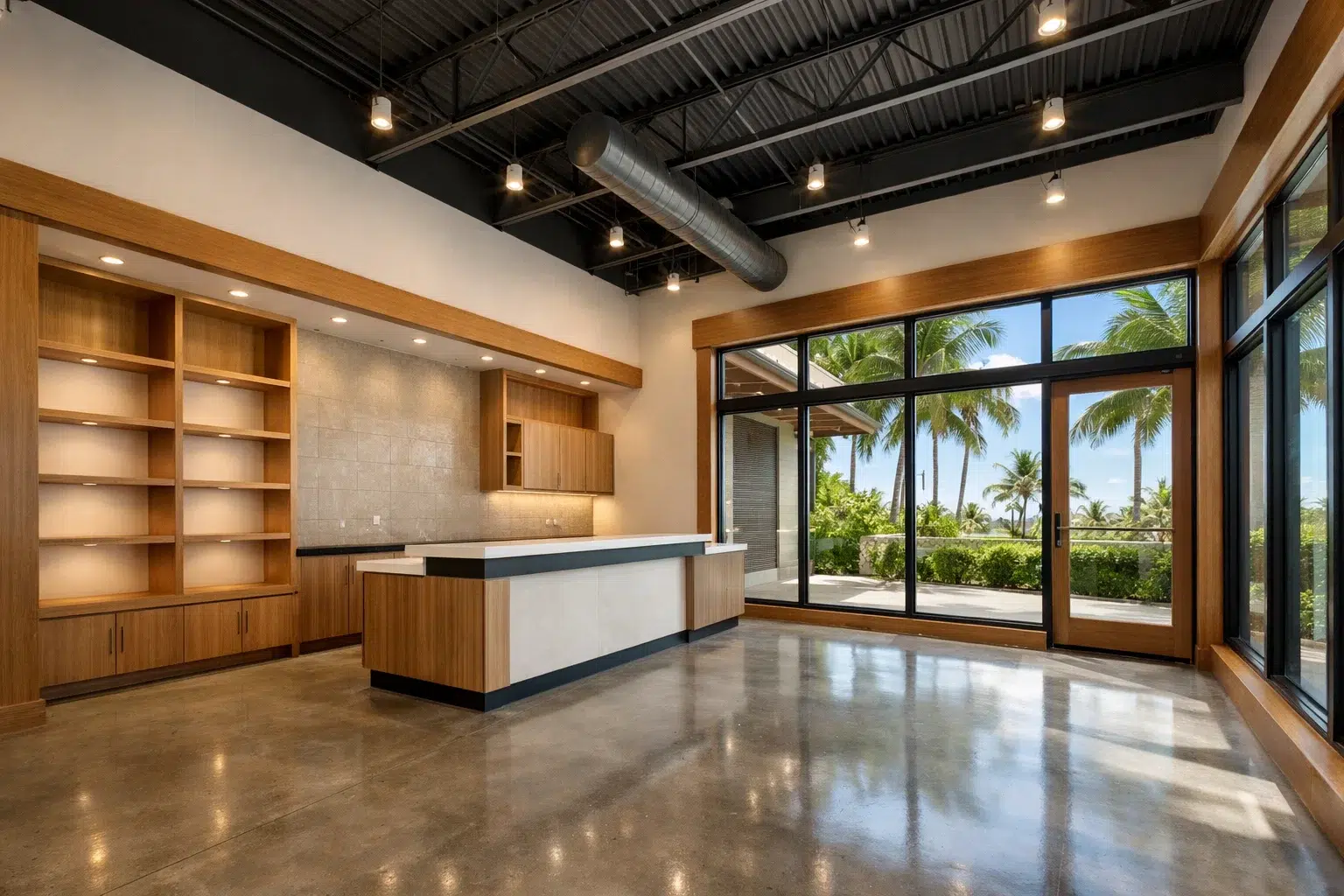
Many Hawaii homeowners remove partition walls to create open-concept kitchens that connect seamlessly with dining areas and lanais. This remodeling approach enhances natural airflow, supports entertaining, and maximizes limited square footage in older plantation-style homes.
Bathroom Upgrades for Comfort and Accessibility
Bathroom remodeling frequently includes walk-in showers, slip-resistant tile, improved ventilation systems, and upgraded lighting. These improvements enhance safety, accommodate aging-in-place plans, and prevent moisture-related damage common in Hawaii’s humid climate conditions.
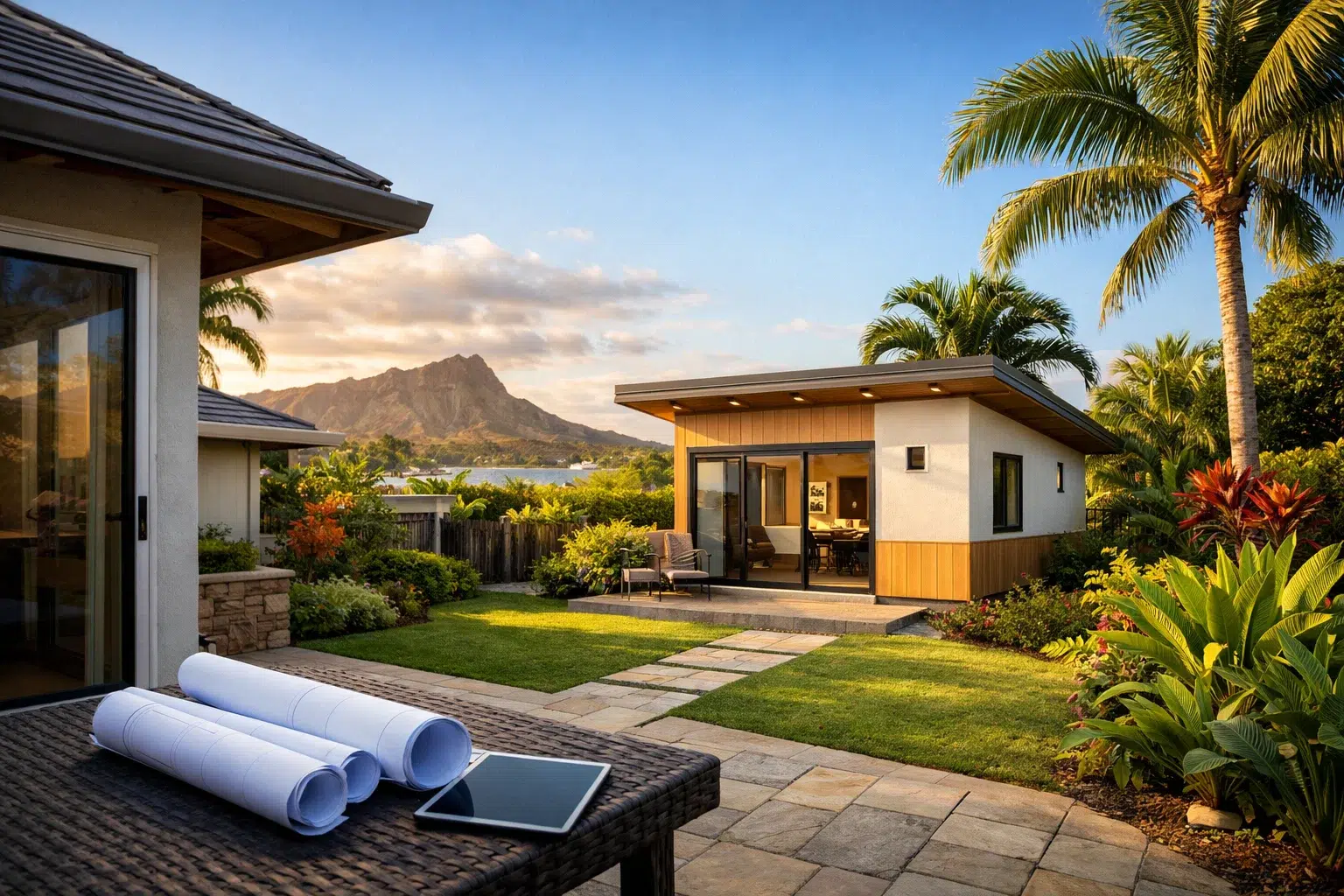
Home Additions and Ohana Spaces
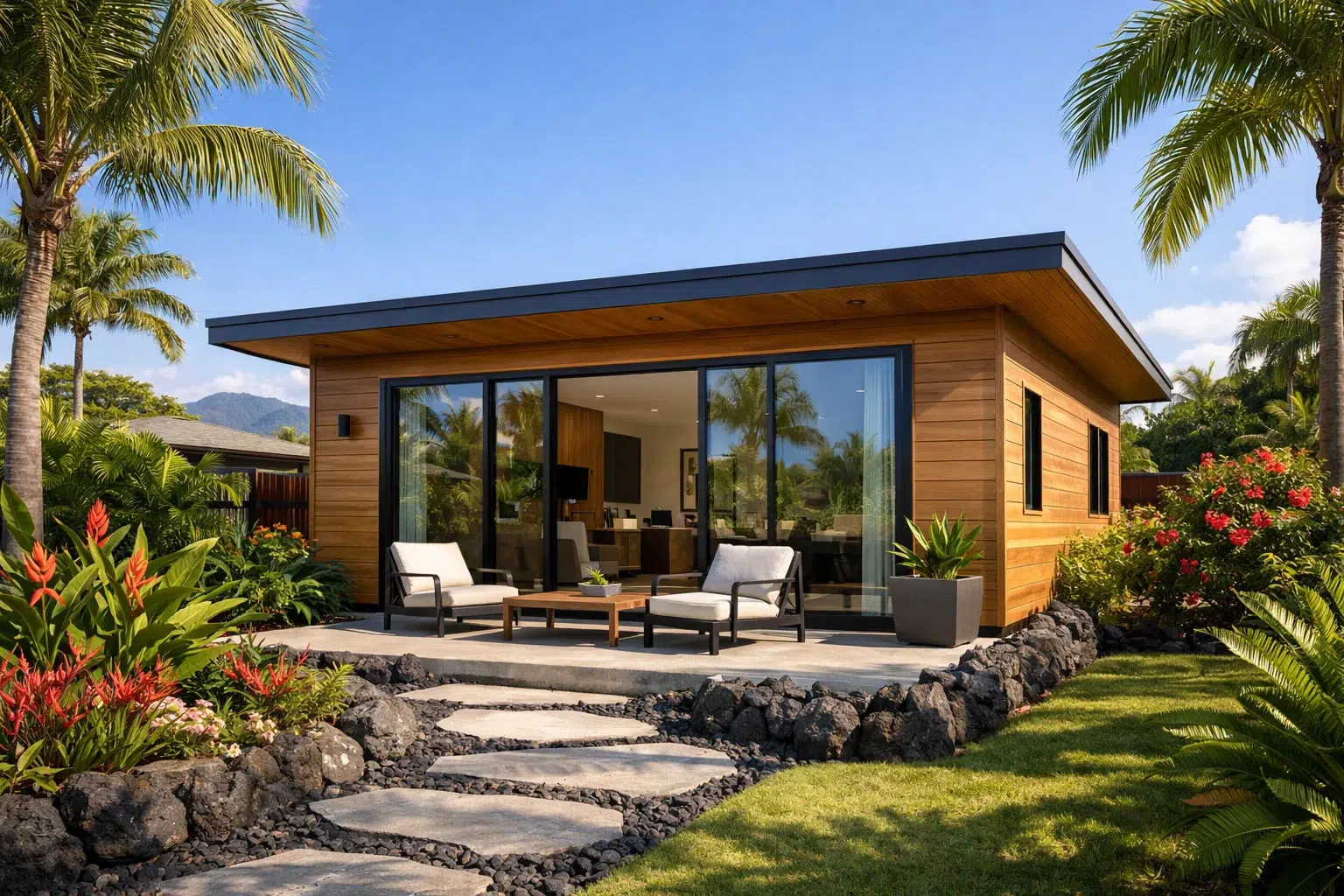
Expanding living areas through additions or attached accessory spaces allows families to support multigenerational living. Thoughtful planning ensures structural stability, privacy considerations, and compliance with local zoning rules across Hawaii neighborhoods.
Exterior Improvements and Outdoor Living
Deck expansions, covered lanais, and impact-resistant window upgrades are popular Hawaii remodeling choices. These enhancements increase usable outdoor space while protecting interiors from heavy rainfall, trade winds, and sun exposure throughout the year.
Cost Factors to Consider Before Starting Your Project
Before beginning any remodeling project, homeowners should understand the variables that influence overall investment. While exact costs vary by island, scope, and material selection, the following factors commonly shape project budgets.
| Cost Factor | What It Includes | Why It Matters |
|---|---|---|
|
Project Scope |
Size, layout changes, structural modifications |
Larger or more complex projects require more labor and engineering |
|
Materials |
Flooring, cabinetry, windows, roofing, finishes |
Durable, climate-resistant materials may cost more initially |
|
Permits & Fees |
County approvals, inspections, documentation |
Required for legal compliance and resale protection |
|
Labor |
Skilled trades, supervision, specialty contractors |
Experienced professionals ensure quality and safety |
|
Timeline |
Project duration and scheduling |
Longer timelines may increase labor and logistical costs |
In Hawaii, shipping logistics and material availability can also influence pricing. Early planning, clear documentation, and working with experienced contractors help minimize unexpected adjustments during construction.
Why Professional Contractors Matter in Hawaii
Successful remodeling requires more than design inspiration; it demands technical expertise, local regulatory knowledge, and disciplined project coordination. Hawaii’s unique environmental and permitting landscape makes professional oversight especially important.
- Deep understanding of Hawaii climate and coastal exposure challenges
- Familiarity with county permit requirements and inspection processes
- Proper licensing, insurance, and liability protection
- Skilled craftsmanship suited to island construction standards
- Long-term durability strategies tailored to salt air and humidity
- Coordinated scheduling of subcontractors and specialty trades
- Clear communication and transparent project documentation
Professional contractors reduce risk, improve efficiency, and ensure remodeling investments deliver lasting value in Hawaii’s demanding conditions.
Hawaii Home and Remodeling: 6 Ultimate Design Methods

1. Climate-Resilient Material Selection
Selecting materials engineered for salt air, humidity, and intense sunlight ensures longevity in Hawaii homes. Fiber cement siding, corrosion-resistant fasteners, treated lumber, and high-performance sealants reduce maintenance demands and extend structural integrity in coastal environments.
2. Indoor-Outdoor Living Integration
Designing large sliding doors, covered lanais, and aligned sightlines enhances natural ventilation and maximizes scenic views. This approach supports Hawaii’s lifestyle while improving airflow, reducing reliance on mechanical cooling, and increasing overall enjoyment of usable living space.
3. Energy-Efficient System Upgrades
Modern insulation, energy-efficient windows, LED lighting, and high-efficiency HVAC systems reduce utility expenses. Solar-ready electrical planning further supports long-term sustainability goals while aligning with Hawaii’s commitment to renewable energy development.
4. Flexible Multigenerational Layouts
Designing adaptable floor plans accommodates extended family living arrangements common across Hawaii communities. Separate entrances, private bathrooms, and shared gathering spaces balance independence and connection while maintaining structural compliance and zoning adherence.
5. Structural Reinforcement and Code Compliance
Upgrading foundations, framing connections, and roofing systems ensures safety within seismic and high-wind zones. Professional engineering assessments support remodeling plans that meet current building codes while strengthening overall property resilience.
6. Moisture Management and Ventilation Planning
Strategic ventilation systems, vapor barriers, and proper drainage design prevent mold growth and material degradation. Effective moisture control protects indoor air quality while reducing long-term maintenance concerns in humid island climates.
Why Homeowners Trust United Construction Group Hawaii
United Construction Group Hawaii brings years of hands-on experience delivering remodeling solutions tailored to island conditions. Our team prioritizes structural integrity, transparent communication, and disciplined project management to help homeowners confidently navigate Hawaii home and remodeling decisions.
We approach every project with craftsmanship, accountability, and respect for your investment. From planning through completion, our commitment to quality construction standards and clear expectations ensures homeowners feel informed, supported, and satisfied with lasting results.
Testimonials
“Brandon and the United Construction crew are very professional and they know what they are doing!” – Alvaro Guarana Jr.
“Brandon and his team are fantastic! Their response time is always quick, and the quality of their work is consistently excellent. Both myself and my clients have been very happy with the results. Highly recommend them for their professionalism and reliability. Thank you!” – Miki Kojima
“You would be hard pressed to find a more honest, reliable, and fair priced company to work with than UCG! Consider yourself lucky if you have the opportunity to work with Brandon and his company!” – Jesse Alverio
How It Works: Our Step-by-Step Process
Step-1: Initial Consultation and Property Review
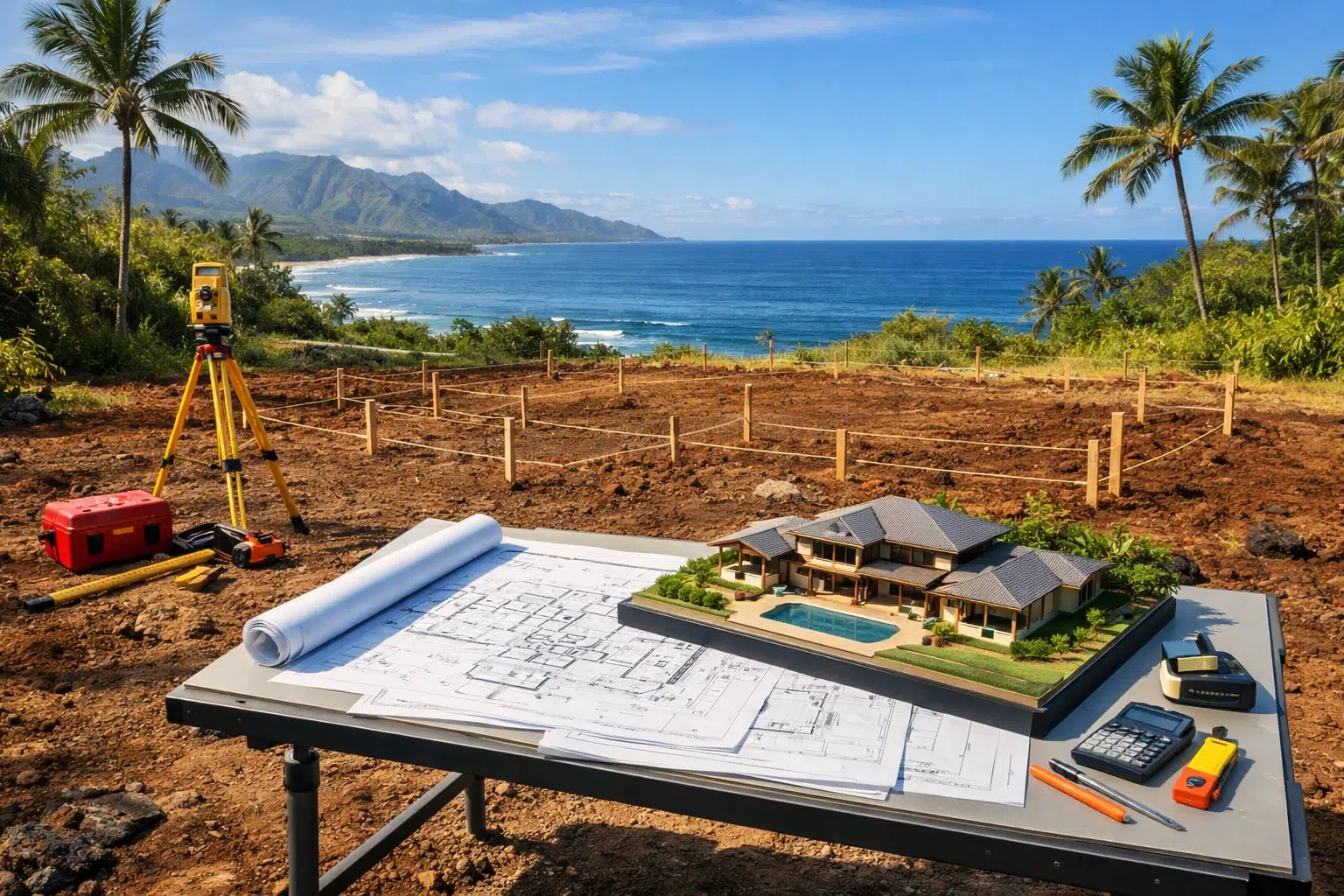
We begin with a detailed discussion of your goals, property conditions, and budget considerations. Site evaluations allow us to identify structural factors, permitting requirements, and potential design opportunities specific to your Hawaii home.
Step-2: Design Planning and Scope Definition
Our team develops a clear project scope outlining layout changes, material recommendations, and structural requirements. Transparent documentation ensures expectations are aligned before moving into permitting and scheduling phases.
Step-3: Permitting and Pre-Construction Preparation
We coordinate required permits, submit documentation, and schedule inspections according to county regulations. Pre-construction planning includes material ordering, subcontractor coordination, and timeline confirmation to maintain organized execution.
Step-4: Construction and Quality Oversight
During construction, experienced supervisors monitor workmanship, safety compliance, and schedule progress. Regular updates keep homeowners informed while ensuring that remodeling work meets professional standards and approved plans.
Step-5: Final Walkthrough and Project Completion
Upon completion, we conduct a comprehensive walkthrough to confirm satisfaction and address final details. Documentation and inspection approvals are finalized, providing homeowners with confidence in their newly improved living space.
Frequently Asked Questions
How long does a typical remodeling project take in Hawaii?
Do I need permits for Hawaii home and remodeling projects?
How can I control remodeling costs?
Can I live in my home during remodeling?
What adds the most value in Hawaii remodeling projects?
Start Your Hawaii Home and Remodeling Project with Local Experts
If you’re planning a Hawaii home and remodeling project, our team is ready to provide clear guidance tailored to your property and goals. Schedule a consultation to explore practical solutions designed for island living and built for long-term durability and value.