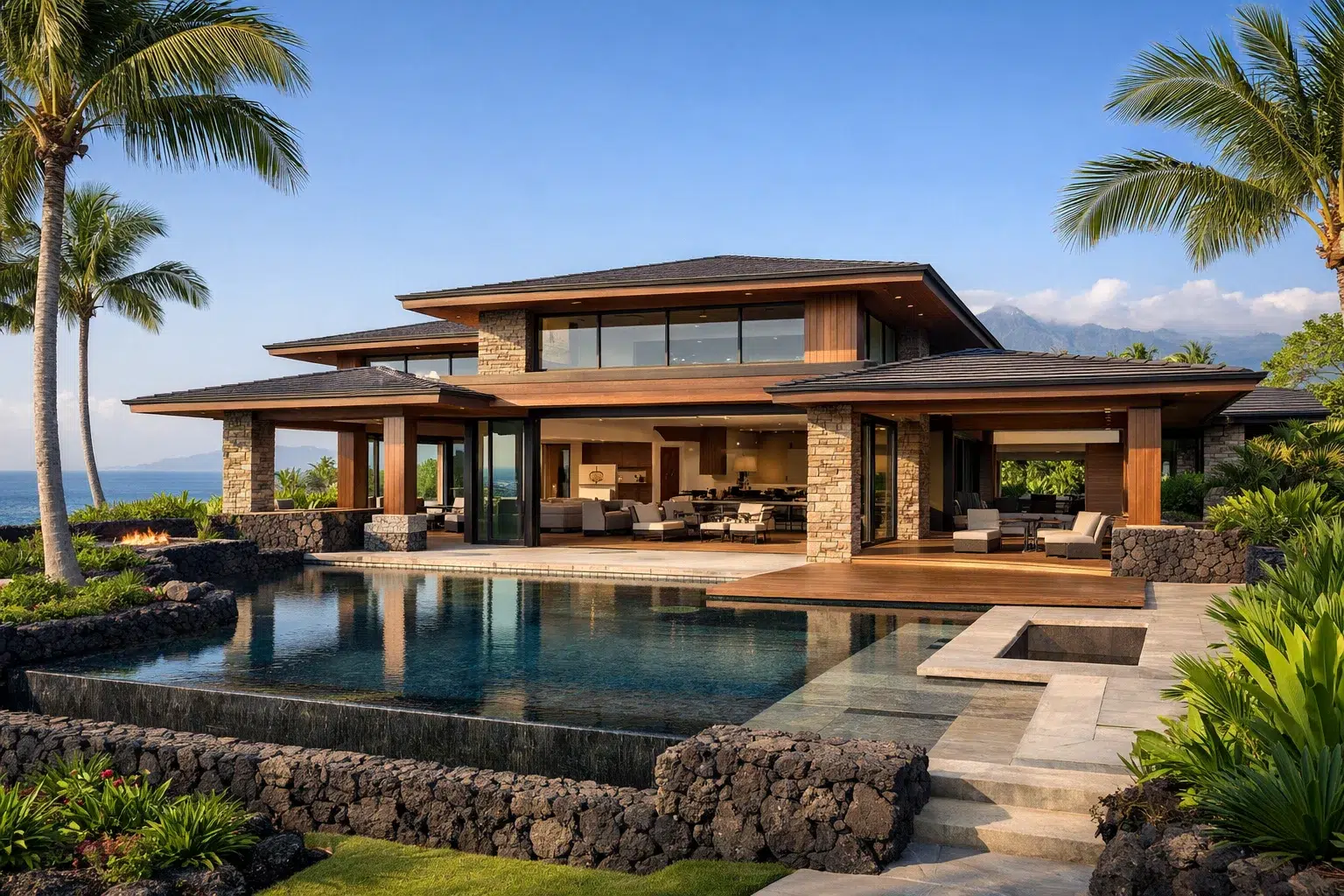
Commercial Restoration Services in Hawaii: What Property Owners Need to Know
Commercial properties in Hawaii face unique risks, from hurricanes and salt air corrosion to unexpected plumbing failures and fire damage. Understanding restoration options helps business owners act quickly, protect investments, and minimize downtime when emergencies disrupt daily operations across the islands.
This guide explains commercial restoration services in Hawaii, including processes, cost considerations, timelines, and professional requirements. Whether you manage retail space, hospitality properties, offices, or mixed-use buildings, informed decisions ensure faster recovery and long-term structural resilience in Hawaii’s demanding climate.
Understanding Commercial Restoration Services for Hawaii Businesses

Commercial restoration services involve emergency response, damage mitigation, structural repair, and full property recovery following water, fire, storm, mold, or structural events affecting commercial buildings throughout Hawaii’s diverse island environments.
Water Damage Restoration in Commercial Spaces
Commercial restoration services frequently address water damage from burst pipes, roof failures, heavy rains, or flooding. In Hawaii’s humid climate, rapid extraction, dehumidification, and moisture mapping are essential to prevent mold growth, protect structural framing, and minimize costly operational downtime for businesses.
Fire and Smoke Damage Recovery
After a fire event, commercial restoration services include debris removal, soot cleanup, odor neutralization, air filtration, and structural reconstruction. Hawaii businesses must also address corrosion from smoke residue, which can quickly deteriorate metal fixtures and sensitive equipment in coastal environments.
Storm and Hurricane Response
Hurricane-force winds and tropical storms can damage roofing, windows, exterior cladding, and signage. Commercial restoration services help stabilize structures, tarp roofs, board openings, and restore weatherproofing systems while ensuring compliance with Hawaii’s strict building codes and wind-resistance requirements.
Mold Remediation and Environmental Safety
High humidity levels make mold a common concern across Hawaii’s commercial properties. Commercial restoration services include containment, air scrubbing, safe removal of contaminated materials, and preventative moisture control strategies to protect employees, tenants, and customers from potential health risks.
Key Benefits of Commercial Restoration Services
For commercial property owners, timely restoration reduces business interruption, preserves asset value, and ensures tenant confidence. Professional commercial restoration services focus on immediate stabilization, accurate damage assessment, and structured rebuilding strategies tailored to Hawaii’s environmental and regulatory conditions.
- Rapid emergency response to reduce downtime and revenue loss
- Professional moisture detection and structural drying techniques
- Code-compliant reconstruction aligned with Hawaii regulations
- Documentation support for insurance claims and adjuster coordination
- Prevention of secondary damage, such as mold or corrosion
- Long-term durability planning for island climate conditions
- Protection of tenant relationships and brand reputation
Popular Restoration Solutions in Hawaii Commercial Properties

Commercial restoration projects vary depending on building type, severity of damage, and operational requirements. Below are common restoration approaches used in Hawaii’s retail centers, office buildings, hospitality spaces, and industrial facilities.
Structural Drying and Dehumidification Systems
Advanced drying equipment, including industrial dehumidifiers and air movers, removes hidden moisture from walls, flooring, and substructures. In Hawaii’s tropical climate, aggressive moisture control prevents mold colonization and protects framing, insulation, and electrical systems from progressive deterioration.
Selective Demolition and Targeted Reconstruction
Rather than full tear-outs, restoration teams often perform selective demolition to preserve undamaged sections. This approach reduces costs and downtime while allowing precise rebuilding that matches original structural specifications and current Hawaii building standards.
Roof and Envelope Restoration
Commercial roofs and building envelopes often suffer storm damage or long-term salt exposure. Restoration may involve membrane repair, flashing replacement, waterproof coatings, and improved drainage systems to prevent future leaks and wind-related failures.
Interior Finish and Systems Restoration
Beyond structural repairs, restoration includes drywall replacement, flooring installation, painting, ceiling systems, and mechanical system checks. Coordinated scheduling ensures businesses can reopen quickly while maintaining safety, cleanliness, and professional presentation standards.
Cost Factors to Consider Before Starting Your Project
Restoration costs vary depending on damage severity, building size, material selection, and compliance requirements. In Hawaii, logistics, material transport, labor demand, and permitting processes can influence overall project scope and timeline.
| Cost Factor | What It Includes | Why It Matters |
|---|---|---|
Scope of Damage | Structural, mechanical, cosmetic repairs | Larger damage areas increase labor and materials |
Materials | Roofing, drywall, flooring, specialty finishes | Island shipping and durability impact pricing |
Permits | County approvals and inspections | Required for structural or system modifications |
Labor | Skilled trades, emergency crews | High-demand periods may affect availability |
Timeline | Phased restoration or fast-track rebuilds | Accelerated schedules can increase coordination costs |
Accurate assessments and detailed scopes of work help prevent unexpected expenses. Professional documentation also supports smoother insurance coordination and realistic budgeting without overpromising timelines or outcomes.
Why Professional Contractors Matter in Hawaii
Commercial restoration projects in Hawaii demand more than standard construction knowledge. Contractors must understand island climate challenges, supply chain logistics, emergency mitigation techniques, and strict local code requirements to deliver safe, compliant, and durable commercial restoration services.
- Deep understanding of Hawaii building codes and permitting procedures
- Experience navigating insurance documentation and adjuster communication
- Safety protocols for hazardous materials and structural instability
- Climate-conscious material selection to resist humidity and salt air
- Coordination of multiple trades to reduce operational downtime
- Long-term durability planning that protects commercial investments
Commercial Restoration Services: 6 Smart and Proven Methods

1. Immediate Emergency Stabilization
Rapid stabilization prevents further damage after water, fire, or storm events. This includes temporary roof tarping, water extraction, board-ups, and electrical safety measures to secure the building while detailed inspections and restoration planning begin.
2. Comprehensive Damage Assessment
Detailed inspections using moisture meters, thermal imaging, and structural evaluations ensure hidden damage is identified. Accurate assessments reduce the risk of incomplete repairs and provide reliable documentation for budgeting and insurance coordination.
3. Moisture Control and Environmental Remediation
Professional drying strategies, containment barriers, and air filtration systems protect indoor air quality and prevent mold spread. Controlled remediation safeguards occupants while ensuring affected materials are removed or restored according to safety standards.
4. Structural Repair and Code Compliance
Reconstruction must meet Hawaii’s wind, seismic, and moisture-resistance standards. Licensed contractors ensure framing, roofing, electrical, and plumbing systems comply with county regulations before final inspections and approvals.
5. Coordinated Insurance Documentation
Clear documentation, photographs, and scope reports simplify communication with insurance providers. Organized records help streamline claim reviews and reduce delays that could extend business interruption periods.
6. Long-Term Prevention Planning
Effective restoration includes preventative upgrades such as improved drainage, waterproof coatings, upgraded ventilation, and resilient materials. Planning beyond immediate repairs strengthens commercial properties against future Hawaii weather events.
Why Property Owners Trust United Construction Group Hawaii
United Construction Group Hawaii brings extensive experience managing complex commercial restoration projects across the islands. Our team prioritizes safety, transparency, and clear communication while delivering high-quality workmanship that aligns with Hawaii building standards and long-term durability expectations.
From emergency response to final inspections, we focus on detailed planning and accountable project management. Business owners trust our reliability, structured processes, and commitment to protecting commercial properties while minimizing operational disruption.
Testimonials
“Brandon and the United Construction crew are very professional and they know what they are doing!” – Alvaro Guarana Jr.
“Brandon and his team are fantastic! Their response time is always quick, and the quality of their work is consistently excellent. Both myself and my clients have been very happy with the results. Highly recommend them for their professionalism and reliability. Thank you!” – Miki Kojima
“You would be hard pressed to find a more honest, reliable, and fair priced company to work with than UCG! Consider yourself lucky if you have the opportunity to work with Brandon and his company!” – Jesse Alverio
How It Works: Our Step-by-Step Process
Step-1: Emergency Response and Site Evaluation
Our team responds quickly to assess safety risks, secure the property, and document visible damage. Immediate stabilization measures are implemented to prevent additional deterioration while preparing a comprehensive restoration plan.
Step-2: Detailed Scope Development
We conduct thorough inspections, identify hidden damage, and prepare a structured scope of work. This phase includes coordination with property managers, insurance representatives, and relevant county agencies when required.
Step-3: Mitigation and Controlled Demolition
Water extraction, debris removal, containment setup, and selective demolition begin. These steps ensure hazardous materials and compromised building components are safely removed before reconstruction proceeds.
Step-4: Reconstruction and Systems Restoration
Licensed trades complete structural repairs, roofing, electrical, plumbing, and interior finishes. Work is scheduled strategically to minimize business interruption and maintain organized, safe job sites.
Step-5: Final Inspection and Prevention Planning
Before project completion, we conduct quality checks and coordinate required inspections. We also recommend preventative improvements to enhance durability and reduce risk from future Hawaii weather events.
Frequently Asked Questions
How quickly should commercial restoration services begin after damage occurs?
How long does a commercial restoration project typically take?
Are permits required for commercial restoration in Hawaii?
Will insurance cover commercial restoration services?
Can businesses remain operational during restoration?
Protect Your Hawaii Commercial Property with Expert Guidance
If your commercial property has experienced water, fire, or storm damage, informed action makes a measurable difference. Contact United Construction Group Hawaii to schedule a professional evaluation and discuss practical restoration strategies tailored to your building’s specific needs and Hawaii conditions.