Residential Restoration Services in Hawaii: What Homeowners Need to Know
Hawaii homeowners face unique risks from tropical storms, humidity, salt air, and aging infrastructure that can quickly damage residential properties. Understanding restoration options is essential for protecting your investment and restoring comfort after unexpected events across the islands from Oahu to the Big Island statewide.
This guide explains residential restoration services in Hawaii, outlines common causes of damage, and clarifies what homeowners should expect during emergency response and rebuilding so you can make informed decisions and move forward confidently with trusted local professionals when challenges arise unexpectedly at any time.
Understanding Residential Restoration Services in Hawaii for Hawaii Homes
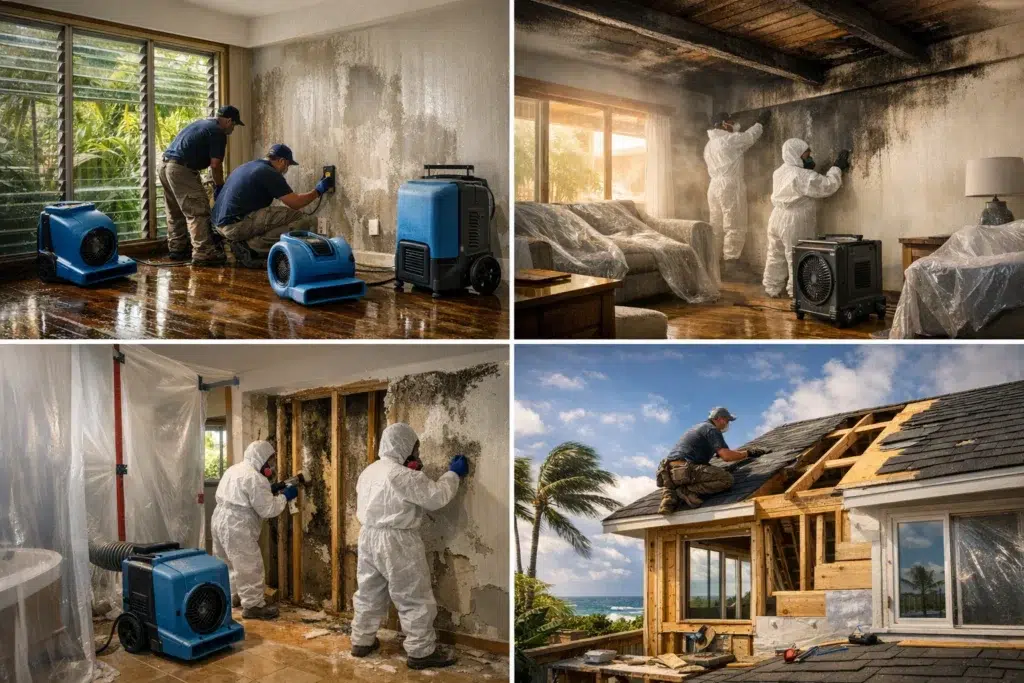
Residential restoration services in Hawaii refer to professional assessment, mitigation, repair, and rebuilding solutions that address property damage caused by water intrusion, fire, mold, storms, and structural deterioration in island homes exposed to unique environmental stressors.
Water Damage and Moisture Intrusion
Residential restoration services in Hawaii frequently address water damage caused by heavy rains, plumbing failures, roof leaks, and flooding. Rapid moisture removal, dehumidification, and structural drying are critical in tropical climates where high humidity accelerates mold growth and compromises framing, flooring, and insulation materials.
Fire and Smoke Restoration
Residential restoration services in Hawaii also include fire and smoke damage cleanup. Beyond visible charring, smoke residues and corrosive soot can impact walls, ceilings, HVAC systems, and personal belongings. Professional deodorization and structural repair help restore safety, air quality, and long-term durability.
Mold Remediation and Air Quality
Due to year-round humidity, residential restoration services in Hawaii often involve mold remediation. Specialists identify moisture sources, contain affected areas, remove contaminated materials, and apply antimicrobial treatments. Addressing ventilation and waterproofing improvements prevents recurring growth and supports healthier indoor environments for island families.
Storm and Structural Repairs
Severe weather, coastal winds, and falling debris regularly require residential restoration services in Hawaii. Contractors evaluate structural integrity, repair roofing systems, reinforce framing, and replace damaged siding or windows. Timely intervention prevents further deterioration and protects homes from future island climate exposure.
Key Benefits of Residential Restoration Services in Hawaii for Homeowners
When unexpected property damage occurs, professional restoration provides more than cosmetic repairs. It restores structural integrity, protects long-term property value, and reduces health risks associated with moisture and contaminants. Experienced contractors guide homeowners through complex recovery processes with clarity and accountability.
- Rapid emergency response to minimize secondary damage
- Professional moisture detection and structural drying
- Safe debris removal and hazardous material handling
- Code-compliant rebuilding aligned with Hawaii regulations
- Assistance in coordinating documentation for insurance claims
- Long-term durability solutions suited for island climates
Popular Restoration and Repair Options in Hawaii
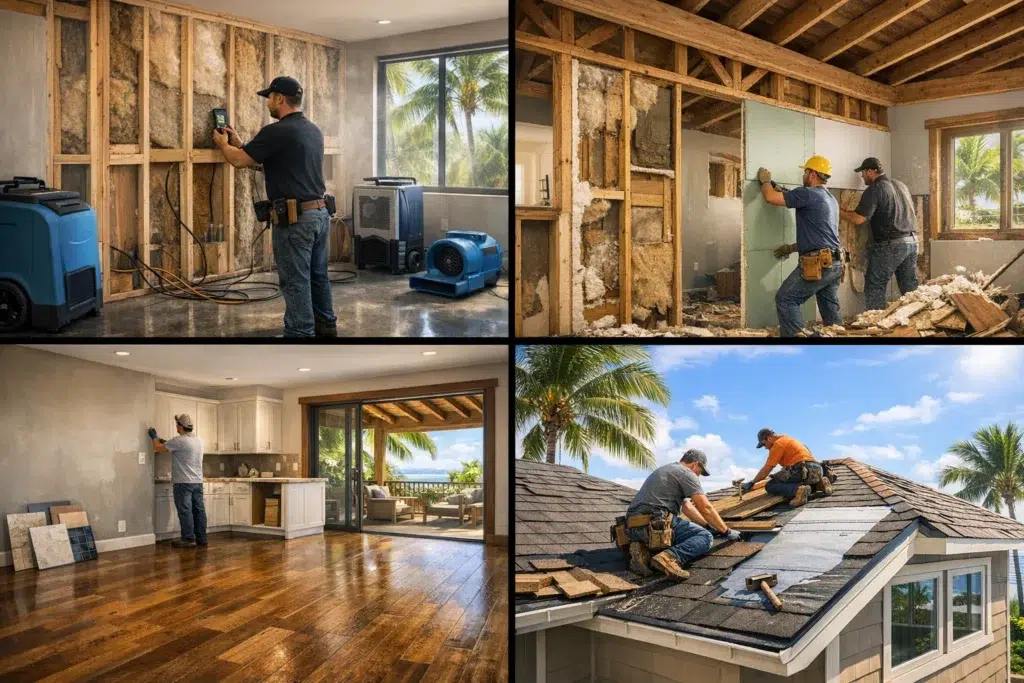
Homeowners across the islands choose restoration solutions based on the extent of damage, budget considerations, and long-term improvement goals. The following options reflect practical and upgraded approaches commonly implemented in Hawaii homes.
Structural Drying and Dehumidification
Advanced drying systems remove hidden moisture from subfloors, framing, and wall cavities. In Hawaii’s humid climate, thorough drying prevents mold development and protects structural lumber. Moisture monitoring tools ensure materials reach safe levels before reconstruction begins, reducing the likelihood of recurring issues.
Selective Demolition and Rebuild
Instead of full reconstruction, targeted demolition removes only compromised materials. This practical approach preserves unaffected structural components while allowing upgrades to insulation, drywall, and finishes. Many Hawaii homeowners choose moisture-resistant materials during rebuilding to enhance resilience against future weather exposure.
Interior Finish Restoration
After mitigation, restoration may include drywall replacement, interior painting, cabinetry repair, and flooring installation. Luxury options such as upgraded tile, engineered hardwood, or custom trim can be integrated during rebuilding, balancing necessary repairs with aesthetic improvements.
Roofing and Exterior Envelope Repairs
Storm-related damage often affects roofing systems, siding, and windows. Restoration may involve shingle replacement, flashing repairs, or complete roofing upgrades. Reinforcing the exterior envelope improves energy efficiency and enhances protection against wind-driven rain common throughout Hawaii’s coastal communities.
Cost Factors to Consider Before Starting Your Project
Restoration costs vary depending on damage severity, property size, material choices, and permitting requirements. While every project differs, understanding the primary cost drivers helps homeowners prepare realistic budgets and avoid unexpected delays during reconstruction.
| Cost Factor | What Influences It |
|---|---|
Scope of Damage | Extent of structural, electrical, or finish repairs required |
Materials | Standard replacements versus upgraded, moisture-resistant options |
Permits | County-specific approvals and inspections |
Labor | Skilled trade availability and project complexity |
Timeline | Emergency response speed and reconstruction duration |
Island logistics, material availability, and contractor scheduling can also impact overall investment. A detailed assessment ensures transparency and helps homeowners prioritize essential repairs while planning optional upgrades responsibly.
Why Professional Contractors Matter in Hawaii
Restoration in Hawaii requires specialized knowledge of island weather patterns, building codes, and material performance. Professional contractors understand how salt air, humidity, and heavy rainfall affect structures, ensuring repairs are not only compliant but also built to withstand long-term environmental exposure.
- Local expertise in Hawaii construction methods and environmental conditions
- Proper permitting and compliance with county building departments
- Safety protocols that protect occupants and workers
- Durable material selection suited for island climates
- Long-term workmanship that preserves property value
Residential Restoration Services in Hawaii: 8 Amazing Tips
1. Act Quickly After Damage Occurs
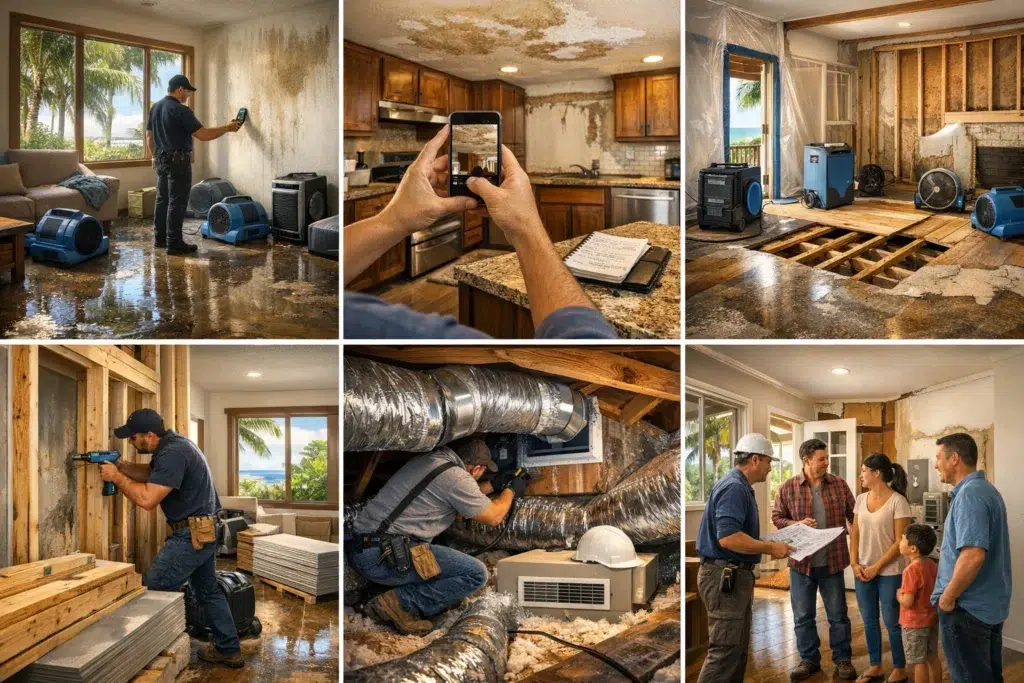
Immediate action reduces secondary damage and lowers overall restoration costs. Contact professionals quickly to assess moisture levels, secure exposed areas, and prevent mold growth. Prompt response is especially important in Hawaii’s humid climate, where deterioration accelerates rapidly.
2. Document Damage Thoroughly
Take clear photographs and detailed notes before cleanup begins. Accurate documentation supports insurance claims and provides a clear baseline for restoration planning. Organized records help streamline communication between homeowners, adjusters, and contractors.
3. Prioritize Moisture Control
Controlling moisture is critical in tropical environments. Ensure water extraction, drying equipment, and ventilation systems are properly deployed. Addressing hidden moisture behind walls or beneath flooring prevents recurring structural and air quality issues.
4. Understand Permit Requirements
Many structural repairs require county permits and inspections. Working with experienced professionals ensures compliance with Hawaii building regulations, preventing costly rework and protecting your home’s legal standing during resale or refinancing.
5. Choose Durable Materials
Select materials designed for humidity and coastal exposure. Moisture-resistant drywall, treated lumber, and corrosion-resistant fasteners enhance longevity and reduce maintenance concerns in island homes.
6. Improve Ventilation Systems
Upgrading ventilation during restoration improves indoor air quality and reduces condensation buildup. Proper airflow supports mold prevention and enhances overall home comfort throughout Hawaii’s warm climate.
7. Plan for Temporary Living Arrangements
Extensive restoration may require temporary relocation. Discuss realistic timelines with your contractor and coordinate housing plans early to minimize disruption for your household.
8. Schedule Post-Restoration Inspections
After completion, conduct final inspections to confirm all systems function properly. Verifying structural integrity, electrical safety, and moisture levels ensures lasting performance and homeowner peace of mind.
Why Homeowners Trust United Construction Group Hawaii
United Construction Group Hawaii brings years of hands-on island experience to every restoration project. Our team prioritizes clear communication, detailed assessments, and durable solutions designed specifically for Hawaii’s demanding climate conditions.
Homeowners value our transparent estimates, dependable timelines, and commitment to quality craftsmanship. From emergency mitigation to complete reconstruction, we focus on restoring safety, comfort, and long-term structural integrity with professionalism and accountability.
Testimonials
“Brandon and the United Construction crew are very professional and they know what they are doing!” – Alvaro Guarana Jr.
“Brandon and his team are fantastic! Their response time is always quick, and the quality of their work is consistently excellent. Both myself and my clients have been very happy with the results. Highly recommend them for their professionalism and reliability. Thank you!” – Miki Kojima
“You would be hard pressed to find a more honest, reliable, and fair priced company to work with than UCG! Consider yourself lucky if you have the opportunity to work with Brandon and his company!” –Jesse Alverio
How It Works: Our Step-by-Step Process
Step-1: Initial Assessment and Inspection
We conduct a detailed on-site evaluation to identify visible and hidden damage. Moisture readings, structural inspections, and safety checks provide a clear understanding of required mitigation and reconstruction steps before work begins.
Step-2: Emergency Mitigation
Our team stabilizes the property by removing standing water, securing exposed areas, and preventing further deterioration. Rapid response minimizes additional structural damage and reduces health risks associated with mold and contaminants.
Step-3: Detailed Restoration Plan
We develop a transparent restoration plan outlining scope, materials, timeline, and permitting requirements. Clear communication ensures homeowners understand each phase before reconstruction begins.
Step-4: Reconstruction and Repairs
Skilled trades complete structural repairs, interior finishes, and system restorations according to Hawaii building standards. Quality control inspections verify workmanship throughout each stage.
Step-5: Final Walkthrough and Completion
A comprehensive walkthrough confirms all repairs meet expectations and safety standards. We address remaining questions and ensure homeowners feel confident returning to a fully restored living space.
Frequently Asked Questions
How quickly should restoration begin after water damage?
Will my insurance cover residential restoration services?
How long does a typical restoration project take?
Do I need permits for restoration work in Hawaii?
Can I live in my home during restoration?
Schedule Your Residential Restoration Consultation in Hawaii Today
If your home has experienced unexpected damage, taking prompt action can protect both your residential property and your peace of mind. Contact United Construction Group Hawaii to schedule a professional assessment and receive clear guidance tailored to your specific restoration needs.