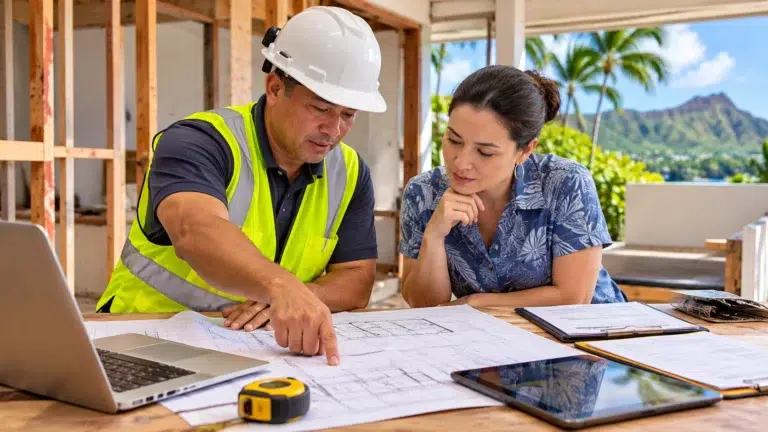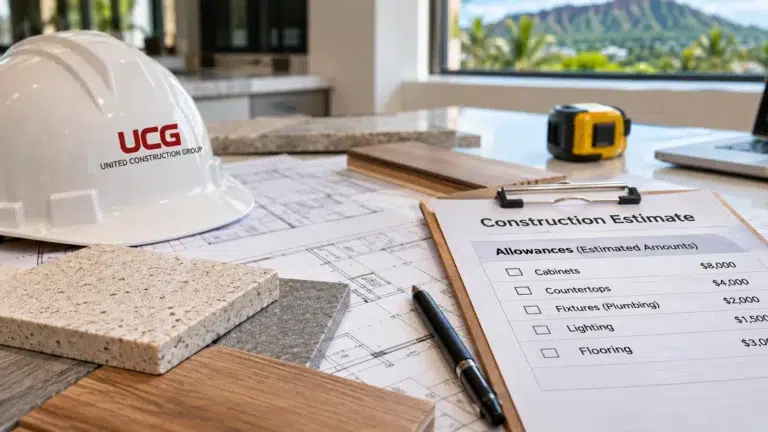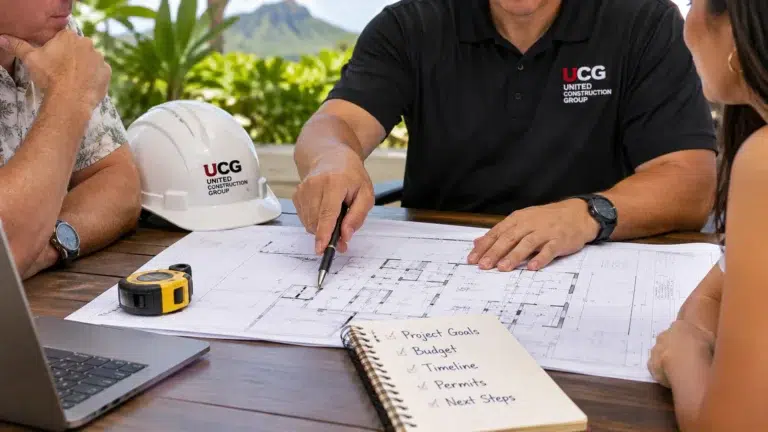
A construction site assessment in Hawaii is an important step before starting a residential renovation, commercial build-out, or property improvement project. It helps property owners identify visible building concerns, evaluate construction access, and understand potential challenges before committing to detailed project plans.
Hawaii’s coastal environments, seasonal rainfall, existing building conditions, and site-specific restrictions can influence construction decisions. Identifying these factors early can help reduce avoidable delays, improve budget planning, and clarify project requirements.
At United Construction Group, we understand the importance of evaluating existing conditions before construction begins.
This guide explains 7 critical checks to consider during a construction site assessment in Hawaii, including building conditions, drainage, utilities, accessibility, material requirements, permits, and project planning.
1. Construction Site Assessment in Hawaii: Existing Building Conditions
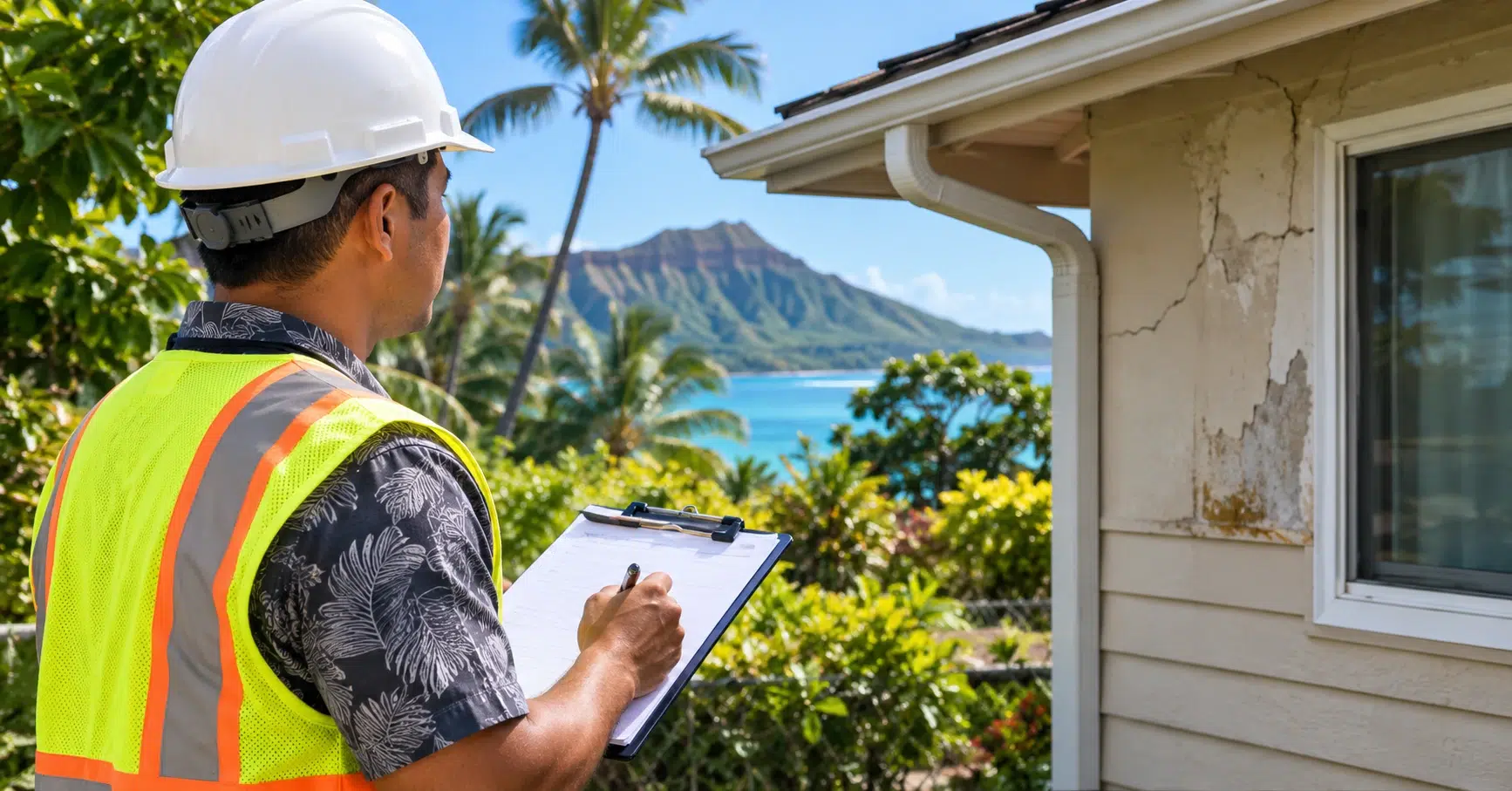
The first step in a construction site assessment in Hawaii is reviewing the visible condition of the building and surrounding work areas.
Existing structures may have deterioration, previous repairs, or damage that could affect the proposed construction work.
During an assessment, important observations may include:
- Cracks in walls, floors, and exposed concrete.
- Water stains and visible moisture damage.
- Corrosion on accessible metal components.
- Damaged roofing or exterior surfaces.
- Uneven flooring or visibly deteriorated framing.
- Previous modifications that may require further review.
These observations help identify areas that need additional investigation.
However, visible damage does not automatically establish the underlying cause or severity of a problem.
A visual assessment cannot confirm conditions hidden behind walls, beneath flooring, or underground. Qualified professionals may need to conduct additional investigations before construction proceeds.
Why it matters: Understanding existing building conditions helps property owners identify potential risks and determine whether further professional evaluation is necessary.
2. Evaluate Drainage and Moisture Problems
Drainage and moisture conditions are important considerations during a construction site assessment in Hawaii.
Depending on the property’s location, heavy rainfall, surface drainage, and existing waterproofing conditions may influence renovation and construction plans.
Property owners should discuss any known history of water intrusion, standing water, or recurring leaks.
Important areas to review include:
- Gutters and downspouts.
- Surface drainage around the building.
- Visible water stains.
- Exterior wall penetrations.
- Accessible roofing and waterproofing details.
- Areas where water has previously entered the property.
Photographs taken during rainfall may provide useful information about drainage problems that are not visible during the site visit.
An assessment should distinguish observed conditions from issues requiring additional testing or specialist evaluation.
Why it matters: Identifying potential moisture problems early can help determine whether corrective work should be considered before installing new finishes or making structural changes.
3. Review Construction Access and Delivery Restrictions
A construction site assessment in Hawaii should evaluate how workers, equipment, and construction materials can safely access the project area.
Access restrictions may affect delivery arrangements, labor requirements, project scheduling, and temporary site protection.
Important considerations include:
- Driveway access and loading areas.
- Narrow entrances and hallways.
- Stairways and elevator availability.
- Worker parking arrangements.
- Material storage locations.
- Construction waste removal routes.
- Property management restrictions.
- Permitted construction working hours.
For occupied residential properties or operating commercial spaces, maintaining safe access to essential areas may require additional planning.
Some construction materials and equipment may also need special delivery arrangements.
Why it matters: Reviewing access limitations before construction begins helps the project team plan logistics and identify potential scheduling constraints.
4. Inspect Existing Utilities and Building Systems
Existing plumbing, electrical, ventilation, and mechanical systems can influence the feasibility and scope of proposed improvements.
During a construction site assessment in Hawaii, property owners should identify the systems serving the affected areas and provide available building plans or previous renovation records.
Projects that may require further system evaluation include:
- Kitchen renovations involving additional appliances.
- Bathroom remodels requiring plumbing relocation.
- Commercial renovations with modified electrical requirements.
- Interior improvements involving ventilation changes.
- Building alterations affecting existing utility connections.
A visual inspection may identify visible concerns, but it cannot confirm the condition or capacity of every concealed system.
Qualified trade professionals may need to evaluate existing installations before final specifications or construction pricing are established.
Property owners should also discuss possible utility interruptions during construction.
Why it matters: Understanding existing building systems helps clarify project requirements and identify work that may require additional technical evaluation.
5. Consider Coastal Exposure and Construction Materials
A construction site assessment in Hawaii should consider environmental conditions relevant to the property’s specific location.
Properties exposed to salt air, moisture, intense sunlight, or frequent rainfall may require careful material selection and maintenance planning.
However, exposure conditions vary significantly between locations. Not every property experiences the same environmental challenges.
Important material considerations include:
- Suitability for the intended environment.
- Corrosion resistance where applicable.
- Moisture performance.
- Manufacturer installation requirements.
- Maintenance expectations.
- Availability and delivery arrangements.
- Appropriate on-site storage conditions.
Material selection should reflect the building’s intended use, design requirements, and applicable professional recommendations.
Property owners should ask how proposed products are expected to perform under the conditions identified during the assessment.
Why it matters: Evaluating environmental exposure helps support informed material decisions and long-term maintenance planning.
6. Identify Permit Requirements and Property Restrictions
Permitting and property restrictions should be discussed during a construction site assessment in Hawaii.
The approvals required for a project depend on the type of construction, property location, and proposed modifications.
Potential considerations include:
- Applicable building permit requirements.
- Existing permit records.
- Property boundaries and relevant restrictions.
- Building management requirements.
- Construction access limitations.
- Applicable inspections.
- Additional design or engineering documentation.
For projects on Oahu, property owners can consult the Honolulu Department of Planning and Permitting for official information.
Properties on other Hawaiian islands should consult their respective county permitting authorities.
An initial site visit does not establish that proposed construction work has received regulatory approval.
Additional documentation, professional evaluations, or agency reviews may be necessary.
Why it matters: Identifying approval questions early helps property owners understand which requirements must be resolved before construction begins.
7. Define Project Scope, Budget, and Next Steps
The final stage of a construction site assessment in Hawaii should help establish a clearer direction for the proposed project.
Before committing to detailed pricing or scheduling, property owners should understand what the assessment includes and which findings require further investigation.
Depending on the agreed service scope, useful deliverables may include:
- A written summary of visible site conditions.
- Photographs and relevant measurements.
- Identified construction access limitations.
- Observations about existing building systems.
- Questions requiring specialist investigation.
- Preliminary project scope considerations.
- Outstanding pricing assumptions.
- Recommended next steps.
Property owners should distinguish confirmed observations from unknown or concealed conditions.
For example, visible moisture damage may indicate a need for further evaluation before the full repair scope and associated costs can be established.
Similarly, changes to plumbing or electrical systems may require additional trade assessments before final pricing.
Why it matters: Clear documentation supports more informed discussions about project scope, budget expectations, and construction readiness.
How to Prepare for a Construction Site Assessment in Hawaii
Preparing for a construction site assessment in Hawaii can help make the initial discussion more productive.
Before the appointment, gather available information about your property and proposed improvements.
Prepare Your Property Documents
Collect available building plans, previous renovation records, photographs, and relevant permit documentation.
These records may help the project team understand existing conditions and previous modifications.
Identify Your Construction Priorities
Explain what you want to improve and how the finished space should function.
Distinguish essential project requirements from optional improvements.
Discuss Your Budget and Timeline
Share your anticipated budget and preferred construction schedule.
These details help establish expectations, although final costs and timelines depend on the agreed scope and unresolved project conditions.
Provide Access to Relevant Areas
Arrange access to the areas affected by the proposed work whenever practical.
Inform the project team about known building restrictions, parking limitations, and property management requirements.
Confirm Assessment Deliverables
Ask what the assessment includes, whether specialist services are part of the agreed scope, and when you can expect the findings.
Clear expectations help prevent misunderstandings about what the assessment can establish.
Frequently Asked Questions About Construction Site Assessment in Hawaii
What is a construction site assessment in Hawaii?
A construction site assessment in Hawaii is an evaluation of existing property conditions and project-related constraints before proposed construction work. Depending on its scope, it may include visible building conditions, access limitations, utility questions, drainage concerns, and preliminary project requirements.
Why is a construction site assessment important?
An assessment helps identify visible concerns, clarify project assumptions, and determine whether additional investigation is necessary before detailed design, pricing, or scheduling.
Can a construction site assessment identify hidden structural problems?
Not necessarily. A visual assessment cannot reveal every concealed structural condition. Suspected structural issues may require further evaluation by a qualified structural engineer.
Should I schedule an assessment before requesting a construction estimate?
An assessment can be useful before requesting detailed pricing, particularly for renovation projects involving existing buildings. It helps identify uncertainties that could influence the proposed scope and estimate.
Does a construction site assessment include permit approval?
No. A site assessment does not automatically include permit applications or approvals. Confirm which permitting services are included in your agreement and consult the relevant county authority for applicable requirements.
Can construction costs change after an assessment?
Yes. Previously concealed conditions, changes to the project scope, material selections, and additional requirements can affect construction costs. Any proposed changes should be documented and approved according to the project agreement.
Plan Your Project With United Construction Group
A construction site assessment in Hawaii can provide valuable information before beginning a renovation, commercial build-out, or property improvement project.
Understanding existing conditions, construction access, building systems, environmental exposure, and approval requirements can help property owners make better-informed decisions.
United Construction Group provides residential and commercial construction services in Hawaii, helping property owners plan and execute construction projects.
Explore our construction services or contact United Construction Group to discuss your proposed project and the next steps.