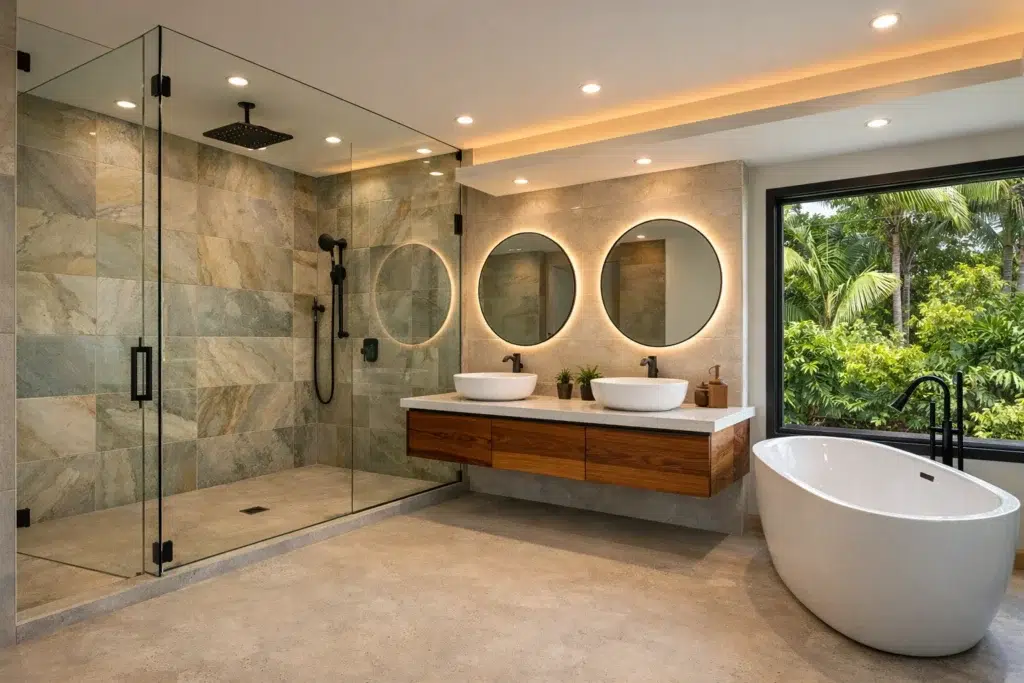
Bathroom Renovation in Hawaii: What Homeowners Need to Know
Bathroom renovation projects in Hawaii require thoughtful planning, island-specific expertise, and durable materials suited for tropical conditions. Homeowners often seek guidance on costs, timelines, permits, and design options before starting improvements that enhance comfort, efficiency, and long-term property value in competitive island markets statewide today.
This guide explains what to expect during a renovation, how Hawaii’s climate and regulations influence construction decisions, and how to choose finishes that withstand humidity and salt air. Understanding these factors helps homeowners make confident, informed decisions while avoiding costly delays and surprises throughout the process.
Understanding Bathroom Renovation for Hawaii Homes

Bathroom renovation involves upgrading fixtures, layouts, plumbing, and finishes to improve functionality, efficiency, and aesthetics. In Hawaii, bathroom renovation projects must account for moisture control, ventilation, permitting requirements, and materials capable of handling constant humidity and coastal exposure.
Climate-Resilient Bathroom Renovation Planning
A successful bathroom renovation in Hawaii starts with climate awareness. High humidity, salt air, and temperature fluctuations demand mold-resistant drywall, corrosion-resistant fixtures, and proper ventilation systems. Without these considerations, even beautiful upgrades can deteriorate prematurely in island environments.
When to Consider a Bathroom Renovation
Homeowners typically pursue bathroom renovation when fixtures age, layouts feel inefficient, water damage appears, or resale value becomes a priority. In Hawaii’s competitive housing market, updated bathrooms significantly influence property desirability and can enhance both daily comfort and long-term investment performance.
Permits and Island Regulations
Certain bathroom renovation projects require permits, particularly when relocating plumbing, altering structural elements, or upgrading electrical systems. Hawaii counties enforce building codes designed to protect safety and durability. Working within these regulations ensures inspections pass smoothly and prevents costly compliance issues later.
Functionality and Space Optimization
Many Hawaii homes, especially older properties, feature compact bathrooms. A well-planned bathroom renovation can reconfigure layouts, improve storage, and increase usable space. Smart design solutions such as recessed shelving and floating vanities maximize function without expanding square footage.
Key Benefits of Bathroom Renovation for Homeowners
A professionally managed renovation enhances more than visual appeal. In Hawaii, updated bathrooms improve energy efficiency, moisture control, and overall property value while creating a more comfortable daily living environment tailored to island conditions and modern lifestyle needs.
- Improved water efficiency through updated plumbing fixtures
- Enhanced ventilation to reduce mold and mildew risks
- Increased home resale value in competitive island markets
- Better lighting and electrical safety upgrades
- Modernized layouts that improve usability
- Durable materials suited for tropical environments
- Reduced long-term maintenance costs
- Greater comfort and aesthetic appeal
Popular Bathroom Renovation Options in Hawaii

Hawaii homeowners balance practicality with design when planning upgrades. Below are popular renovation approaches that align with island living priorities.
Walk-In Showers with Frameless Glass
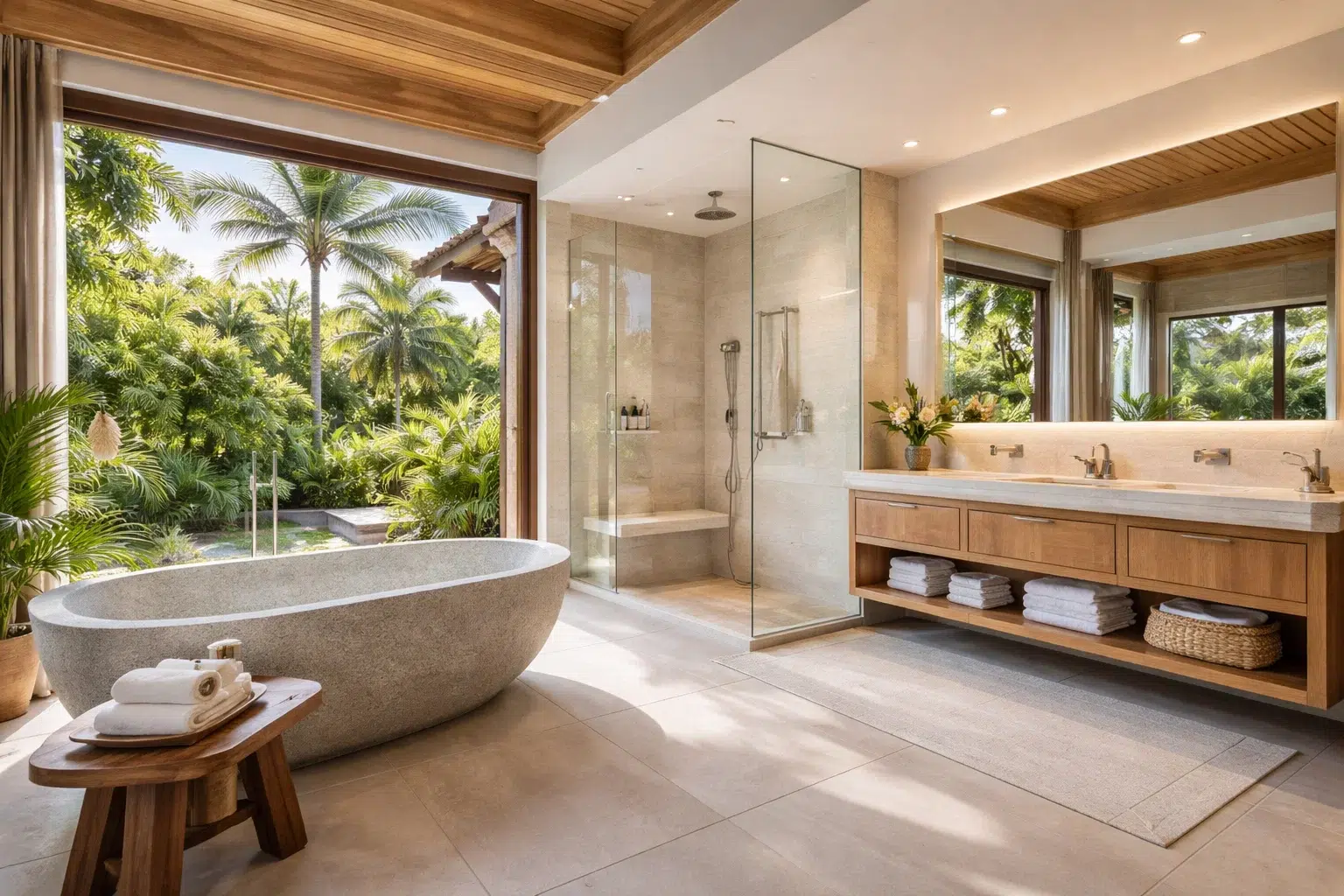
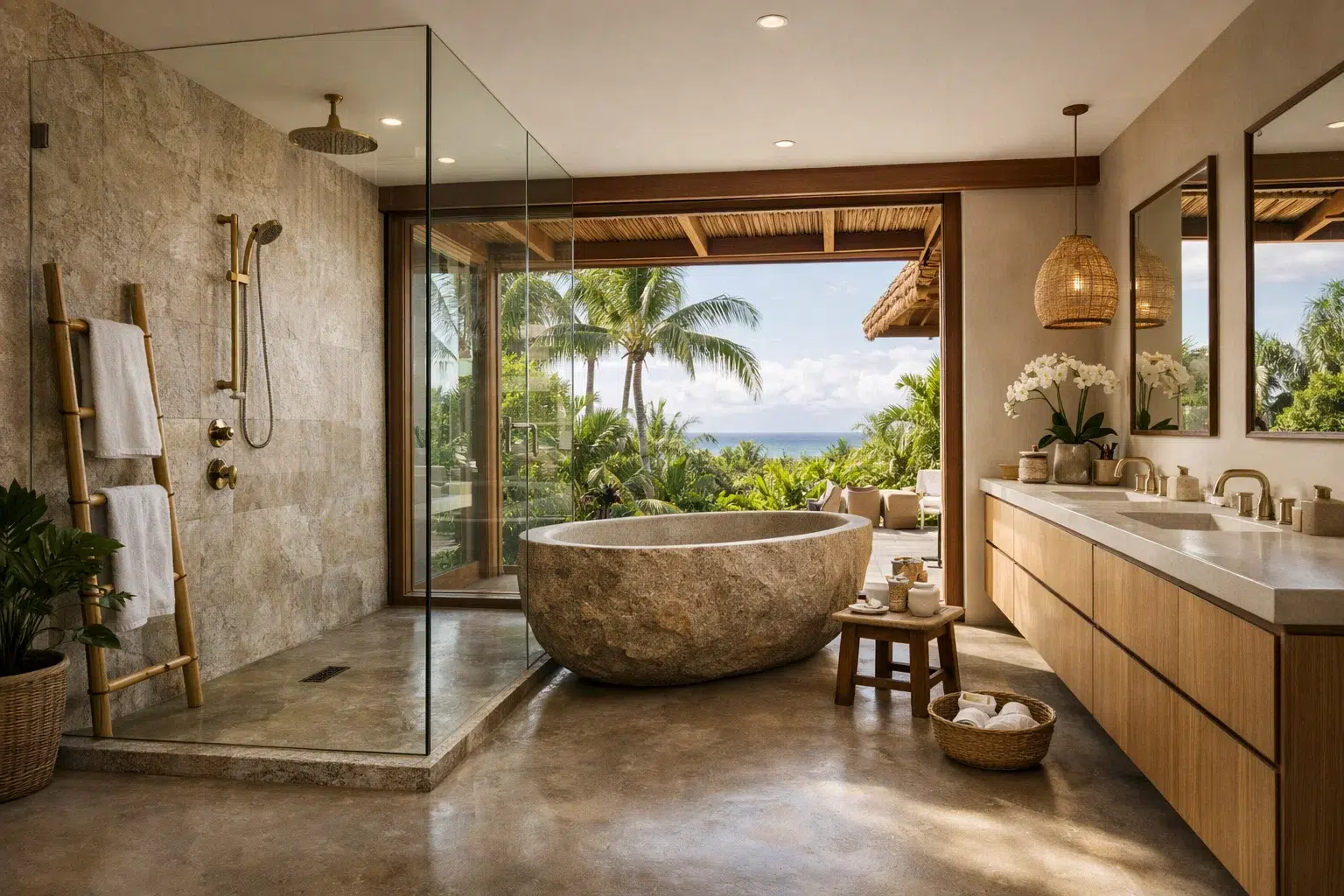
Walk-in showers are a leading bathroom renovation choice in Hawaii homes. Frameless glass panels create openness, while large-format tiles minimize grout lines and maintenance. Proper slope design and waterproofing systems are essential to prevent moisture intrusion and long-term structural concerns.
Spa-Inspired Island Retreats
Many homeowners incorporate natural stone textures, teak accents, and rainfall showerheads during bathroom renovation projects. Spa-inspired designs reflect Hawaii’s relaxed lifestyle while integrating moisture-resistant materials. Strategic lighting enhances ambiance without compromising functionality or energy efficiency.
Space-Saving Modern Upgrades
Compact bathrooms benefit from floating vanities, wall-mounted toilets, and recessed medicine cabinets. This bathroom renovation approach improves circulation and visual space while maintaining durability. Clean lines and neutral palettes complement island architecture and increase long-term design appeal.
Aging-in-Place Modifications
A bathroom renovation can include curbless showers, grab bar reinforcement, and wider entry access for long-term accessibility. These features enhance safety without sacrificing style, ensuring homeowners remain comfortable and secure as mobility needs evolve over time.
Cost Factors to Consider Before Starting Your Project
Bathroom renovation costs in Hawaii vary depending on project complexity, material selection, and permitting requirements. Island logistics and labor availability also influence overall investment expectations.
| Cost Factor | What to Consider |
|---|---|
|
Scope of Work |
Cosmetic updates vs. full plumbing and layout changes |
|
Materials |
Tile, cabinetry, fixtures, and moisture-resistant components |
|
Permits |
Required for plumbing, electrical, or structural adjustments |
|
Labor |
Skilled trade availability and project coordination |
|
Timeline |
Project duration, inspections, and material lead times |
Understanding these variables allows homeowners to budget responsibly. While exact costs depend on project specifics, careful planning, transparent proposals, and professional oversight help minimize unexpected expenses and delays.
Why Professional Contractors Matter in Hawaii
Choosing experienced professionals for a bathroom renovation in Hawaii ensures compliance with local codes, climate-appropriate construction methods, and quality craftsmanship that withstands island conditions over time.
- Knowledge of Hawaii-specific building codes and permitting processes
- Expertise in moisture control and mold prevention systems
- Proper licensing, insurance, and liability protection
- Skilled coordination of plumbing, electrical, and tile trades
- Material recommendations suited for tropical durability
- Long-term structural integrity and workmanship reliability
Bathroom Renovation: 8 Ultimate Expert Tips

1. Plan Layout Before Selecting Finishes
Successful projects begin with space planning. Prioritize plumbing locations, storage needs, and traffic flow before choosing tiles or fixtures. A well-designed layout prevents costly adjustments later and ensures your bathroom renovation supports daily functionality and long-term usability.
2. Invest in Proper Waterproofing Systems
High humidity demands advanced waterproofing membranes and properly sealed joints. Skipping this step during a bathroom renovation can lead to hidden moisture damage. Professional installation protects subfloors and framing from deterioration over time.
3. Choose Corrosion-Resistant Fixtures
Salt air affects hardware longevity. Selecting stainless steel, brass, or coated fixtures during your bathroom renovation helps prevent rust and staining. Durable materials maintain appearance and performance in Hawaii’s coastal environments.
4. Upgrade Ventilation for Moisture Control
Effective exhaust fans reduce condensation and mold risks. Incorporating high-quality ventilation systems during bathroom renovation projects improves indoor air quality and protects finishes from premature damage caused by constant humidity.
5. Optimize Lighting for Function and Comfort
Layered lighting enhances both practicality and ambiance. Combining task lighting at mirrors with soft overhead illumination ensures your bathroom renovation delivers visibility, safety, and relaxation within the same thoughtfully designed space.
6. Prioritize Water Efficiency
Modern low-flow toilets and faucets conserve water without sacrificing performance. Integrating efficiency upgrades into your bathroom renovation reduces utility expenses and aligns with Hawaii’s sustainability priorities.
7. Select Slip-Resistant Flooring
Safety remains essential, particularly in humid climates. Textured porcelain or matte-finish tiles improve traction. A bathroom renovation should balance aesthetic appeal with practical slip resistance for everyday use.
8. Work with Licensed Local Professionals
Hiring experienced Hawaii contractors ensures code compliance, quality craftsmanship, and reliable scheduling. A professionally managed bathroom renovation minimizes risk while maximizing long-term durability and property value.
Why Homeowners Trust United Construction Group Hawaii
United Construction Group Hawaii brings years of island construction experience, combining technical precision with clear communication. Our team understands local permitting, material performance in tropical climates, and the importance of delivering projects on schedule with transparent expectations.
Homeowners value our commitment to craftsmanship, accountability, and respectful project management. We focus on durable results, honest timelines, and consistent updates, ensuring every bathroom renovation reflects quality workmanship and dependable service tailored to Hawaii living.
Testimonials
“Brandon and the United Construction crew are very professional and they know what they are doing!” – Alvaro Guarana Jr.
“Brandon and his team are fantastic! Their response time is always quick, and the quality of their work is consistently excellent. Both myself and my clients have been very happy with the results. Highly recommend them for their professionalism and reliability. Thank you!” – Miki Kojima
“You would be hard pressed to find a more honest, reliable, and fair priced company to work with than UCG! Consider yourself lucky if you have the opportunity to work with Brandon and his company!” – Jesse Alverio
How It Works: Our Step-by-Step Process
Step-1: Initial Consultation
We begin with an on-site consultation to understand goals, evaluate existing conditions, and discuss design preferences. This step establishes project scope, identifies potential challenges, and clarifies expectations before detailed planning begins.
Step-2: Design and Planning
Our team develops layout recommendations, material selections, and a project roadmap. We review timelines, permitting requirements, and construction phases to ensure alignment before moving forward.
Step-3: Permits and Preparation
When required, we coordinate permit applications and inspections. Site preparation includes protecting surrounding areas and organizing materials to ensure efficient workflow once construction begins.
Step-4: Construction and Installation
Licensed professionals complete demolition, plumbing, electrical, tile, and fixture installations according to approved plans. We maintain communication throughout to keep homeowners informed of progress.
Step-5: Final Walkthrough and Completion
After inspections and finishing details, we conduct a walkthrough to confirm quality and satisfaction. Any final adjustments are addressed promptly to ensure the renovation meets expectations.
Frequently Asked Questions
How long does a bathroom renovation typically take in Hawaii?
Do I need permits for my bathroom renovation?
How much should I budget for a renovation?
Can I live in my home during construction?
What materials work best in Hawaii’s climate?
Start Your Bathroom Renovation with Trusted Hawaii Experts
If you’re planning a bathroom renovation in Hawaii, thoughtful preparation and experienced guidance make all the difference. Contact United Construction Group Hawaii to schedule a consultation and explore practical, climate-ready solutions tailored to your home, lifestyle, and long-term property goals.