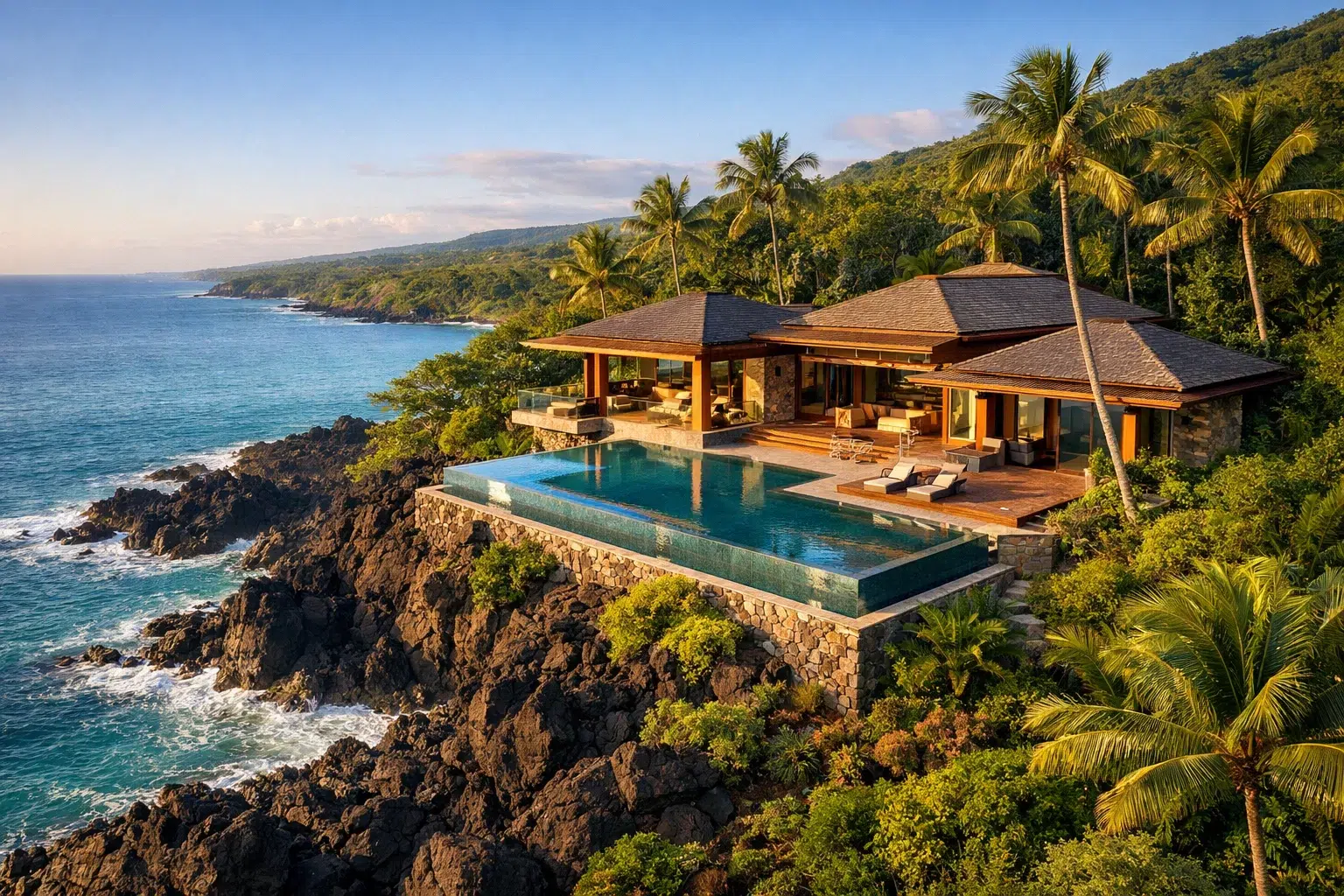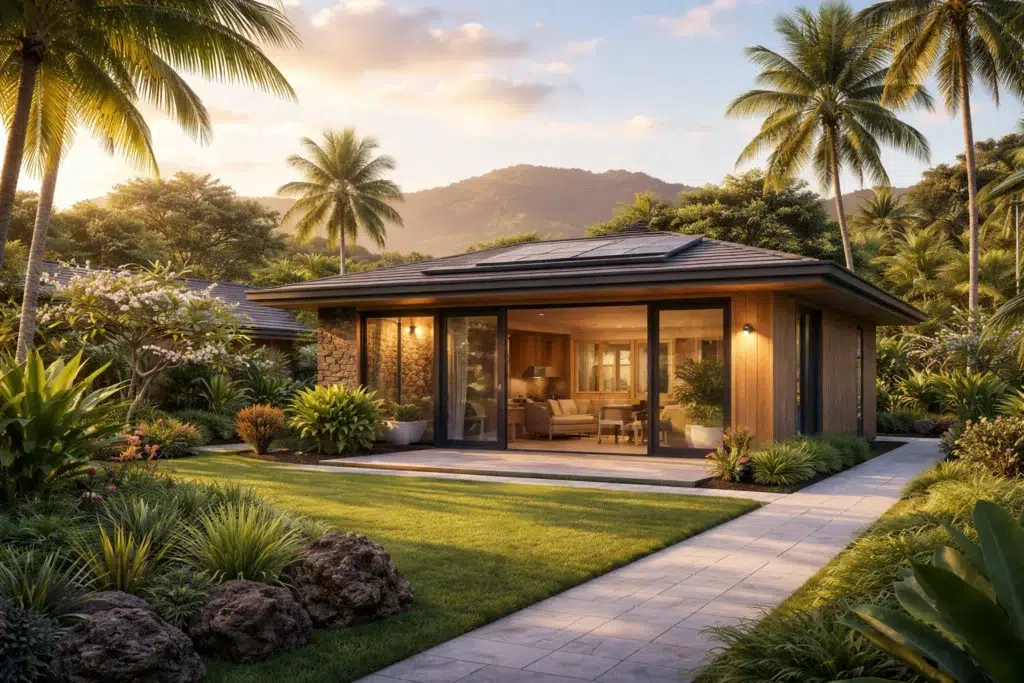
Unlocking Property Potential with ADU Design in Honolulu for Modern Island Living
In the evolving landscape of Hawaii real estate, the concept of the accessory dwelling unit (also known as an accessory dwelling unit, ADU) has become a cornerstone of sustainable practices for homeowners.
As of 2026, local regulations and building codes in Oahu have shifted to address the critical need for affordable housing and affordable living options. Whether you are looking to create extra living space for family members or seeking to enter the rental market, adu design in Honolulu offers a strategic guide to transforming your single-family home into a versatile, multi-unit property.
At UCG Hawaii, we help you navigate the complexities of adu construction to create living spaces that are functional, beautiful, and compliant. From the initial design to the final construction, we ensure your adu project is a success.
What is an Accessory Dwelling Unit (ADU)?

An accessory dwelling unit (ADU) is a secondary living space located on the same lot as a primary residence. Unlike an ohana unit, which is typically restricted to family members, a permitted accessory dwelling unit can be used as a rental unit, providing homeowners with additional income.
Types of ADUs for Your Honolulu Home
When starting your adu journey, it is important to understand the different custom solutions available for your property:
Detached ADU: A standalone construction separate from the main house.
Attached ADU: An addition that shares at least one wall with the primary residence.
Interior Conversion: Transforming an existing room, attic, or basement into a separate lot-style unit within the existing home.
In Honolulu, an adu must include its own full kitchen, a bathroom, and a separate entrance to ensure true independence for the residents.
ADU Design in Honolulu: 6 Ultimate Smart Build Advantages
Accessory dwelling units are transforming residential properties across Oahu by adding flexibility, rental potential, and multigenerational living options. Strategic planning and innovative layouts help homeowners maximize space, value, and long-term benefits for modern island living.
The benefits of starting an adu project extend far beyond just having more space. For local families, custom adus represent a way to secure their financial future.

1. Multi-Generational Living
Hawaii has a long-standing tradition of family living together. An adu is the perfect accessory dwelling unit for aging parents who want to maintain independence while staying close to family. It is also an ideal living space for adult children who are looking for affordable living options in a high-cost housing market.
2. Additional Income and Rental Potential
By creating a rental unit on your single lot, you can generate significant additional income. This additional living space can help offset mortgage payments, making the dream of owning a Honolulu home more attainable.
3. Increased Property Value
Adu construction is one of the most effective ways to achieve increased property value. By adding a secondary full kitchen and bathroom to the property, homeowners significantly enhance the marketability of their property.
4. Smart Space Efficiency
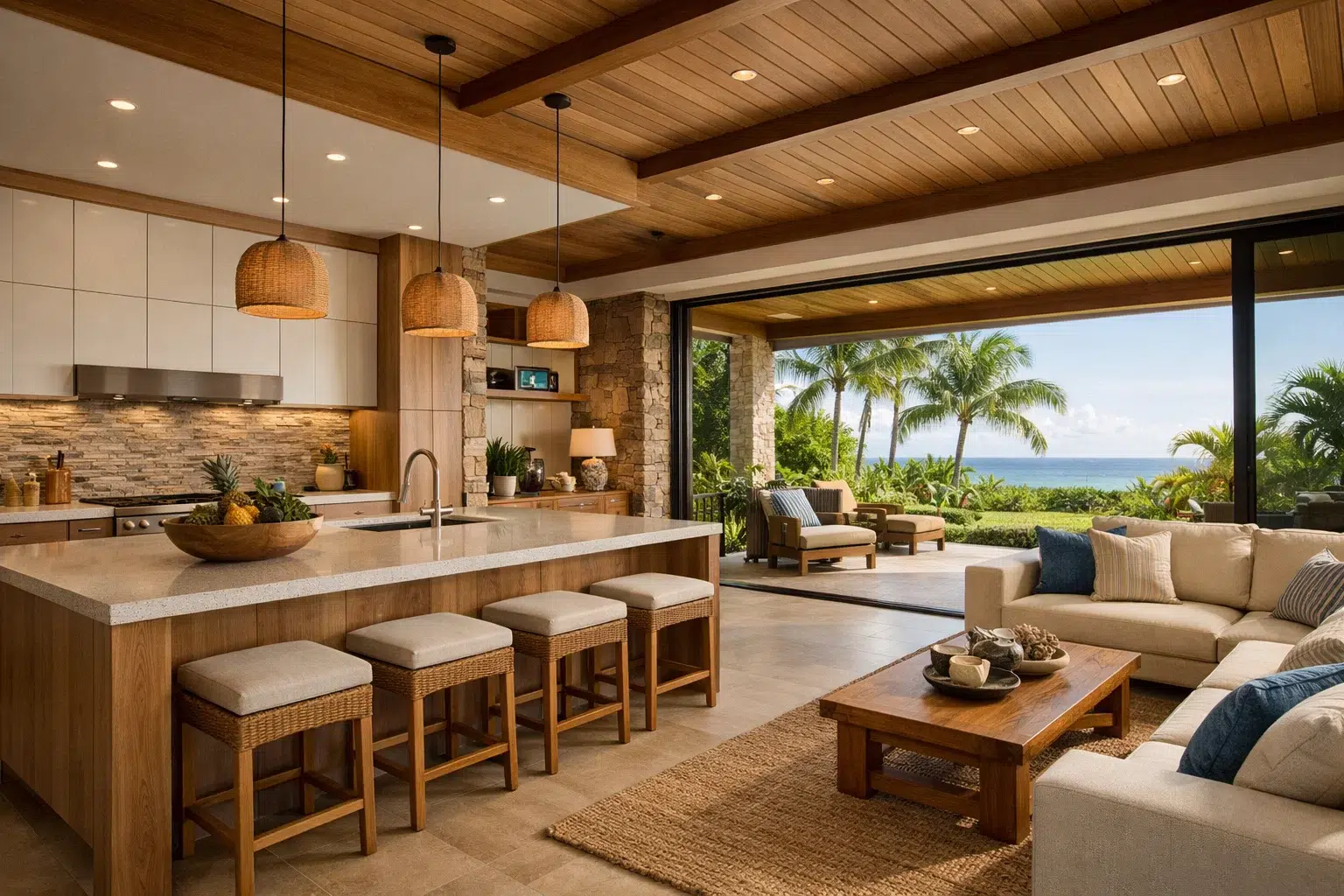
Smart layouts maximize compact footprints while maintaining comfort and functionality. Through thoughtful ADU design in Honolulu, homeowners can integrate storage, natural ventilation, and open interiors that make small spaces feel spacious, practical, and welcoming daily.
5. Sustainable Island Living
Sustainability plays a key role in modern backyard homes. Smart ADU design in Honolulu incorporates energy-efficient materials, solar readiness, and natural airflow strategies that reduce environmental impact while supporting comfortable tropical living for island residents.
6. Flexible Lifestyle Use
Beyond rentals, ADUs can function as home offices, guest suites, or creative studios. Versatile ADU design in Honolulu ensures adaptable layouts that evolve with changing family needs, work trends, and lifestyle priorities over time naturally.
Navigating Local Regulations and Building Codes
Before adu construction begins, every property owner must ensure their project complies with local regulations. In Honolulu, the adu must be located in a residential zone (not a commercial or industrial zone).
Key Rules for Your ADU Design
Lot Size: Most residential lots in Oahu are eligible for at least one adu.
Minimum Size: While there is no strict minimum size for the unit itself, it must meet building codes for safety and habitability.
Maximum Square Footage: Typically ranges from 400 to 800 square feet, depending on the size of your property.
Off-Street Parking Space: Under current Honolulu rules, one off-street parking space is generally required for the adu, unless the property is located near a high-frequency transit line.
Expert ADU Design and Construction Process

At UCG Hawaii, we believe that adu design should focus on how to maximize space without sacrificing style. Our adu journey follows a structured construction process to ensure excellence.
Step-1: Site Assessment and Feasibility
We review your property to determine the best location for the adu. We check the floors, drainage, and proximity to the main house. We also verify that your lot is not in a country district that prohibits accessory dwelling unit (ADU) development.
Step-2: Custom Floor Plan and Material Selection
Our adu design experts create a floor plan that utilizes a compact footprint while maximizing natural light. Material selection is critical in Hawaii; we choose materials that resist humidity and salt air, ensuring a long life for your new construction.
Step-3: Permits and Construction
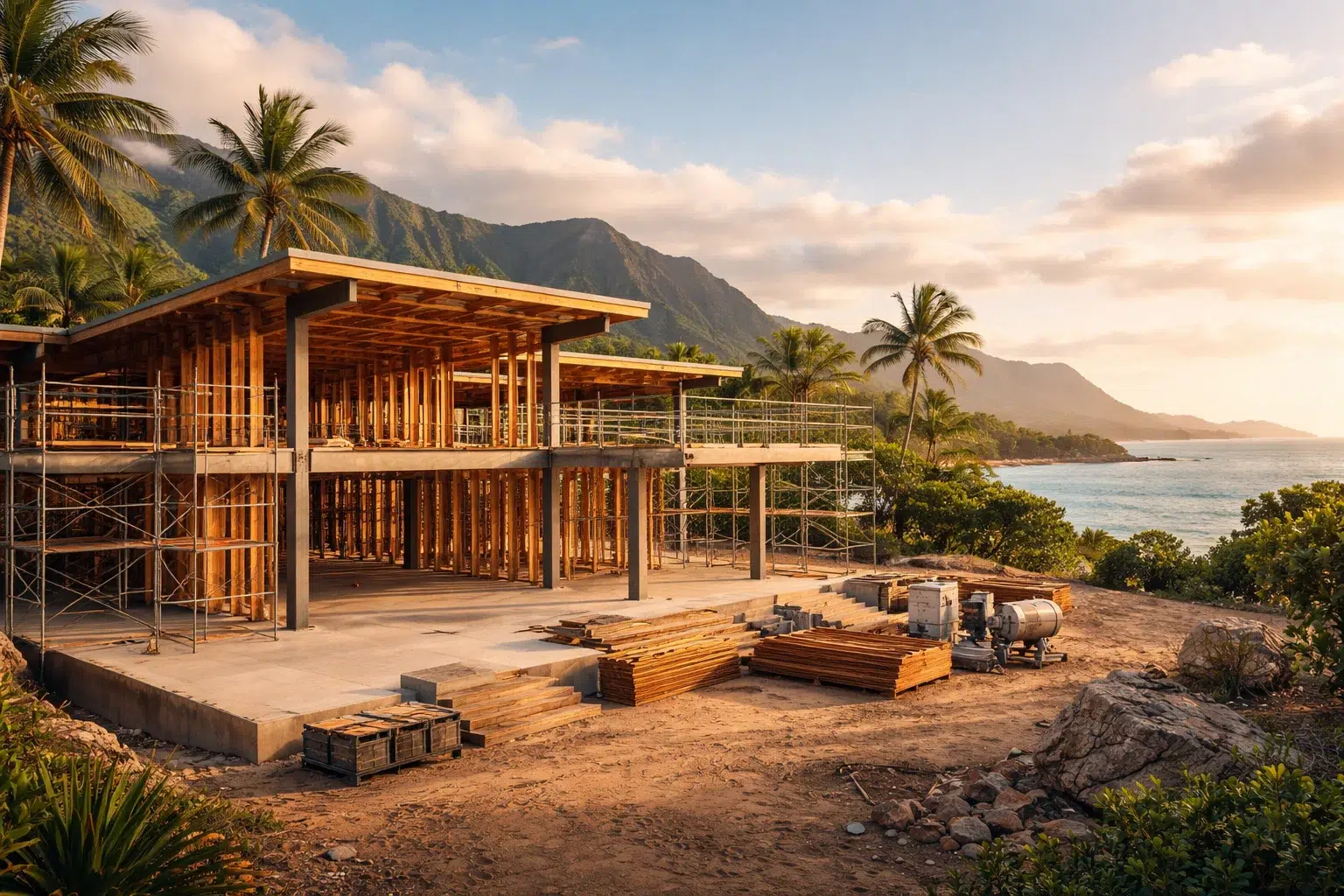
We handle all the paperwork for your adu project. Once permits are issued, construction begins. We create high-quality guest houses, home offices, or a guest suite with minimal disruption to your daily life.
Frequently Asked Questions
Can I build more than one adu on my property?
How does an adu differ from an ohana unit?
What is the best floor plan to maximize space?
Will an adu significantly increase my property taxes?
Can I convert my garage into an accessory dwelling unit?
Start Your ADU Journey with UCG Hawaii
Your Honolulu home has the potential to provide more space, housing for family, and a secure financial future. Whether you need home offices, guest houses, or a dedicated living space for aging parents, UCG Hawaii’s secondary suite (ADU) builds provides the custom solutions you need.