Construction and Restoration in Hawaii: What Property Owners Need to Know
Construction and restoration projects in Hawaii demand strategic planning, climate awareness, and regulatory coordination across residential and commercial properties statewide. From storm recovery and tenant improvements to full structural rebuilds, property owners must balance durability, cost control, operational continuity, and long term asset value overall.
Understanding how construction and restoration intersect allows investors, associations, business operators, and homeowners to make informed decisions before committing capital. This guide outlines Hawaii specific considerations, project options, cost drivers, compliance requirements, and contractor selection strategies to support resilient, high performing properties across the islands.
Understanding Construction and Restoration for Hawaii Properties
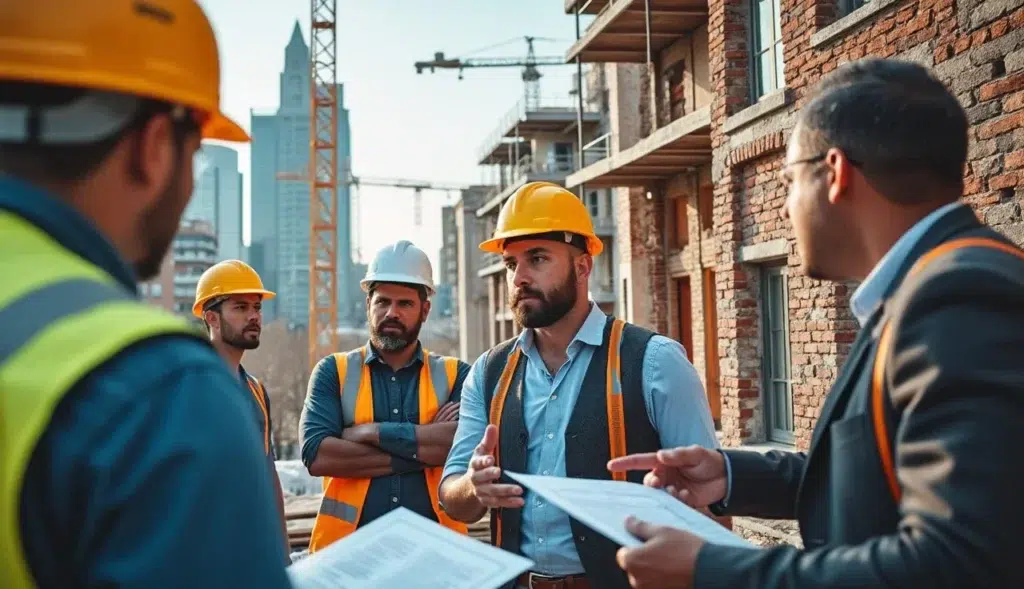
Lorem ipsum dolor sit amet, consectetur adipiscing elit. Ut elit tellus, luctus nec ullamcorper mattis, pulvinar dapibus leo.
Storm, Flood, and Moisture Recovery
In Hawaii’s tropical environment, construction and restoration frequently address hurricane damage, roof failures, flooding, and chronic moisture intrusion affecting residential and commercial properties. Rapid mitigation, structural drying, and material replacement protect occupants, prevent mold growth, and reduce long term operational disruptions.
Aging Residential and Commercial Buildings
Many properties across Hawaii were built decades ago and now require construction and restoration to update structural systems, electrical infrastructure, and plumbing networks. Modernizing these buildings improves safety, supports current occupancy demands, and aligns performance with contemporary building standards.
Code Compliance and Risk Mitigation
Evolving county regulations often trigger construction and restoration upgrades, including fire life safety improvements, accessibility modifications, and structural reinforcements. Proactive compliance reduces liability exposure for landlords and business owners while protecting occupants and maintaining insurability in Hawaii’s regulated environment.
Adaptive Reuse and Tenant Improvements
Construction and restoration refer to repairing, upgrading, or rebuilding structures impacted by age, deferred maintenance, disasters, or functional obsolescence. In Hawaii, construction and restoration apply to single-family homes, condominium complexes, retail spaces, offices, warehouses, and mixed-use buildings alike.
The Dynamic Differences Between Construction and Restoration
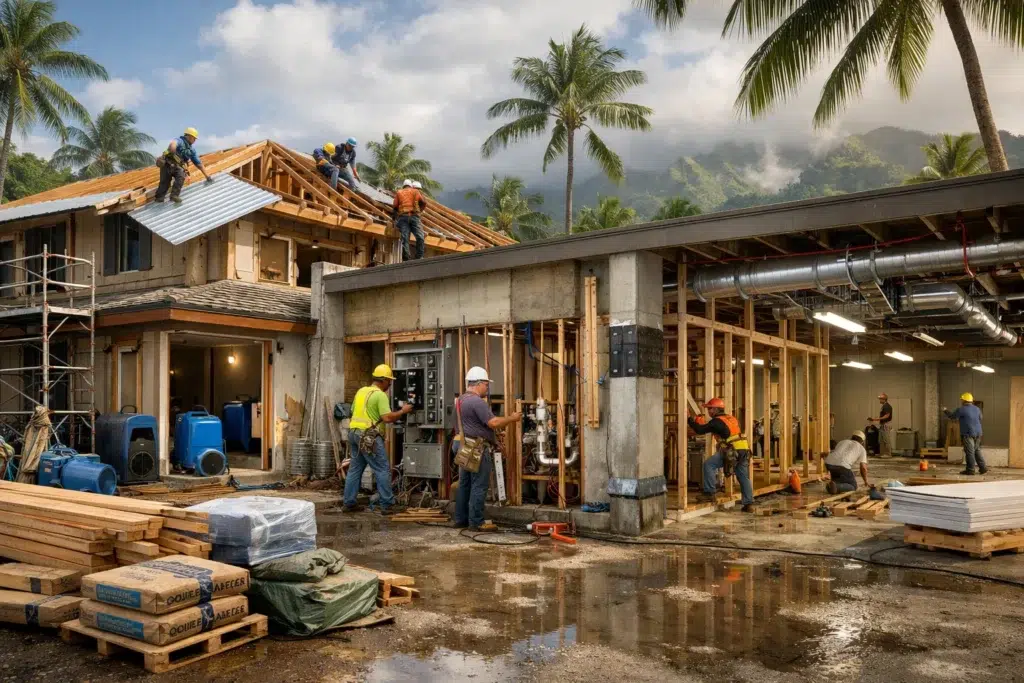
In the built environment, construction and restoration serve complementary yet distinctly different purposes. Construction is centered on creating new structures tailored to present-day standards, technologies, and lifestyles. Restoration, in contrast, focuses on preserving, repairing, and revitalizing existing buildings to extend their lifespan and cultural relevance.
While both disciplines demand strategic planning, regulatory compliance, skilled labor, and budget management, their objectives differ fundamentally. Construction begins with a blank slate and prioritizes innovation, scalability, and modern performance. Restoration works within established frameworks, balancing structural upgrades with historical integrity. Together, they ensure communities can grow sustainably while preserving architectural heritage.
Construction and Restoration: Defining Modern Construction
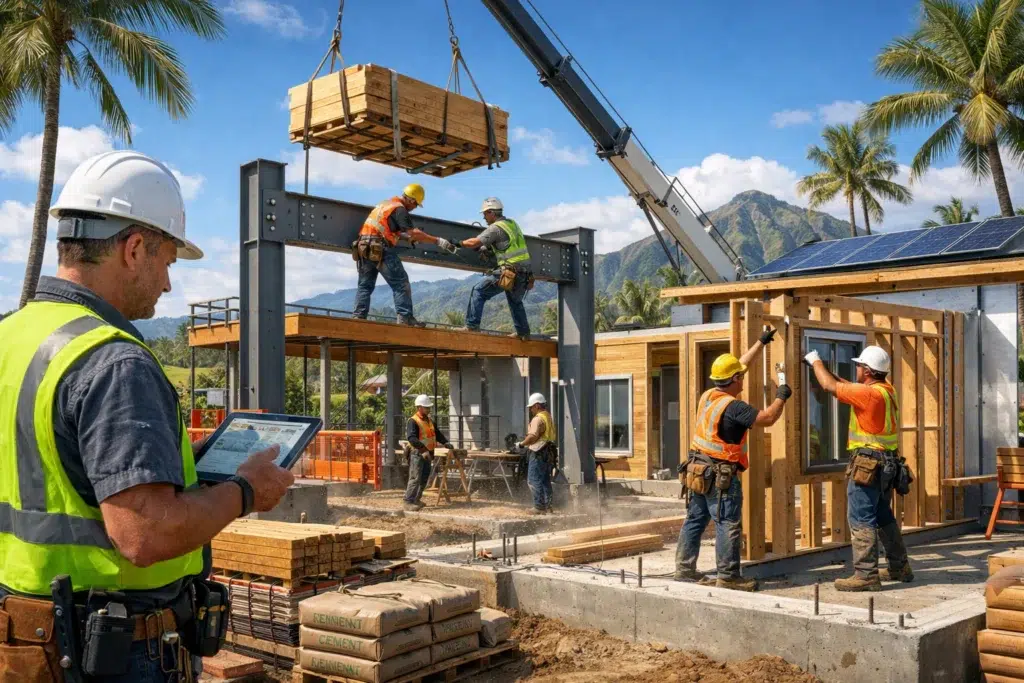
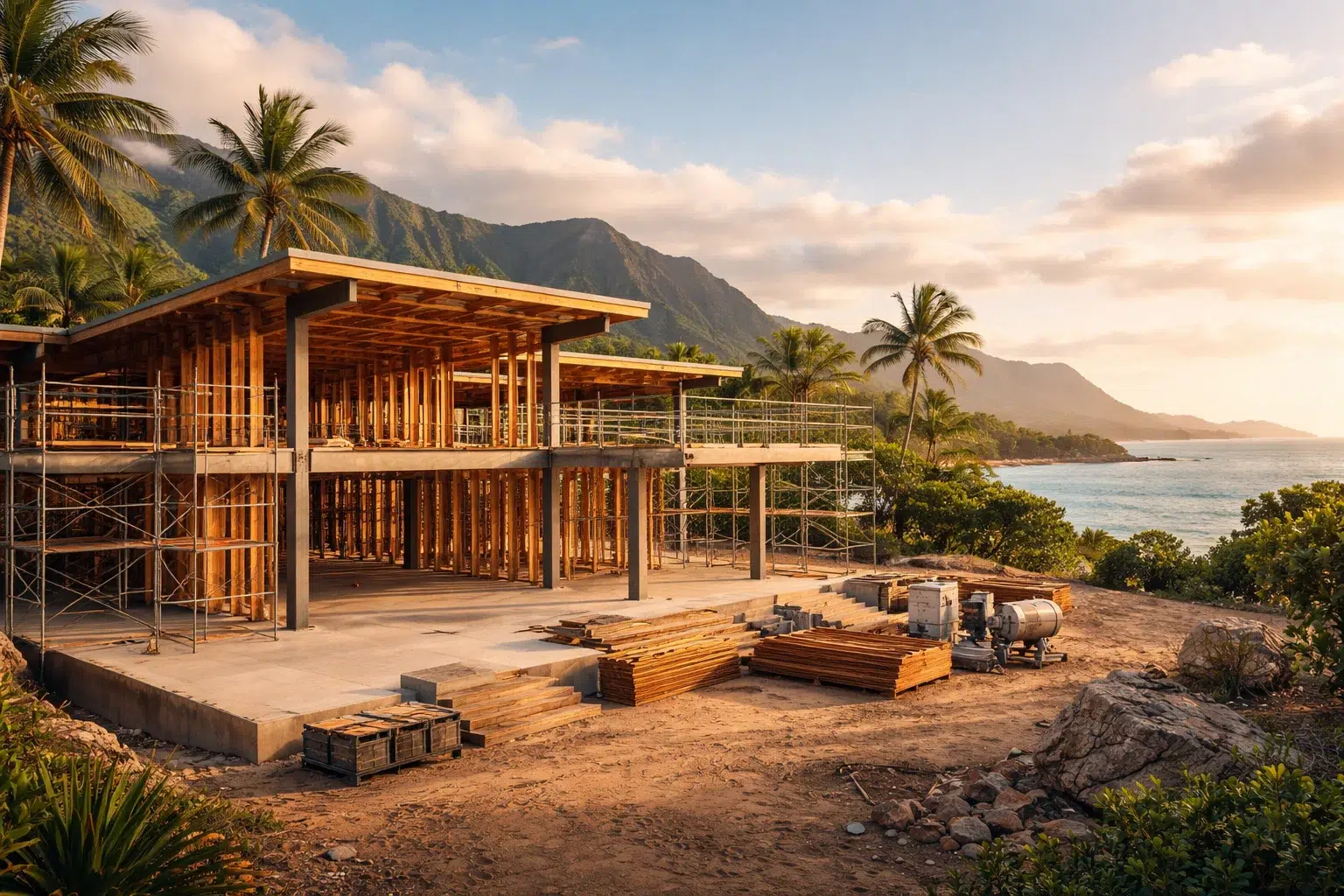
Construction within the broader construction and restoration industry refers to the creation of entirely new structures, from initial site preparation to final completion. Projects typically begin with undeveloped land or cleared property and move through design, engineering, permitting, and building phases.
This process emphasizes efficiency, safety compliance, structural integrity, and contemporary functionality. Modern construction integrates updated materials, technologies, and sustainability practices to meet evolving building codes and performance standards. The goal is to deliver spaces that are durable, efficient, and aligned with current societal and commercial needs.
Historical Preservation
Although most commonly associated with restoration, historical preservation can influence new construction projects located in heritage districts. Builders must ensure new developments complement surrounding historic architecture while complying with local preservation guidelines and regulatory standards.
Repair and Renovation
In construction projects, repair and renovation typically address defects, design modifications, or unforeseen damage discovered during the building process. These corrective actions ensure that the final structure meets safety standards, quality expectations, and contractual requirements.
Home Improvement
Home improvement projects under construction often involve expanding existing properties with new additions such as extra rooms, garages, or outdoor living areas. These enhancements increase property value while adapting homes to evolving lifestyle demands.
Eco-Friendly Construction
Sustainability initiatives play a major role in modern construction projects. Green building practices focus on energy efficiency, sustainable materials, reduced waste, and environmentally responsible designs that lower long-term operational costs and environmental impact.
Construction and Restoration: The Purpose of Restoration
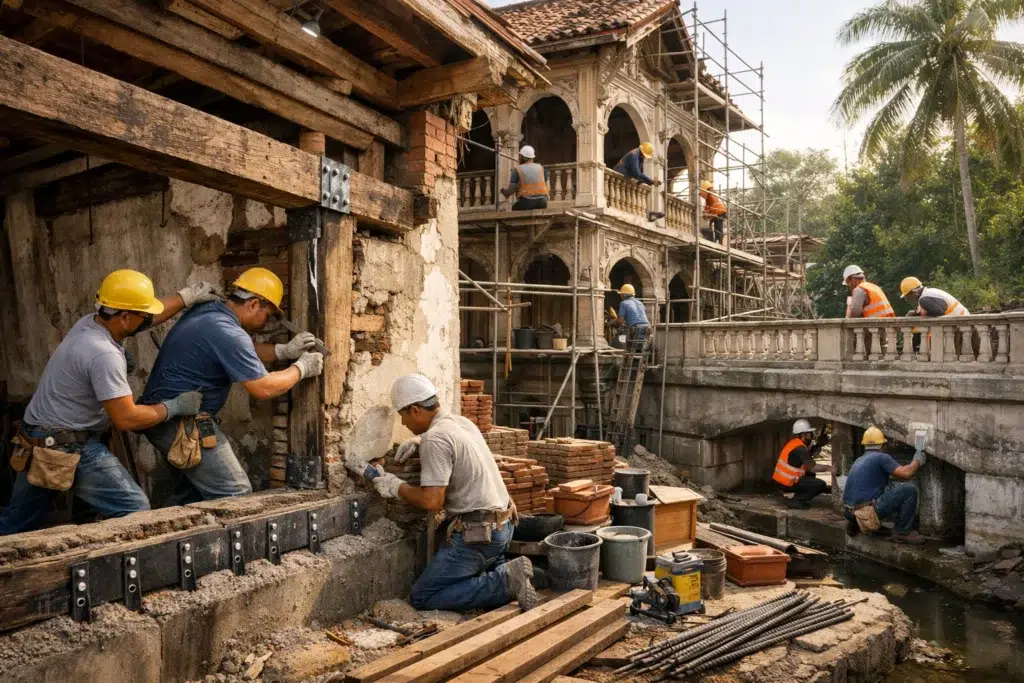
Restoration in the construction and restoration sector focuses on repairing, rehabilitating, and preserving existing structures. Rather than building anew, restoration specialists work to retain architectural character while addressing structural damage, aging materials, and safety upgrades.
This discipline requires careful assessment, skilled craftsmanship, and respect for original design elements. Restoration projects often involve blending traditional construction techniques with modern safety standards, ensuring buildings remain functional without compromising historical or aesthetic value.
Structural Repair
Structural repair is fundamental in restoration work. Aging buildings frequently require reinforcement of foundations, load-bearing walls, roofing systems, and framing components before aesthetic improvements can begin, ensuring long-term stability and occupant safety.
Infrastructure Repair
Infrastructure repair extends restoration principles to public assets such as bridges, roadways, and municipal systems. These projects prioritize safety, durability, and service continuity while preserving essential structural components whenever feasible.
By clearly distinguishing construction from restoration, stakeholders can better allocate resources, plan projects, and protect investments. Construction drives expansion and modernization, while restoration safeguards cultural identity and structural longevity. Together, they form the foundation of resilient, forward-thinking communities.
Key Benefits of Construction and Restoration for Property Owners
Well-planned construction and restoration strengthen structural systems, enhance occupant safety, and improve operational efficiency for both residential and commercial assets. In Hawaii’s demanding climate, these projects also proactively protect long-term investment value by addressing corrosion, moisture intrusion, and wind resistance.
- Restores structural integrity after storms, leaks, or deterioration
- Reduces liability exposure through code-compliant upgrades
- Improves energy efficiency and mechanical performance
- Enhances tenant satisfaction and property marketability
- Extends the usable lifespan of aging buildings
- Supports insurance and financing requirements
- Protects long-term asset value in coastal environments
Popular Construction and Restoration Options in Hawaii
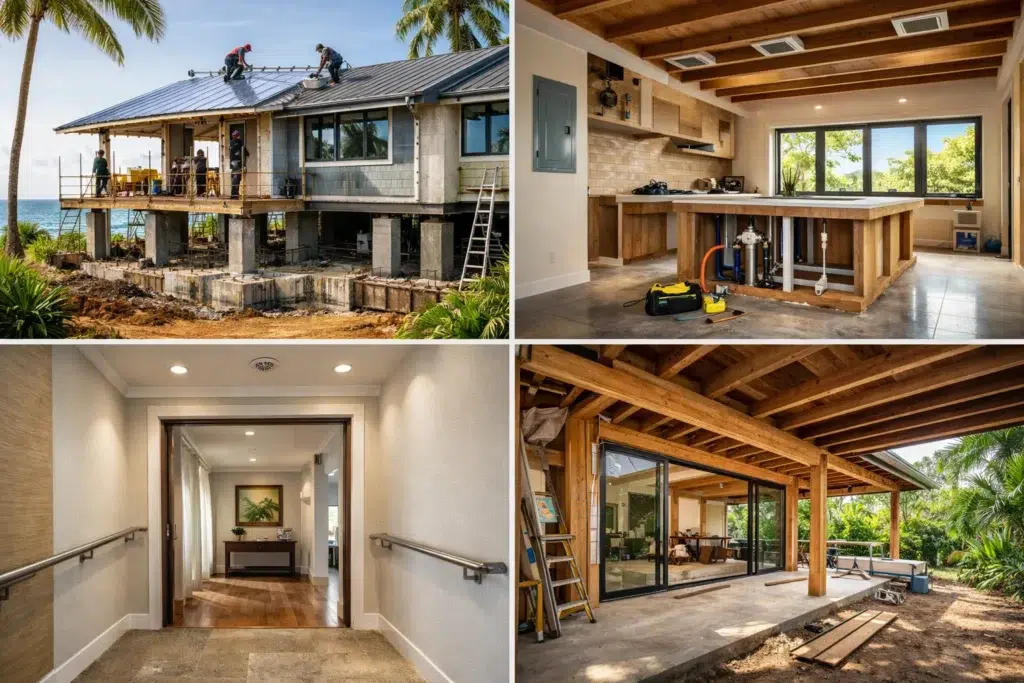
Property owners throughout Hawaii pursue construction and restoration strategies that balance resilience, operational continuity, and financial return. The following options reflect common priorities across residential communities, condominium associations, and commercial facilities.
Structural Rehabilitation and Envelope Upgrades
Comprehensive structural rehabilitation strengthens foundations, framing, roofing, and exterior cladding systems. Construction and restoration focused on the building envelope improve wind resistance, waterproofing performance, and corrosion protection, essential for coastal and high rainfall zones.
Interior Renovations and System Modernization
Interior construction and restoration may include electrical panel upgrades, plumbing replacement, fire suppression improvements, and HVAC modernization. These enhancements increase safety, energy efficiency, and occupant comfort across offices, retail units, multifamily properties, and single-family homes.
Accessibility and Safety Improvements
Construction and restoration projects often integrate accessibility upgrades, improved egress pathways, and life safety enhancements. Aligning facilities with current accessibility standards and fire codes reduces risk exposure while broadening usability for tenants, customers, and residents.
Space Reconfiguration and Expansion
Expanding usable square footage or reconfiguring layouts supports evolving operational needs. Construction and restoration allow property owners to add units, enlarge commercial suites, or convert underutilized areas into revenue-generating spaces while maintaining structural continuity.
Cost Factors to Consider Before Starting Your Project
Before initiating construction and restoration, property owners should evaluate financial, logistical, and regulatory variables that influence total investment. Clear budgeting and early feasibility assessments help minimize disruptions to tenants, residents, or business operations.
| Cost Factor | What It Covers | Why It Matters in Hawaii |
|---|---|---|
|
Project Scope |
Targeted repairs or full redevelopment |
Larger scopes increase coordination and capital requirements |
|
Materials |
Structural, mechanical, and finish components |
Shipping logistics and corrosion resistance affect pricing |
|
Permits |
County plan review and inspections |
Required for structural, electrical, and commercial upgrades |
|
Labor |
Skilled trades, supervision, safety management |
Island labor availability influences timelines |
|
Timeline |
Phasing and operational coordination |
Delays impact tenants, revenue, and occupancy schedules |
Because many materials are imported, freight timing and supply chain fluctuations can influence schedules. Phased construction and restoration planning help maintain building operations while managing capital expenditures responsibly.
Why Professional Contractors Matter in Hawaii
Construction and restoration across residential and commercial properties require technical expertise, regulatory familiarity, and disciplined project management. Hawaii’s climate, seismic considerations, and permitting processes demand contractors who understand both structural performance and operational continuity requirements.
- Local knowledge of wind loads, salt exposure, and humidity impacts
- Experience navigating county permitting and inspections
- Proper licensing, bonding, and insurance coverage
- Coordination of specialized commercial and residential trades
- Emphasis on safety standards and risk mitigation
- Clear communication with stakeholders and tenants
- Long-term durability-focused material selection
Construction and Restoration: 6 Smart and Amazing Strategies
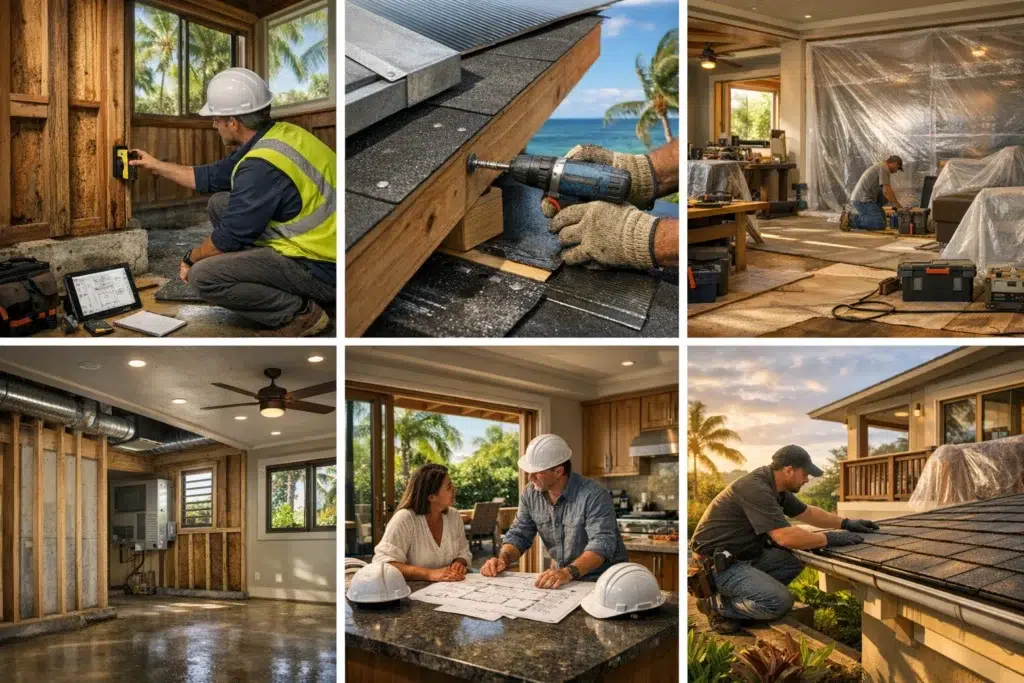
1. Comprehensive Property Assessment
Effective construction and restoration begin with detailed property assessments evaluating structural systems, moisture conditions, code compliance, and operational constraints. Early diagnostics reduce unforeseen costs, support accurate budgeting, and guide strategic sequencing for residential communities and commercial facilities.
2. Climate Responsive Material Planning
Selecting materials suited to Hawaii’s humidity, salt air, and ultraviolet exposure strengthens project longevity. Construction and restoration strategies should prioritize corrosion-resistant fasteners, treated lumber, high-performance coatings, and roofing assemblies engineered for high-wind events.
3. Phased Implementation for Operational Continuity
For occupied buildings, phased construction and restoration minimize disruption to tenants, customers, and residents. Coordinated scheduling, temporary protections, and clear communication allow essential upgrades while maintaining business continuity and residential livability.
4. Integrated Energy and System Upgrades
Incorporating energy-efficient lighting, insulation, ventilation, and mechanical systems during construction and restoration reduces long term operational costs. These integrated improvements enhance occupant comfort and support sustainability goals across commercial portfolios and residential communities.
5. Regulatory Alignment and Documentation
Thorough documentation and regulatory coordination are essential components of construction and restoration in Hawaii. Aligning plans with county requirements protects owners from penalties, supports insurance compliance, and streamlines inspections throughout the project lifecycle.
6. Preventative Maintenance Planning
Post-completion maintenance planning preserves the value of construction and restoration investments. Scheduled inspections, moisture monitoring, and timely repairs help property owners extend structural lifespan and reduce costly emergency interventions.
Why Property Owners Trust United Construction Group Hawaii
United Construction Group Hawaii delivers experienced construction and restoration services for residential communities, commercial properties, and mixed use developments statewide. Our team understands island regulations, climate challenges, and operational demands, providing structured planning and durable workmanship tailored to each asset.
Through transparent communication, detailed proposals, and disciplined project management, we help property owners protect investments and minimize disruption. Our commitment to quality construction and restoration ensures projects are executed responsibly, safely, and in alignment with long term performance goals.
Testimonials
“Brandon and the United Construction crew are very professional and they know what they are doing!” – Alvaro Guarana Jr.
“Brandon and his team are fantastic! Their response time is always quick, and the quality of their work is consistently excellent. Both myself and my clients have been very happy with the results. Highly recommend them for their professionalism and reliability. Thank you!” – Miki Kojima
“You would be hard pressed to find a more honest, reliable, and fair priced company to work with than UCG! Consider yourself lucky if you have the opportunity to work with Brandon and his company!” – Jesse Alverio
How It Works: Our Step-by-Step Process
Step-1: Initial Property Consultation
We meet with owners or stakeholders to review property conditions, operational priorities, and investment goals. This consultation defines the construction and restoration scope while identifying constraints related to occupancy, scheduling, and regulatory requirements.
Step-2: Detailed Evaluation and Planning
Our team performs structural assessments, system evaluations, and compliance reviews. Findings inform a strategic construction and restoration plan outlining phased work, risk management measures, and projected timelines.
Step-3: Transparent Proposal Development
We provide clear documentation detailing scope, materials, estimated timelines, and permitting considerations. Open communication supports informed decision-making before construction and restoration activities begin.
Step-4: Coordinated Project Execution
Licensed professionals implement construction and restoration work with structured supervision, safety oversight, and quality control. Coordination with tenants or occupants ensures minimal disruption.
Step-5: Final Review and Ongoing Support
Upon completion, we conduct walkthroughs, confirm compliance, and outline maintenance recommendations to protect long-term performance and asset value.
Frequently Asked Questions
How much do construction and restoration projects cost in Hawaii?
How long will construction and restoration take?
Are permits required for commercial and residential projects?
Can businesses or residents remain during construction?
How do I determine whether to restore or redevelop?
Request a Construction and Restoration Consultation in Hawaii
If you are evaluating construction and restoration for a residential community or commercial property in Hawaii, informed planning is essential. Contact United Construction Group Hawaii to discuss strategic solutions designed to protect your investment, support occupants, and strengthen long-term building performance.