Hawaiian Flooring in Hawaii: What Homeowners Need to Know
Hawaiian flooring plays a critical role in how island homes look, feel, and perform over time. From coastal humidity to sandy foot traffic, flooring choices must balance durability, comfort, and visual harmony while complementing Hawaii’s indoor-outdoor lifestyle across different islands.
This guide explains Hawaiian flooring options, benefits, costs, and planning considerations for local homeowners. Whether renovating a beachside residence or upgrading an inland property, understanding materials, installation factors, and professional guidance helps ensure flooring solutions perform beautifully within Hawaii’s unique climate conditions.
Understanding Hawaiian Flooring for Hawaii Homes
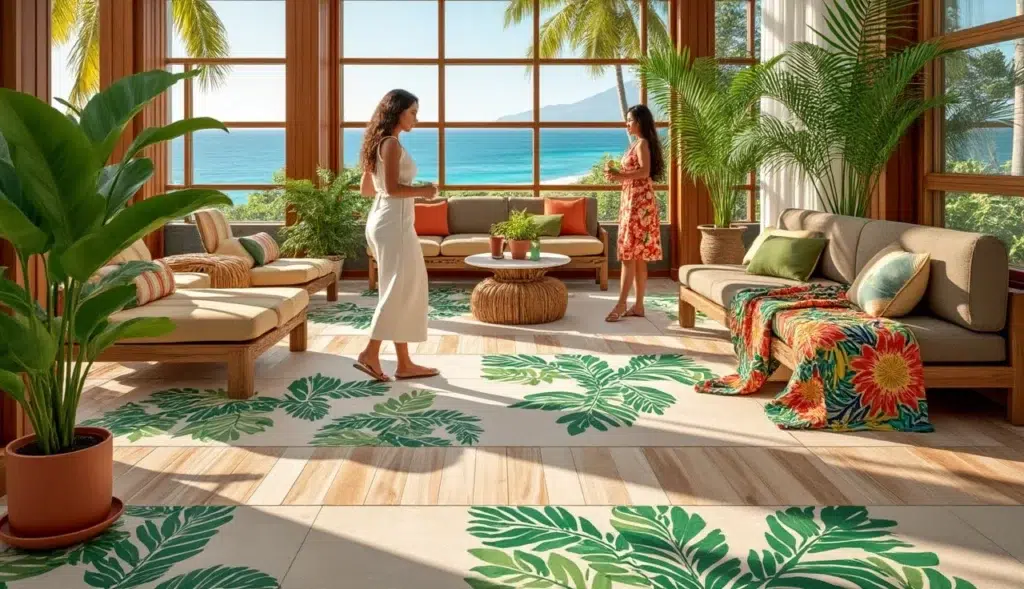
Hawaiian flooring refers to flooring solutions selected specifically for Hawaii’s climate, lifestyle, and architectural influences. Materials must withstand humidity, temperature shifts, salt air, and frequent indoor-outdoor movement while maintaining comfort, safety, and long-term performance across residential environments.
Climate-Responsive Material Selection
Hawaii’s tropical climate demands flooring materials that resist moisture absorption, warping, and mold growth. Hawaiian flooring options are chosen for stability, slip resistance, and breathability, ensuring floors remain comfortable and safe despite humidity, rainfall, and temperature variations common across the islands.
Cultural and Architectural Influence
Island homes often reflect natural textures, open layouts, and indoor-outdoor transitions. Hawaiian flooring complements these designs by incorporating wood tones, stone-inspired surfaces, or organic finishes that align with local architecture while maintaining practical durability for everyday island living environments.
When Flooring Upgrades Make Sense
Homeowners typically consider Hawaiian flooring during renovations, water damage repairs, aging floor replacements, or lifestyle changes. Upgrading flooring improves comfort, safety, and property value while ensuring surfaces meet modern expectations for durability, maintenance efficiency, and visual appeal within Hawaii homes.
Key Benefits of Hawaiian Flooring
Hawaiian flooring delivers more than visual appeal by addressing performance challenges unique to island living. Choosing appropriate flooring materials improves comfort, durability, and long-term maintenance outcomes while supporting healthier indoor environments across Hawaii’s diverse residential property types and locations.
- Moisture-resistant performance reduces warping, swelling, and mold risks in humid conditions.
- Enhanced durability handles sandy feet, pets, and frequent traffic from indoor-outdoor living.
- Slip-resistant surfaces improve household safety, especially in wet or coastal areas.
- Natural textures and tones complement island-inspired architectural styles seamlessly.
- Low-maintenance materials simplify cleaning and long-term care for busy homeowners.
- Improved indoor comfort supports cooler surfaces underfoot during warmer seasons.
Popular Flooring Options in Hawaii

Hawaiian flooring options vary widely, allowing homeowners to balance practicality, aesthetics, and budget. Each material offers distinct advantages depending on location, lifestyle, and maintenance preferences, making informed selection essential for long-term satisfaction in island homes.
Flooring Options and Their Prices
Understanding average flooring prices helps homeowners compare materials realistically. Hawaii costs vary by island, shipping, and labor, but these estimates provide a practical starting point when planning budgets for durable, island-appropriate flooring selections and projects.
| Flooring Type | Price (Typical Hawaii Range) | Brief Description |
|---|---|---|
|
Luxury Vinyl Plank |
$2.75–$5.00 per sq ft (materials) |
Waterproof, resilient flooring that mimics wood while resisting moisture, making it ideal for busy Hawaiian households and indoor-outdoor living environments. |
|
Porcelain or Ceramic Tile |
$9.00–$14.00 per sq ft (installed) |
Highly durable and moisture-resistant tile offering cooling comfort and long-lasting performance in humid or coastal Hawaii homes. |
|
Engineered Hardwood |
$10.00–$13.00 per sq ft (installed) |
Layered wood construction provides natural aesthetics with improved stability against humidity and temperature fluctuations common in island climates. |
|
Natural Stone Flooring |
$15.00–$28.00+ per sq ft (installed) |
Premium flooring option using stone like slate or marble, delivering luxury appeal, durability, and cooling properties when properly sealed and installed. |
|
Polished Concrete |
$4.00–$15.00 per sq ft (installed) |
Seamless, modern flooring with excellent durability, moisture resistance, and low maintenance, well-suited for contemporary island home designs. |
Cost Factors to Consider Before Starting Your Project
Planning Hawaiian flooring involves understanding multiple cost influences beyond material selection. Home size, preparation requirements, installation complexity, and regulatory considerations all affect overall investment, making professional assessment valuable before finalizing flooring decisions.
| Cost Factor | Considerations |
|---|---|
|
Project Scope |
Room size, layout complexity, and existing floor removal |
|
Materials |
Flooring type, thickness, finish, and durability rating |
|
Permits |
Required approvals for certain renovations or structural changes |
|
Labor |
Installation expertise, preparation work, and craftsmanship |
|
Timeline |
Project duration affecting labor scheduling and logistics |
These factors vary by island and property type. Professional contractors help homeowners evaluate options, anticipate challenges, and develop realistic budgets aligned with performance expectations rather than short-term cost savings alone.
Why Professional Contractors Matter in Hawaii
Professional contractors bring essential local expertise to Hawaiian flooring projects, ensuring installations meet environmental demands, building codes, and long-term performance expectations while protecting homeowners from costly mistakes and unnecessary delays throughout the renovation process.
- Deep understanding of Hawaii’s climate and material performance requirements
- Proper permit handling and compliance with local regulations
- Skilled installation techniques that reduce moisture-related failures
- Safety practices that protect occupants and property during work
- Long-term value through durable workmanship and material selection
Hawaiian Flooring: 6 Amazing Island-Inspired Solutions

1. Moisture-Resistant Vinyl Innovations
Modern vinyl flooring offers realistic island-inspired aesthetics while resisting moisture and temperature fluctuations. These advanced materials provide durability, slip resistance, and low maintenance, making them ideal Hawaiian flooring solutions for households balancing style with everyday practicality across varied island environments.
2. Coastal Tile Flooring Designs
Tile flooring remains popular for Hawaiian homes due to excellent water resistance and cooling comfort. Contemporary tile designs replicate natural stone or wood appearances while delivering durability, easy cleaning, and reliable performance in high-humidity coastal or indoor-outdoor living spaces.
3. Engineered Wood for Island Stability
Engineered hardwood provides authentic wood visuals with a layered construction that improves stability in humid climates. Hawaiian flooring projects often use engineered wood to achieve warmth and elegance while reducing the risks of warping common with traditional solid hardwood materials.
4. Natural Stone Island Elegance
Stone flooring creates a timeless, upscale appearance inspired by Hawaii’s natural landscape. When professionally installed and sealed, stone offers durability and cooling comfort, making it a refined Hawaiian flooring option for homeowners prioritizing luxury and long-term visual impact.
5. Polished Concrete Modern Appeal
Polished concrete flooring delivers contemporary island style with exceptional durability. Its seamless surface resists moisture, simplifies maintenance, and supports open-plan designs, making it a practical Hawaiian flooring solution for modern homes seeking minimalist aesthetics and resilience.
6. Hybrid Flooring Technologies
Hybrid flooring combines multiple material benefits into one resilient product. These innovative Hawaiian flooring solutions offer waterproof cores, realistic finishes, and enhanced stability, providing homeowners with flexible options suited for diverse island conditions and evolving residential design preferences.
Why Homeowners Trust United Construction Group Hawaii
United Construction Group Hawaii is trusted for delivering flooring solutions rooted in local experience, precision craftsmanship, and transparent communication. Their team understands island conditions and provides tailored guidance that helps homeowners achieve durable, functional, and visually cohesive Hawaiian flooring outcomes.
Homeowners value consistent project management, reliable timelines, and attention to detail throughout every flooring installation. United Construction Group Hawaii prioritizes quality workmanship, safety standards, and honest recommendations, ensuring flooring projects support long-term performance, comfort, and value across Hawaii homes.
Testimonial
“Brandon and the United Construction crew are very professional and they know what they are doing!” – Alvaro Guarana Jr.
“Brandon and his team are fantastic! Their response time is always quick, and the quality of their work is consistently excellent. Both myself and my clients have been very happy with the results. Highly recommend them for their professionalism and reliability. Thank you!” – Miki Kojima
“You would be hard pressed to find a more honest, reliable, and fair priced company to work with than UCG! Consider yourself lucky if you have the opportunity to work with Brandon and his company!” – Jesse Alverio
How It Works: Our Step-by-Step Process
Step-1: Initial Consultation
The process begins with an in-depth consultation to understand homeowner goals, lifestyle needs, and existing conditions. This step allows contractors to recommend Hawaiian flooring materials suited to climate demands, design preferences, and functional requirements.
Step-2: Material Selection
Homeowners review suitable flooring options, finishes, and performance features. Professional guidance ensures selected materials align with moisture resistance, durability expectations, maintenance preferences, and overall budget considerations for Hawaii-specific conditions.
Step-3: Site Preparation
Proper preparation includes surface leveling, moisture testing, and removal of existing flooring. These steps are critical for preventing future issues and ensuring Hawaiian flooring installations perform reliably over time in humid island environments.
Step-4: Professional Installation
Skilled installers apply industry best practices tailored to selected materials. Precision installation minimizes gaps, improves longevity, and ensures flooring meets manufacturer specifications and Hawaii building standards.
Step-5: Final Inspection
A detailed walkthrough confirms quality, safety, and homeowner satisfaction. Contractors address questions, provide maintenance guidance, and ensure Hawaiian flooring installations meet long-term performance expectations before project completion.
Frequently Asked Questions
How long does Hawaiian flooring installation take?
Is Hawaiian flooring more expensive than standard flooring?
Are permits required for flooring projects in Hawaii?
Can homeowners stay in the house during installation?
How do I maintain Hawaiian flooring?
Start Your Hawaiian Flooring Project with Confidence in Hawaii!
Planning Hawaiian flooring upgrades becomes easier with expert guidance tailored to island conditions. Homeowners seeking durable, comfortable, and visually cohesive flooring solutions can benefit from professional consultations that clarify options, expectations, and next steps while supporting confident, informed renovation decisions.