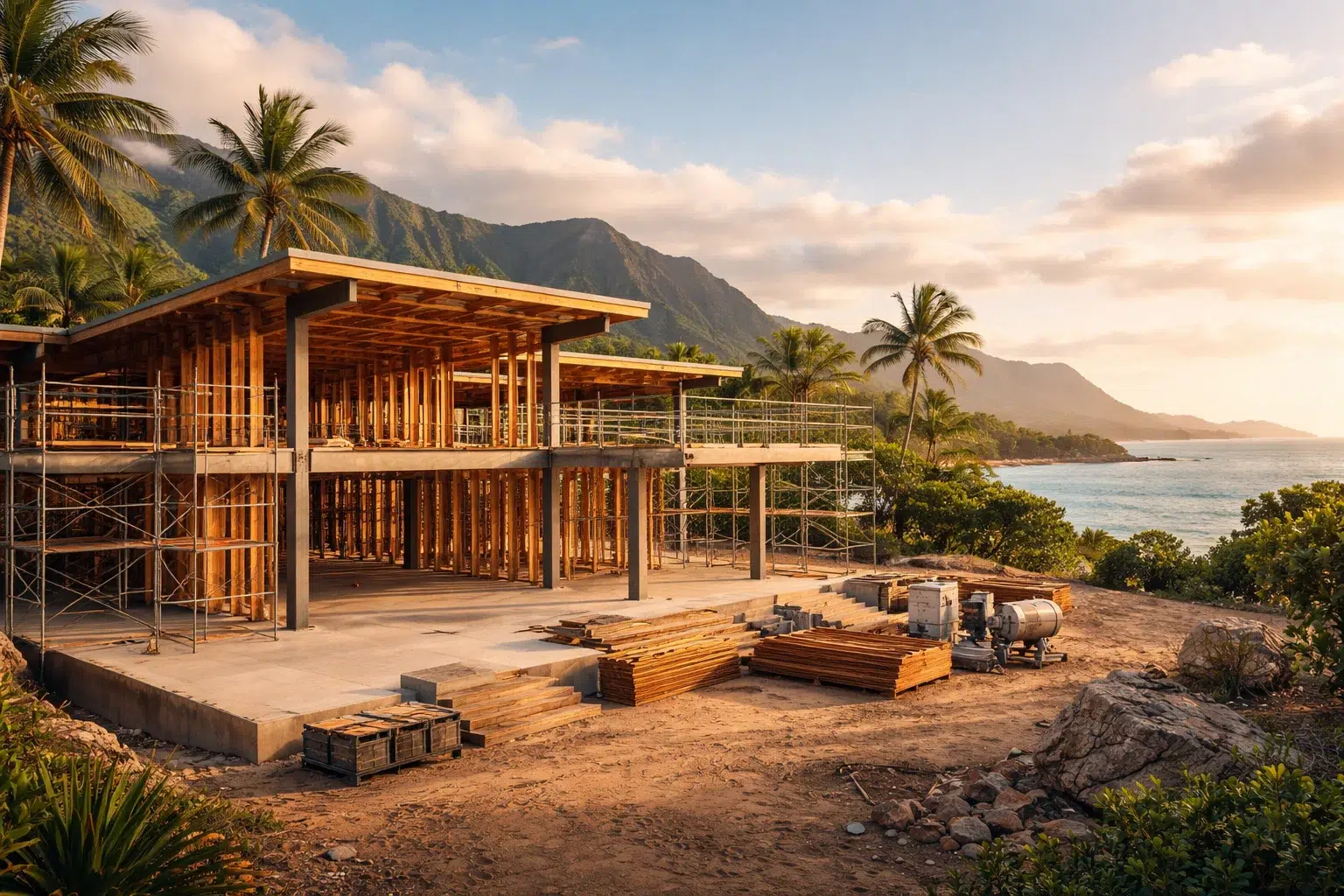
Homeowner Construction Contract in Hawaii: What Homeowners Need to Know
Home construction projects in Hawaii require more than design inspiration and budgeting. A homeowner construction contract establishes expectations, responsibilities, and protections for everyone involved. Understanding contract details helps homeowners avoid disputes, delays, and unexpected costs while navigating Hawaii’s unique permitting, labor, and material conditions.
For homeowners planning renovations, additions, or new builds, construction contracts serve as legal roadmaps. This guide explains essential contract components, Hawaii-specific considerations, and practical steps homeowners can take to protect their investment while working confidently with licensed local contractors.
Understanding Homeowner Construction Contracts for Hawaii Homes

A homeowner construction contract is a legally binding agreement outlining the scope, timeline, cost, and responsibilities of a residential construction project. In Hawaii, contracts must account for island logistics, weather exposure, material availability, and county permitting processes that differ from mainland standards.
Scope of Work Definition
A clearly defined scope of work outlines exactly what the contractor will build, install, or renovate. For Hawaii homes, detailed descriptions reduce misunderstandings related to climate-resistant materials, custom construction details, and specialized labor often required for island properties.
Legal Requirements in Hawaii
Hawaii construction contracts must comply with state licensing laws, disclosure requirements, and consumer protection statutes. Homeowners should confirm contractors hold valid licenses and insurance, ensuring contracts reflect Hawaii Department of Commerce and Consumer Affairs regulations and county-specific building codes.
When Homeowners Need a Contract
Any project involving structural work, system upgrades, or significant financial investment requires a written contract. In Hawaii, even smaller renovations benefit from contracts due to permitting requirements, inspection processes, and coordination with specialized island trade professionals.
Key Benefits of Homeowner Construction Contracts for Homeowners
A well-written homeowner construction contract protects both parties by setting clear expectations, minimizing risk, and providing accountability throughout the building process. For Hawaii homeowners, contracts also help manage logistics, weather delays, and regulatory compliance unique to island construction environments.
- Defines project scope, materials, and workmanship standards clearly
- Establishes payment schedules tied to construction milestones
- Outlines timelines while accounting for weather or shipping delays
- Provides legal protection if disputes or changes arise
- Confirms licensing, insurance, and liability responsibilities
- Improves communication between homeowners and contractors
Popular Construction Contract Structures in Hawaii

Hawaii homeowners commonly encounter several contract structures depending on project size, complexity, and risk tolerance. Choosing the right format helps align expectations and manage financial exposure throughout construction.
- Fixed-Price Contracts: A single agreed price covering defined work, offering predictability for homeowners while requiring detailed planning upfront.
- Cost-Plus Contracts: Homeowners pay actual costs plus a fee, providing flexibility for custom projects but requiring careful budget oversight.
- Time and Materials Contracts: Billing based on labor hours and materials, often used for smaller or uncertain-scope projects.
Design-Build Contracts: One agreement covering design and construction, streamlining coordination and accountability.
Cost Factors to Consider Before Starting Your Project
Homeowner construction contracts should clearly identify cost drivers influencing the overall project budget. Hawaii’s remote location, labor market, and regulatory environment can significantly impact pricing and timelines.
| Cost Factor | What It Covers | Why It Matters |
|---|---|---|
|
Project Scope |
Size, complexity, customization |
Directly affects labor, materials, and duration |
|
Materials |
Local vs imported materials |
Shipping costs and availability impact budgets |
|
Permits |
County approvals and inspections |
Required for compliance and resale value |
|
Labor |
Skilled local trades |
Limited labor pools affect scheduling |
|
Timeline |
Project duration |
Longer timelines increase indirect costs |
Understanding these factors helps homeowners evaluate contract proposals realistically and avoid unexpected financial strain during construction.
Why Professional Contractors Matter in Hawaii
Professional contractors bring essential local knowledge to homeowner construction contracts, ensuring projects meet Hawaii’s building codes, environmental demands, and permitting standards while protecting homeowners from costly compliance errors and construction risks.
- Experience navigating county permitting and inspections
- Familiarity with the island climate and material performance
- Proper licensing, insurance, and liability coverage
- Coordination with reliable local subcontractors
- Long-term durability and value-focused construction practices
Homeowner's Checklist to Home Construction Contracts

1. Contractor License Verification
Homeowners should verify contractor licenses through Hawaii’s licensing authorities before signing contracts. Proper licensing confirms legal eligibility, trade qualifications, and accountability, protecting homeowners from unqualified builders and potential legal or financial complications during residential construction projects.
2. Detailed Scope of Work
Contracts must clearly describe all work included and excluded. Detailed scopes prevent misunderstandings, change order disputes, and incomplete installations, especially important in Hawaii where specialized materials, structural adaptations, and climate-driven construction methods are commonly required.
3. Payment Schedule Transparency
A clear payment schedule outlines deposit amounts, milestone payments, and final balances. Transparent terms help homeowners manage cash flow while ensuring contractors receive fair compensation aligned with verified construction progress and completed project phases.
4. Change Order Procedures
Construction contracts should define how changes are requested, priced, and approved. Written change order processes protect homeowners from surprise charges and help maintain accurate budgets when project adjustments become necessary during construction.
5. Project Timeline Expectations
Contracts should include estimated start dates, completion timelines, and allowances for weather or shipping delays. Realistic schedules help homeowners plan living arrangements and reduce frustration caused by Hawaii’s unpredictable environmental or logistical challenges.
6. Permits and Inspections
Contracts must clarify responsibility for obtaining permits and scheduling inspections. Proper documentation ensures work complies with county regulations, avoids fines, and protects homeowners during future property sales or refinancing processes.
7. Materials and Specifications
Homeowners should confirm materials, brands, and specifications are listed in contracts. Clear documentation prevents substitutions that could compromise durability, appearance, or performance in Hawaii’s coastal and humid environments.
8. Warranty Coverage
Construction contracts should outline workmanship and material warranties. Defined warranty terms give homeowners confidence that defects or issues discovered after completion will be addressed responsibly and within agreed coverage periods.
9. Insurance and Liability
Contracts must confirm contractor insurance coverage, including general liability and workers’ compensation. Adequate insurance protects homeowners from financial exposure if property damage or injuries occur during construction activities.
10. Dispute Resolution Terms
Dispute resolution clauses explain how conflicts are handled if disagreements arise. Mediation or arbitration provisions can help homeowners resolve issues efficiently without costly litigation or prolonged project disruptions.
Homeowner Construction Contract: 6 Expert Tips for Reliable Builds

1. Define Expectations Early
Clear expectations established before construction begins reduce misunderstandings later. Homeowners benefit when contracts outline responsibilities, communication methods, and decision-making authority, creating smoother collaboration and minimizing stress throughout Hawaii residential construction projects.
2. Prioritize Written Documentation
Verbal agreements often lead to disputes. Written documentation within contracts ensures all terms, changes, and approvals are recorded, protecting homeowners legally and providing clarity if questions arise during inspections or project closeout stages.
3. Review Payment Protections
Understanding payment terms helps homeowners avoid overpaying upfront. Contracts should align payments with completed work milestones, ensuring financial leverage remains balanced throughout the construction process from start to final completion.
4. Understand Termination Clauses
Termination clauses explain rights if projects must stop due to breaches or unforeseen circumstances. Knowing these terms helps homeowners protect investments and respond appropriately if contractors fail to meet contractual obligations.
5. Confirm Compliance Responsibilities
Contracts should clearly assign responsibility for code compliance and inspections. Homeowners benefit when contractors manage regulatory requirements, reducing risks associated with violations, rework, or delays caused by noncompliance.
6. Seek Professional Review
Having contracts reviewed by construction professionals or legal advisors helps homeowners identify risks. Expert review ensures terms align with Hawaii regulations and industry standards before significant financial commitments are made.
Why Homeowners Trust United Construction Group Hawaii
United Construction Group Hawaii brings years of island construction experience, delivering clear contracts, skilled craftsmanship, and transparent communication. Homeowners value their understanding of Hawaii building codes, climate considerations, and commitment to completing projects responsibly and professionally.
Clients trust United Construction Group Hawaii for reliability, accountability, and quality results. Their team emphasizes detailed planning, honest guidance, and consistent follow-through, helping homeowners feel confident throughout every phase of the construction and renovation process.
Testimonials
“Brandon and the United Construction crew are very professional and they know what they are doing!” – Alvaro Guarana Jr.
“Brandon and his team are fantastic! Their response time is always quick, and the quality of their work is consistently excellent. Both myself and my clients have been very happy with the results. Highly recommend them for their professionalism and reliability. Thank you!” – Miki Kojima
“You would be hard pressed to find a more honest, reliable, and fair priced company to work with than UCG! Consider yourself lucky if you have the opportunity to work with Brandon and his company!” – Jesse Alverio
How It Works: Our Step-by-Step Process
Step-1: Initial Consultation
Homeowners discuss project goals, timelines, and concerns during an initial consultation. This step establishes expectations, evaluates feasibility, and determines how a clear construction contract can support successful project execution.
Step-2: Site Evaluation
The team evaluates the property, existing structures, and site conditions. Accurate assessments help identify potential challenges, code considerations, and design requirements that influence contract scope and construction planning.
Step-3: Contract Development
Detailed contracts are prepared outlining scope, costs, timelines, and responsibilities. Homeowners review terms carefully, ensuring clarity before work begins and reducing the likelihood of disputes during construction.
Step-4: Construction Phase
Construction proceeds according to contract terms, with ongoing communication and inspections. Structured contracts help maintain accountability, manage changes, and keep projects aligned with agreed expectations.
Step-5: Project Completion
Final inspections, walkthroughs, and documentation occur at completion. Contracts guide closeout procedures, warranty activation, and final payments, ensuring homeowners receive agreed results and long-term peace of mind.
Frequently Asked Questions
Do I need a construction contract for small projects?
How long does contract preparation take?
Are permits included in construction contracts?
Can I live in my home during construction?
What happens if costs change during construction?
Start Your Hawaii Construction Project With Confidence
If you are planning a home renovation, addition, or new build, a well-structured homeowner construction contract is essential. United Construction Group Hawaii offers guidance, clarity, and professional support to help homeowners move forward confidently and make informed decisions at every stage.