Hawaiian Plantation Style House in Hawaii: What Homeowners Need to Know
The Hawaiian plantation style house remains one of the most recognizable residential designs across the islands, blending historic practicality with timeless charm. Many Hawaii homeowners explore this style when planning renovations, additions, or new builds that respect local heritage, climate conditions, and relaxed island living.
This guide explains the defining features, benefits, costs, and professional considerations involved in creating a Hawaiian plantation style house. Homeowners will gain clear insights into design options, construction factors, and decision points to help plan projects that feel authentic, functional, and well-suited for Hawaii’s environment.
Understanding the Hawaiian Plantation Style House for Hawaii Homes
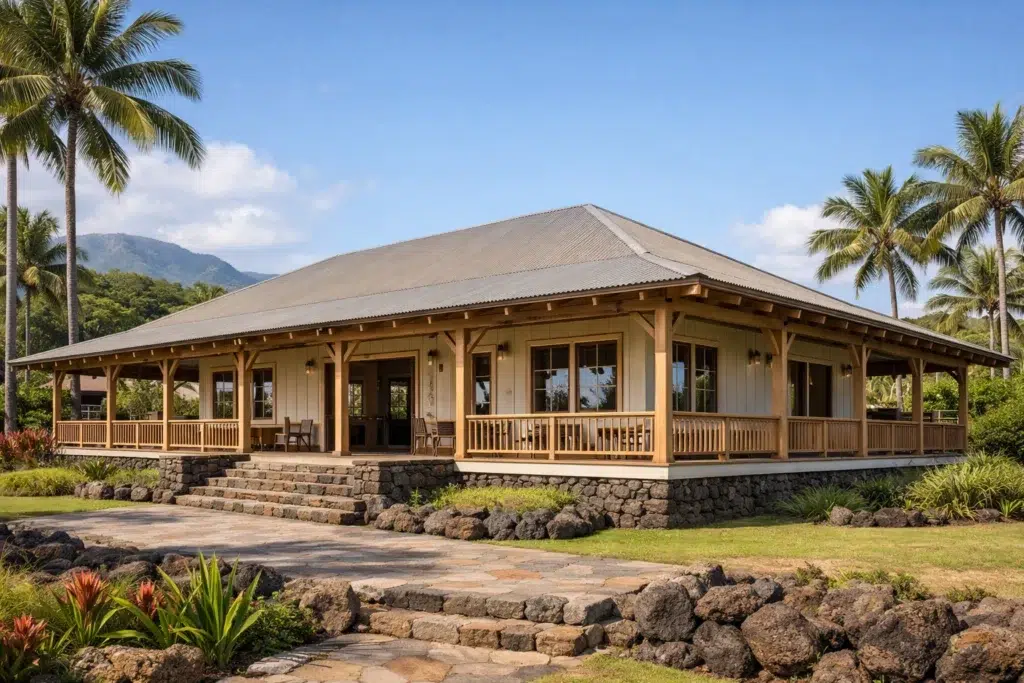
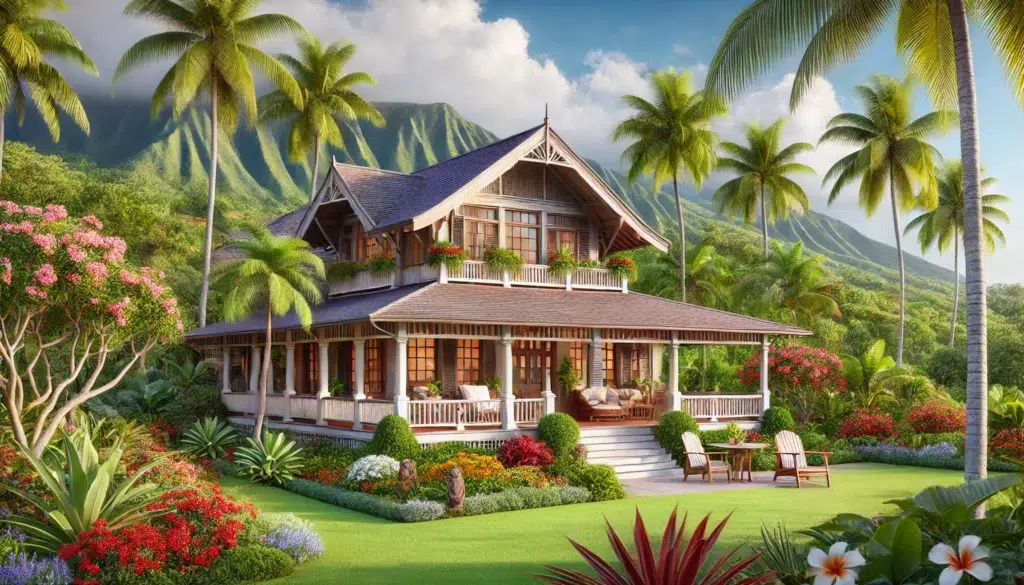
The Hawaiian plantation style house originated during the plantation era, designed to accommodate Hawaii’s climate, available materials, and workforce housing needs. Its simplicity, durability, and airflow-focused layout remain relevant today for homeowners seeking practical yet character-rich homes suited for island conditions.
Historical Origins and Architectural Purpose
Plantation-style homes were originally built to house agricultural workers efficiently while providing comfort in Hawaii’s warm, humid climate. Elevated foundations, large windows, and wide lanais encouraged natural ventilation, reduced heat buildup, and protected structures from moisture, pests, and uneven terrain common throughout the islands.
Defining Design Characteristics
Key characteristics include single-story layouts, symmetrical facades, pitched roofs, and expansive covered porches. These elements create balanced proportions while supporting cross-ventilation and shaded outdoor living. Materials were traditionally simple, emphasizing function over ornamentation while allowing adaptability for various island landscapes.
When Homeowners Choose This Style
Homeowners often select plantation-style designs when prioritizing climate responsiveness, historical authenticity, and straightforward construction. This style suits renovations of older homes, new builds in rural or coastal areas, and additions where maintaining neighborhood character, airflow efficiency, and relaxed indoor-outdoor living remain important goals.
The Evolution of Hawaiian Plantation Architecture
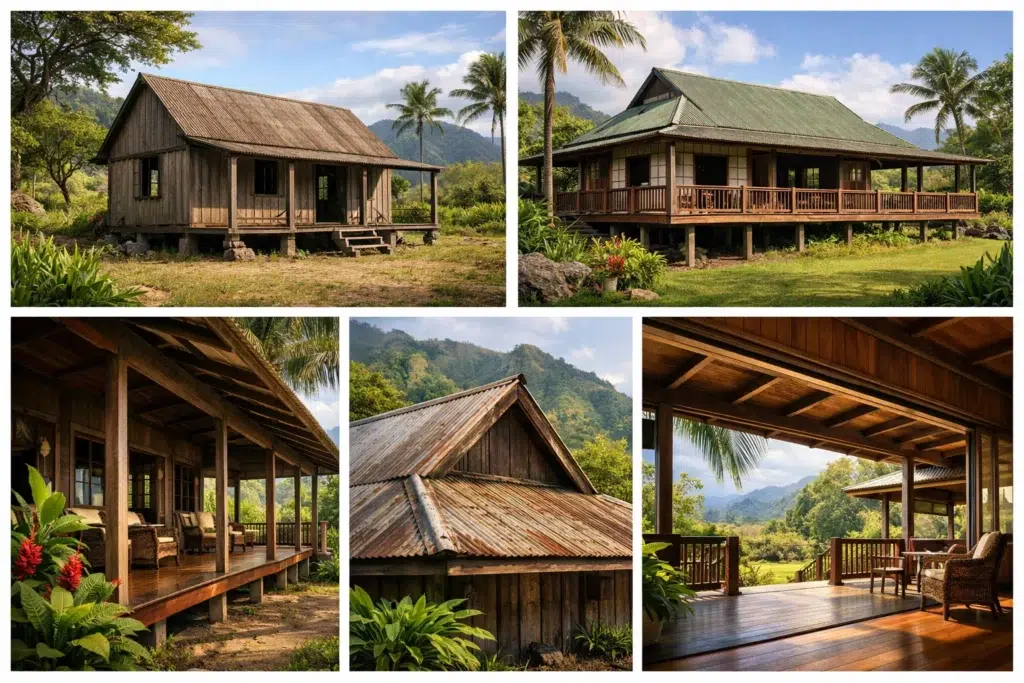
Hawaiian plantation architecture began in the 1850s, shaped by sugar plantations and island climate. These modest homes prioritized durability, airflow, and comfort over ornamentation, serving workers and managers alike. Built of wood and local materials, they balanced function with an emerging regional identity, style traditions.
Over time, plantation houses evolved into cultural hybrids. Japanese design influenced sliding doors and raised floors, Portuguese settlers introduced expansive porches, and Native Hawaiian practices emphasized local woods and climate wisdom. Together, these influences produced practical homes uniquely suited to Hawaii’s environment and enduring character.
Defining Features of Plantation Homes
- Wide lanais (porches) for catching cool breezes
- High-pitched roofs to handle heavy rain
- Single-wall construction for better airflow
- Large windows for natural ventilation
- Wide overhanging eaves for shade
Local Materials Used for Hawaiian Home Construction
The builders were super clever with their material choices. They used whatever they could find locally:
| Material | Common Use | Benefit |
|---|---|---|
|
Redwood |
Exterior walls |
Termite resistant |
|
Koa |
Interior details |
Beautiful and durable |
|
Corrugated tin |
Roofing |
Weather protection |
|
Lava rock |
Foundations |
Strong and abundant |
These homes weren’t just built to look pretty. They were designed to work with Hawaii’s warm climate. Tall windows let in cool breezes. Big porches created shady spots for afternoon breaks. Every detail had a purpose.
Today, these plantation-style houses still inspire modern Hawaiian architecture. They remind us how different cultures can come together to create something truly amazing. It’s like a perfect blend of style, smarts, and island living all rolled into one.
Essential Design Elements
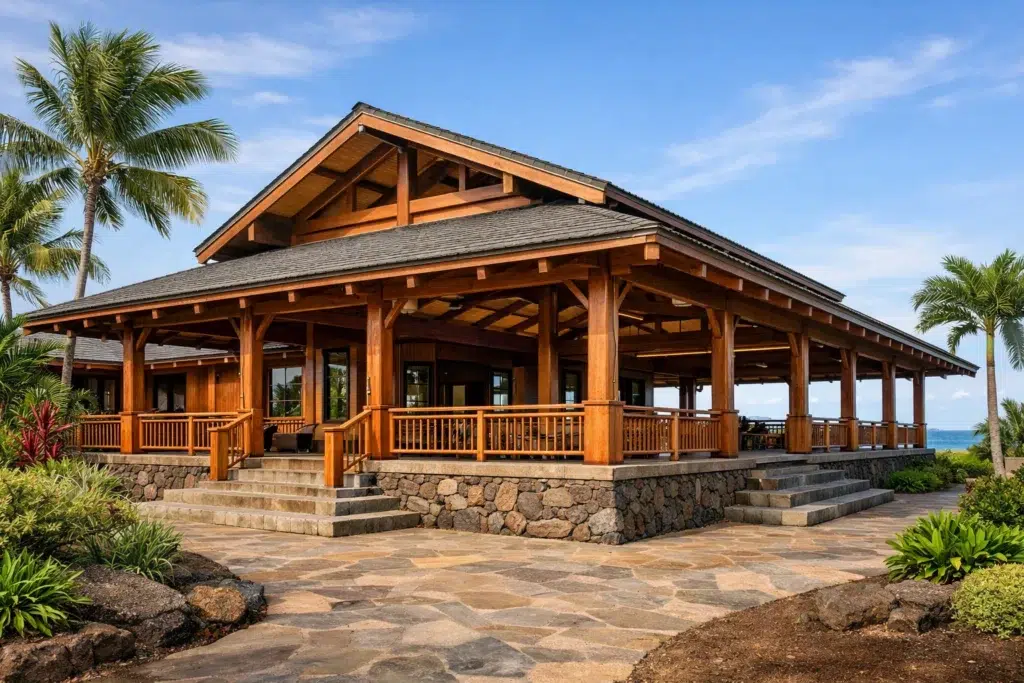
Hawaiian plantation homes are defined by climate-responsive design that prioritizes comfort and durability. Expansive wraparound lanais function as outdoor living areas, encouraging airflow and shade. These transitional spaces help residents enjoy ocean breezes while reducing indoor heat, perfectly suited to Hawaii’s warm, humid environment.
Architectural features such as double-pitched roofs, deep overhangs, and post-and-beam construction enhance ventilation and structural strength. High ceilings and well-placed windows support natural cooling, while locally sourced materials like koa wood, bamboo, and stone reinforce sustainability and a strong connection to the islands.
Key Features of Hawaiian Plantation Homes:
- Wraparound porches (lanais)
- High ceilings with exposed beams
- Large windows for cross-ventilation
- Local wood and stone materials
- Seamless indoor-outdoor flow
Hawaiian Plantation Style Home Layout: Traditional Roots, Modern Living

A Hawaiian plantation style house blends practicality with modern comfort, adapting island design for contemporary living. Traditional layouts emphasizing airflow, shaded outdoor spaces, and local materials are now paired with efficient technology, improving comfort, sustainability, and functionality while preserving the character that defines plantation architecture.
Room-by-Room Design Evolution
| Room Type | Traditional Feature | Modern Adaptation |
|---|---|---|
|
Living Area |
Open floor plan |
Smart home integration |
|
Kitchen |
Cross ventilation |
Energy Star appliances |
|
Bedrooms |
High ceilings |
Ceiling fans with LED lights |
|
Lanai |
Wood construction |
Composite materials |
Hawaiian Plantation Style House: 6 Proven Remarkable Designs
1. Elevated Foundations for Climate Protection
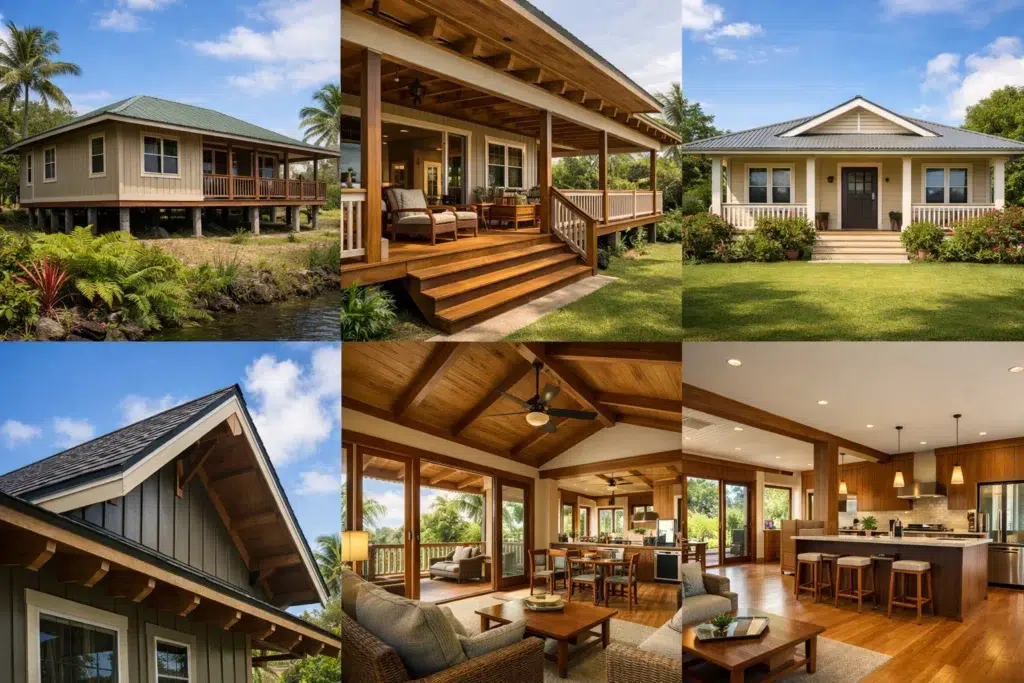
Elevated foundations remain a defining plantation-style feature, improving airflow beneath the home while reducing moisture exposure. This design helps protect framing from humidity, pests, and minor flooding while supporting long-term structural durability across varied Hawaiian terrains and weather conditions.
2. Wide Lanais Supporting Outdoor Living
Generous lanais create shaded outdoor spaces that extend daily living areas. They encourage relaxation, entertaining, and natural ventilation while protecting interiors from direct sun and rain. This feature reinforces the plantation home’s strong connection between indoor comfort and outdoor island lifestyle.
3. Symmetrical Layouts with Functional Simplicity
Balanced facades and straightforward floor plans emphasize function and efficiency. Symmetry supports structural simplicity, cost control, and ease of future renovations. Homeowners benefit from flexible spaces that adapt well to modern living needs without sacrificing traditional architectural character.
4. Pitched Rooflines for Heat Management
Steeply pitched roofs allow hot air to rise and escape, improving interior comfort. This design accommodates attic ventilation and protects against heavy rainfall. Proper roof detailing remains essential for managing Hawaii’s sun exposure, trade winds, and seasonal weather patterns.
5. Natural Light Through Strategic Window Placement
Large windows positioned for cross-ventilation maximize daylight while promoting airflow. This reduces reliance on artificial lighting and cooling systems. Plantation homes use window placement intentionally to balance brightness, privacy, and comfort throughout changing daylight conditions.
6. Adaptable Interiors for Modern Lifestyles
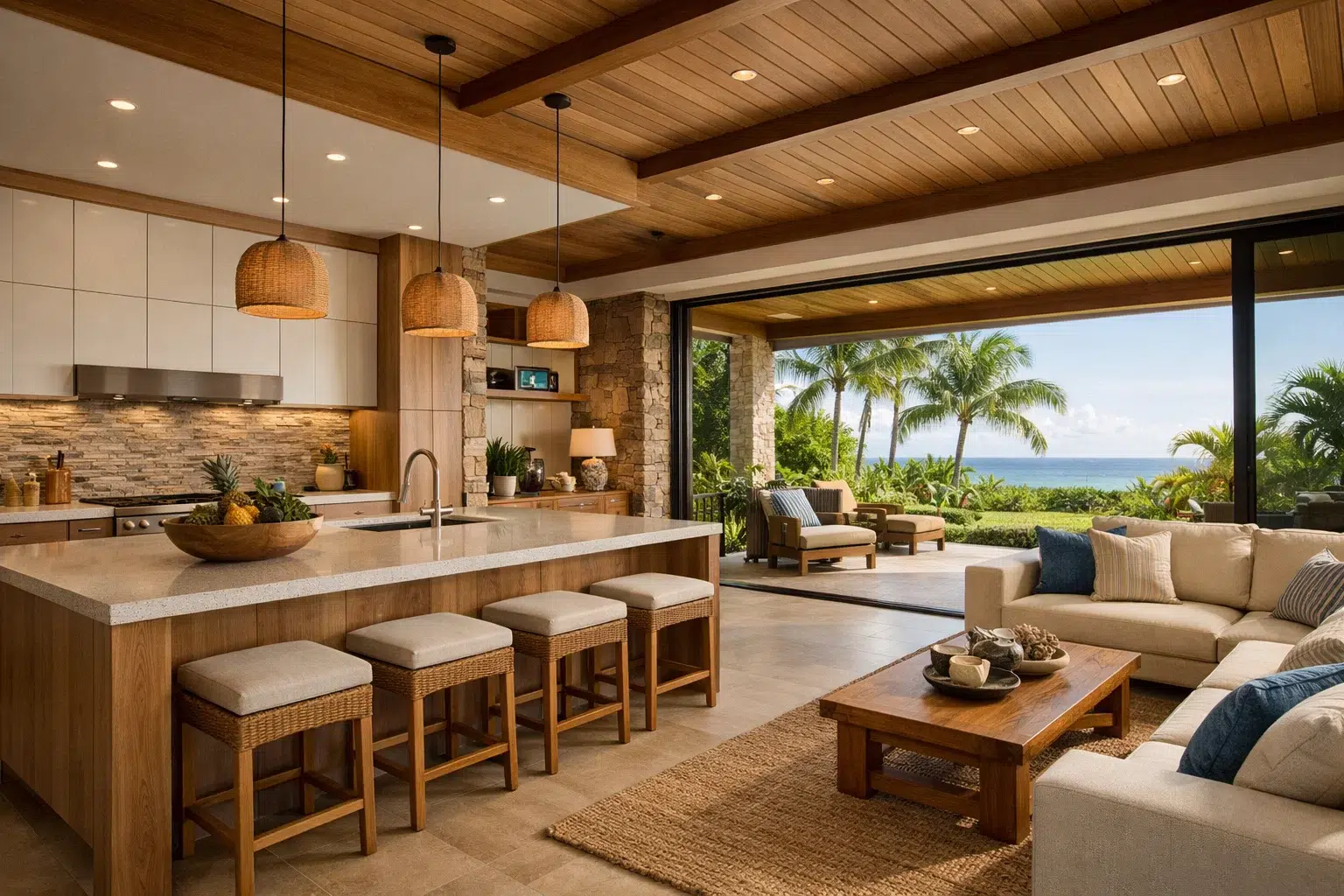
While historically simple, plantation-style interiors adapt easily to modern updates. Open kitchens, updated bathrooms, and flexible living spaces integrate seamlessly. This adaptability allows homeowners to preserve exterior authenticity while customizing interiors for contemporary comfort and functionality.
Why Homeowners Trust United Construction Group Hawaii
Homeowners trust United Construction Group Hawaii for their consistent craftsmanship, clear communication, and deep understanding of island construction demands. Each project reflects careful planning, respect for local architecture, and attention to long-term performance, helping clients feel confident throughout every phase of their renovation or building experience.
From concept through completion, United Construction Group Hawaii prioritizes transparency, reliability, and quality workmanship. Their experience across residential projects ensures realistic timelines, thoughtful material selection, and solutions tailored to Hawaii’s climate, regulations, and homeowner expectations.
Testimonials
“Brandon and the United Construction crew are very professional and they know what they are doing!” – Alvaro Guarana Jr.
“Brandon and his team are fantastic! Their response time is always quick, and the quality of their work is consistently excellent. Both myself and my clients have been very happy with the results. Highly recommend them for their professionalism and reliability. Thank you!” – Miki Kojima
“You would be hard pressed to find a more honest, reliable, and fair priced company to work with than UCG! Consider yourself lucky if you have the opportunity to work with Brandon and his company!” – Jesse Alverio
How It Works: Our Step-by-Step Process
Step-1: Initial Consultation and Planning
The process begins with a detailed consultation to understand homeowner goals, site conditions, and design preferences. This step establishes project scope, identifies constraints, and aligns expectations before design development, budgeting, and scheduling decisions move forward.
Step-2: Design Development and Feasibility Review
Design concepts are refined to balance plantation-style authenticity with modern requirements. Contractors evaluate feasibility, material options, and structural considerations while coordinating with designers to ensure the plan meets Hawaii codes, climate demands, and long-term performance goals.
Step-3: Permitting and Pre-Construction Preparation
Permit applications, documentation, and agency coordination are managed during this phase. Proper preparation helps reduce delays, address zoning requirements, and schedule inspections efficiently, allowing construction to proceed smoothly once approvals are secured.
Step-4: Construction and Quality Oversight
Construction begins with ongoing supervision to maintain quality, safety, and schedule adherence. Contractors coordinate trades, manage inspections, and address site-specific challenges while keeping homeowners informed through each stage of the building or renovation process.
Step-5: Final Walkthrough and Project Completion
A final walkthrough ensures all work meets agreed specifications and quality standards. Any adjustments are addressed promptly, allowing homeowners to transition confidently into their completed plantation-style home with clear documentation and long-term maintenance guidance.
Frequently Asked Questions
Is a Hawaiian plantation style house suitable for modern living?
How long does it take to build or renovate this style of home?
Are special permits required for plantation-style homes?
Is this style more affordable than other home designs?
Can homeowners live on-site during renovations?
Plan Your Hawaiian Plantation Style Home with Local Expertise
If you’re considering a Hawaiian plantation style house, working with experienced local professionals makes planning clearer and more efficient. A knowledgeable home construction contractor can help evaluate your property, refine design choices, and guide you through permits, construction, and long-term durability considerations unique to Hawaii living.