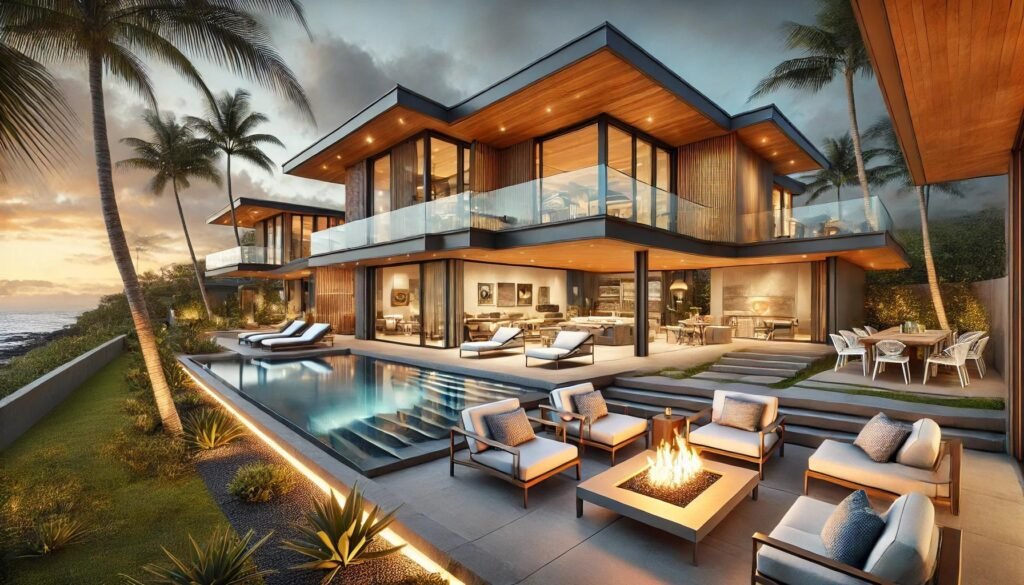
Custom Home Additions in Hawaii: What Homeowners Need to Know
Custom home additions allow Hawaii homeowners to expand living space without leaving the neighborhoods they love. Whether accommodating extended family, creating rental income, or improving functionality, thoughtful additions require careful planning, budgeting, and island-specific expertise to ensure long-term durability and regulatory compliance across diverse island environments.
Understanding structural requirements, zoning considerations, and construction timelines helps homeowners make confident decisions before breaking ground. This guide explains how custom home additions work in Hawaii, what design options are popular, how costs are determined, and why working with experienced professionals protects your investment locally.
Understanding Custom Home Additions for Hawaii Homes

Custom home additions involve expanding an existing residence to increase square footage, functionality, or value. In Hawaii, custom home additions must address climate exposure, coastal conditions, permitting requirements, and neighborhood zoning regulations before construction begins.
Climate-Responsive Design in Custom Home Additions
Hawaii’s humid climate, salt air, and strong sun exposure require custom home additions to use corrosion-resistant materials, proper ventilation strategies, and moisture control systems. Designing with prevailing trade winds and shade orientation improves comfort, reduces energy consumption, and extends structural longevity significantly.
Zoning and Setback Requirements for Custom Home Additions
Before starting custom home additions, homeowners must verify zoning classifications, height limits, and property setbacks. County regulations vary across Oahu, Maui, Kauai, and Hawaii Island. Understanding lot coverage allowances and shoreline rules helps prevent costly redesigns or permit delays later.
Structural Integration with Existing Homes
Successful custom home additions must integrate seamlessly with the original structure. Engineers evaluate foundation capacity, framing compatibility, and roof tie-ins to ensure safety. Proper load calculations and reinforcement prevent settlement issues, especially on hillside or lava-zone properties common throughout Hawaii.
When to Consider Custom Home Additions
Homeowners typically pursue custom home additions when families grow, multigenerational living becomes necessary, or work-from-home needs increase. Others add space to create rental units or expand kitchens and primary suites, improving both daily functionality and long-term resale appeal.
Key Benefits of Custom Home Additions for Homeowners
Expanding your home through custom home additions provides flexibility that relocating cannot always offer. For Hawaii homeowners, additions preserve neighborhood ties, avoid competitive housing markets, and allow improvements tailored to lifestyle needs while increasing property value responsibly.
- Increased living space without purchasing a new property
- Opportunity to create rental income through separate suites
- Enhanced home value and resale potential
- Improved functionality for multigenerational living
- Customization to match island lifestyle preferences
- Potential tax advantages depending on property use
Popular Custom Home Addition Options in Hawaii

Hawaii homeowners choose custom home additions that balance practicality with island-inspired design. Options range from modest expansions to luxury upgrades, depending on budget, lot size, and long-term goals.
Ohana Units and Multigenerational Suites
Ohana-style custom home additions are highly popular in Hawaii. These separate or semi-attached living spaces provide privacy for extended family or rental income opportunities. Proper planning ensures independent entrances, plumbing systems, and compliance with county accessory dwelling regulations.
Expanded Kitchens and Indoor-Outdoor Living Areas
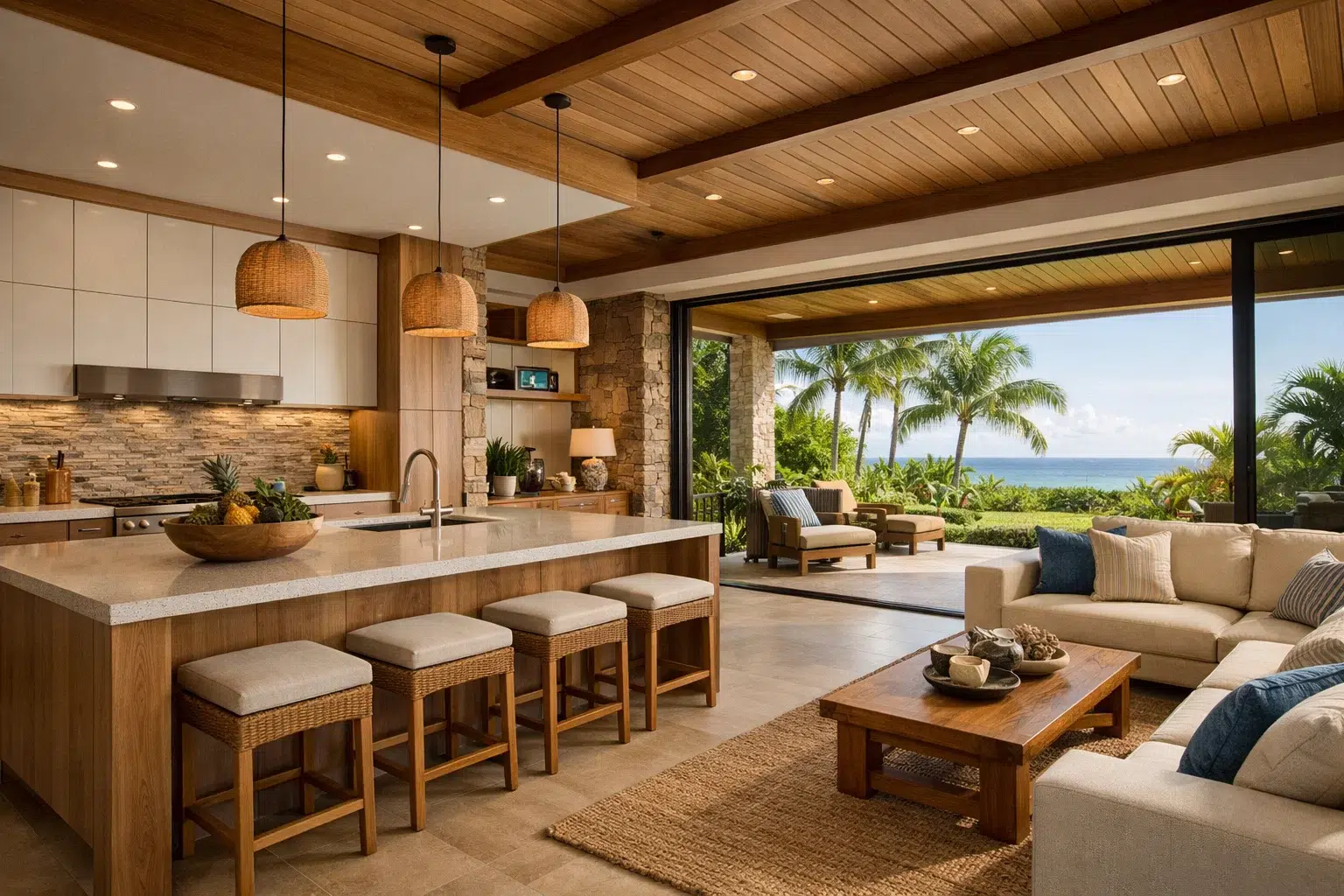
Many custom home additions focus on enlarging kitchens and connecting interiors to lanais. Folding glass doors, covered patios, and extended rooflines create seamless transitions suited to Hawaii’s climate. These upgrades improve entertaining space and natural airflow throughout the home.
Second-Story Additions
When lot coverage limits expansion outward, vertical custom home additions offer practical solutions. Adding a second story preserves yard space while significantly increasing square footage. Structural reinforcement and careful engineering are essential, particularly in older island homes.
Primary Suite Retreats
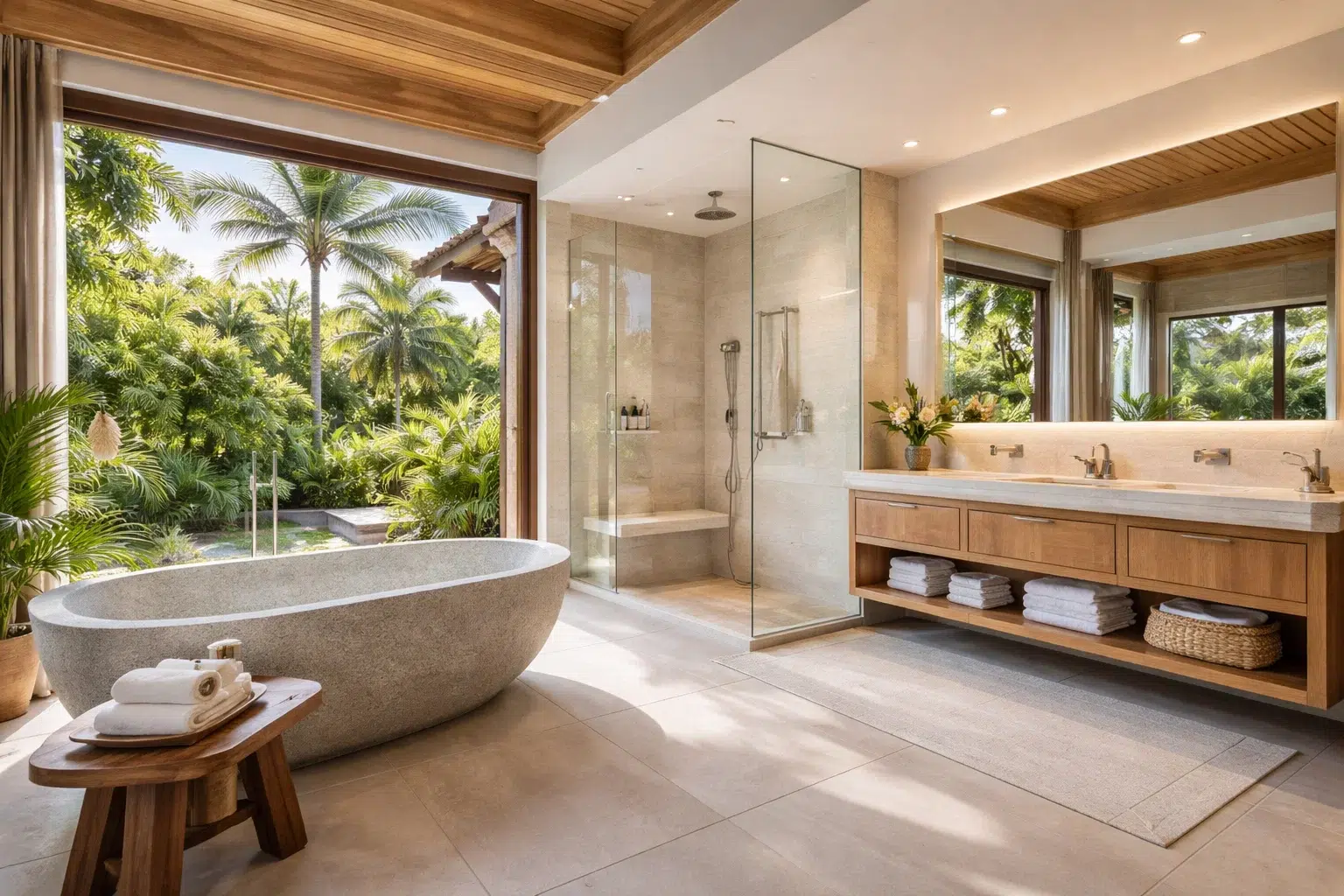
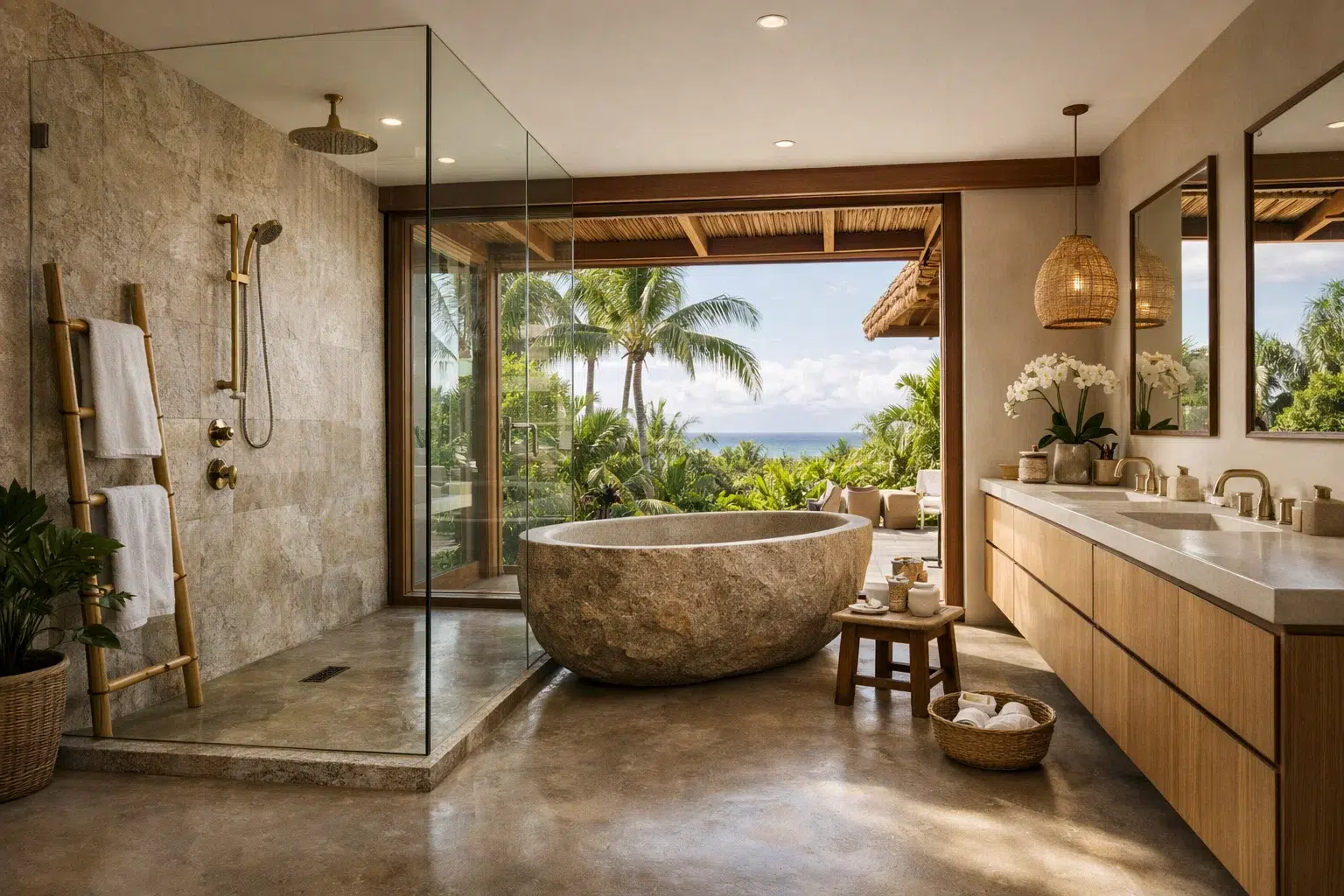
Luxury-focused custom home additions often include expanded primary suites with walk-in closets, spa bathrooms, and private lanais. These upgrades enhance comfort and resale appeal while maintaining architectural harmony with existing structures and neighborhood aesthetics.
Cost Factors to Consider Before Starting Your Project
Budget planning for custom home additions involves more than construction materials. Hawaii’s shipping logistics, labor availability, and permitting timelines influence total investment. Careful evaluation ensures financial preparedness before construction begins.
| Cost Factor | What It Includes |
|---|---|
|
Project Scope |
Size of addition, structural changes, design complexity |
|
Materials |
Lumber, concrete, roofing, finishes, corrosion-resistant products |
|
Permits & Fees |
County permits, inspections, and potential environmental reviews |
|
Labor |
Skilled trades, project management, subcontractors |
|
Timeline |
Duration of construction, potential delays, and staging requirements |
Every property is unique, and exact pricing depends on design choices and site conditions. Obtaining a detailed proposal helps clarify realistic budget expectations without relying on generalized estimates.
Why Professional Contractors Matter in Hawaii
Custom home additions in Hawaii require coordination between architects, engineers, permit offices, and skilled trades. Working with experienced professionals reduces risk, protects structural integrity, and ensures projects comply with island regulations and environmental conditions.
- Deep understanding of Hawaii building codes and zoning regulations
- Expertise in navigating county permit processes efficiently
- Knowledge of hurricane straps, corrosion resistance, and seismic considerations
- Proper insurance, licensing, and safety compliance
- Commitment to long-term structural durability and workmanship quality
Custom Home Additions: 6 Smart and Superior Upgrades

1. Smart Space Planning Strategies
Custom home additions succeed when space planning prioritizes functionality and flow. Designing efficient layouts prevents wasted square footage while maintaining harmony with existing rooms. Thoughtful circulation patterns, storage integration, and natural light placement improve comfort and long-term usability.
2. Energy-Efficient Upgrades
Incorporating energy-efficient windows, insulation, and solar readiness into custom home additions reduces long-term operating costs. Proper ventilation and shading strategies help regulate indoor temperatures naturally, minimizing reliance on air conditioning systems in Hawaii’s tropical climate.
3. Structural Reinforcement Improvements
Many custom home additions provide opportunities to strengthen older structures. Upgrading foundations, framing connections, and roof tie-ins enhances resilience against storms and seismic activity. Reinforcement ensures the entire home performs safely as one integrated structure.
4. Modernized Plumbing and Electrical Systems
Expanding living space often requires upgrading outdated plumbing and electrical infrastructure. Custom home additions allow homeowners to improve panel capacity, add dedicated circuits, and modernize water lines, supporting contemporary appliances and safety standards efficiently.
5. Indoor-Outdoor Lifestyle Enhancements
Hawaii homeowners frequently use custom home additions to improve indoor-outdoor connectivity. Covered lanais, extended overhangs, and retractable glass walls enhance airflow and maximize ocean or mountain views while protecting interiors from heavy rainfall and sun exposure.
6. Increased Property Value Potential
Well-designed custom home additions can significantly enhance resale appeal. Buyers value expanded square footage, functional layouts, and energy-conscious upgrades. When built professionally and permitted properly, additions contribute positively to overall property valuation in competitive Hawaii markets.
Why Homeowners Trust United Construction Group Hawaii
United Construction Group Hawaii brings years of hands-on island construction experience to every project. Their team understands local permitting processes, structural demands, and climate-specific materials, ensuring custom home additions meet Hawaii’s rigorous standards while maintaining design integrity and long-term durability.
Homeowners appreciate transparent communication, detailed project planning, and consistent craftsmanship throughout each phase. By prioritizing structural safety, realistic timelines, and clear budgeting guidance, United Construction Group Hawaii builds trust while delivering thoughtfully executed additions tailored to island living needs.
Testimonials
“Brandon and the United Construction crew are very professional and they know what they are doing!” – Alvaro Guarana Jr.
“Brandon and his team are fantastic! Their response time is always quick, and the quality of their work is consistently excellent. Both myself and my clients have been very happy with the results. Highly recommend them for their professionalism and reliability. Thank you!” – Miki Kojima
“You would be hard pressed to find a more honest, reliable, and fair priced company to work with than UCG! Consider yourself lucky if you have the opportunity to work with Brandon and his company!” – Jesse Alverio
How It Works: Our Step-by-Step Process
Step-1: Initial Consultation
We begin with a detailed consultation to understand your goals, property conditions, budget expectations, and timeline preferences. This meeting allows us to evaluate the feasibility and provide guidance tailored to your specific Hawaii property.
Step-2: Design and Planning
Our team collaborates with designers and engineers to develop detailed plans for your custom home addition. We address structural integration, zoning compliance, and material selection before submitting permit applications.
Step-3: Permitting and Approvals
We coordinate directly with county agencies to secure necessary permits and schedule required inspections. Managing documentation early helps minimize delays and keeps your project aligned with Hawaii regulations.
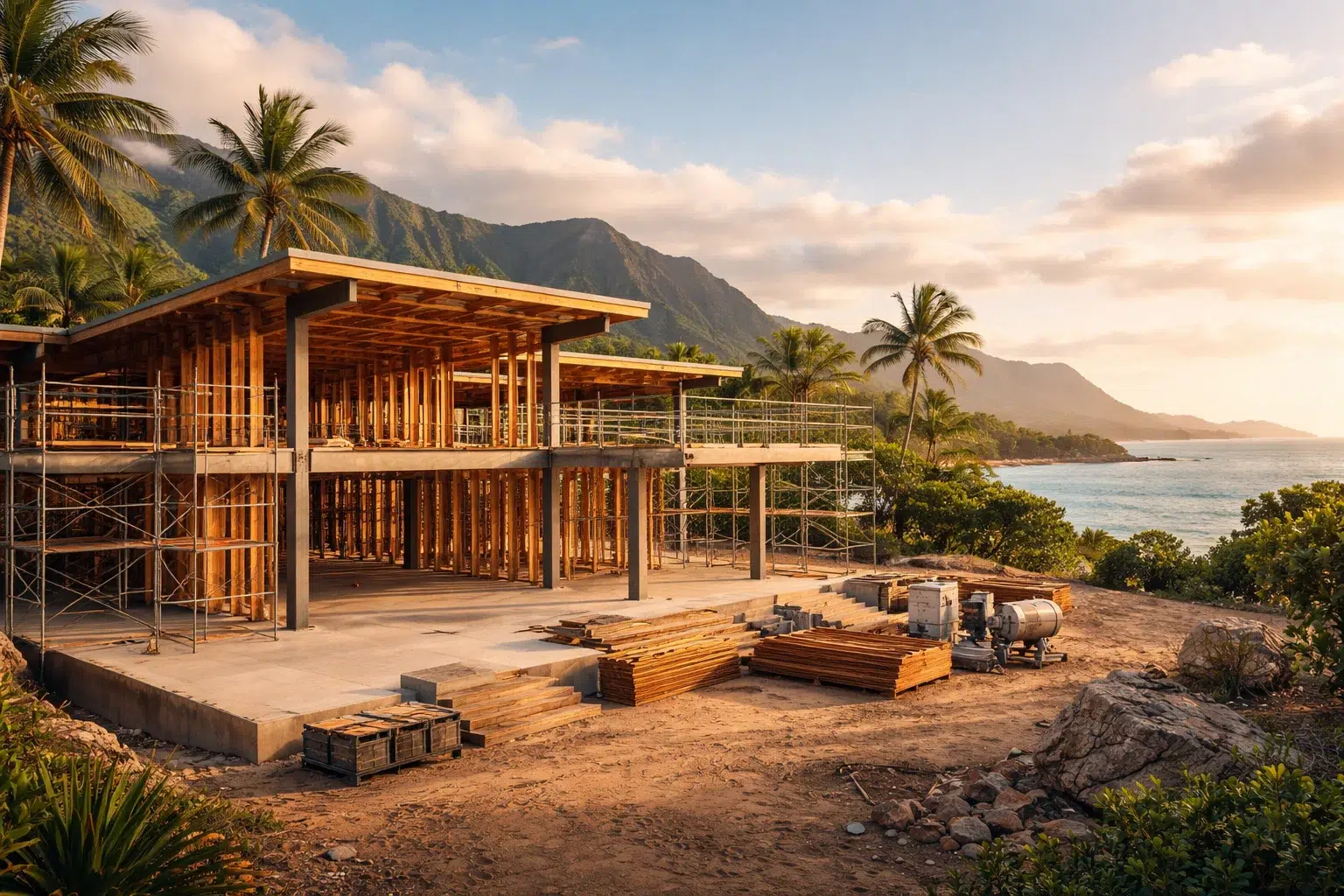
Step-4: Construction Phase
Licensed professionals complete framing, roofing, electrical, plumbing, and finishing work according to approved plans. Regular communication ensures transparency and keeps you informed throughout the build process.
Step-5: Final Walkthrough and Completion
After inspections are finalized, we conduct a comprehensive walkthrough to confirm workmanship and functionality. Your satisfaction and understanding of new systems remain priorities before project completion.
Frequently Asked Questions
How long do custom home additions typically take in Hawaii?
Do I need permits for custom home additions?
How are costs determined for custom home additions?
Can I live in my home during construction?
Will a custom home addition increase my property value?
Start Planning Your Custom Home Addition in Hawaii Today
If you are considering expanding your living space, now is the time to explore how custom home additions can enhance comfort, functionality, and long-term value. Contact United Construction Group Hawaii to schedule a consultation and receive guidance tailored specifically to your property goals.