
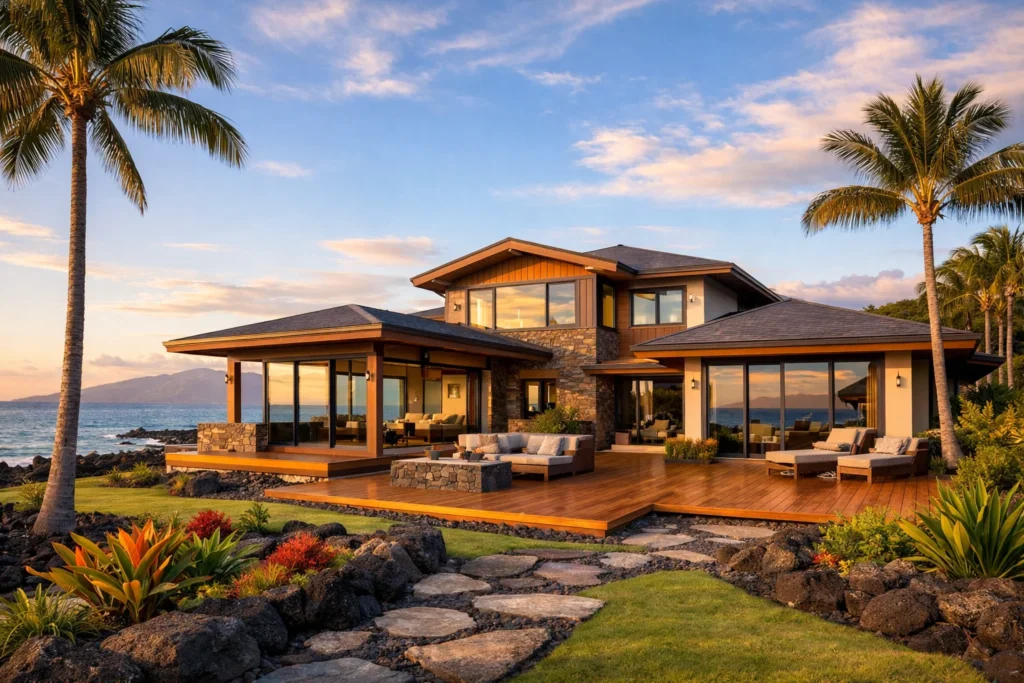
Residential Construction and Renovation in Hawaii: What Homeowners Need to Know
Planning residential construction and renovation in Hawaii involves more than choosing finishes or expanding square footage. Island climate, permitting requirements, and material logistics all influence how projects are designed, budgeted, and completed across Oahu, Maui, Kauai, and the Big Island.
This guide explains timelines, costs, design options, and contractor considerations specific to Hawaii homeowners. Whether you are remodeling an older plantation-style house or building new, understanding local construction realities helps you make confident, informed decisions from concept through completion.
Understanding Residential Construction and Renovation for Hawaii Homes
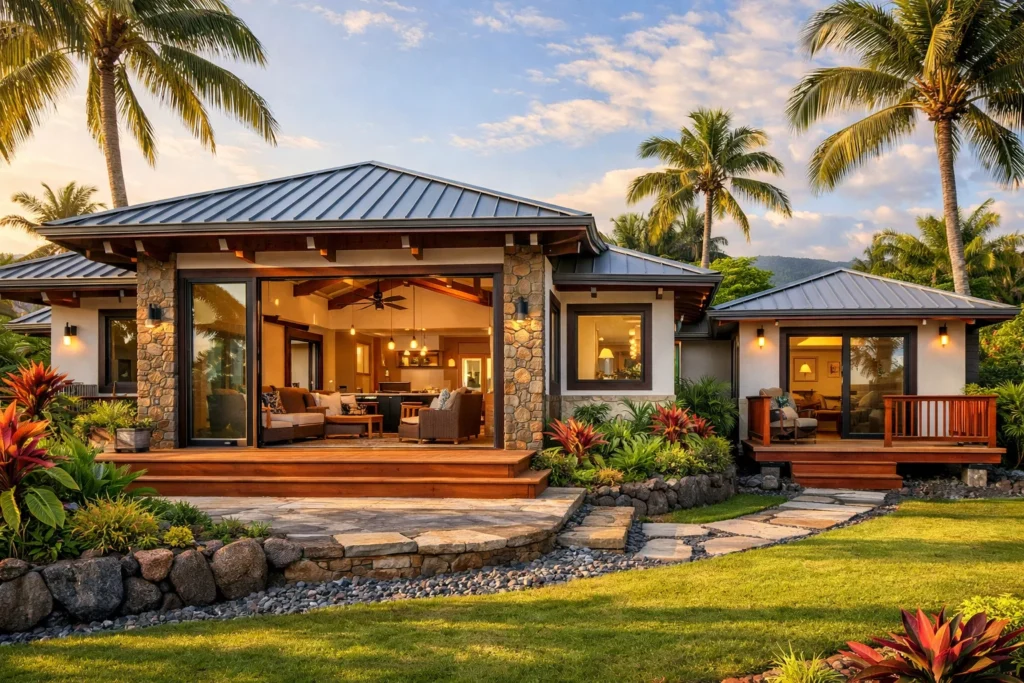
Residential construction and renovation in Hawaii refers to new home builds, structural additions, whole-home remodels, and targeted upgrades designed to improve safety, comfort, and property value while meeting island building codes, climate demands, and long-term durability expectations.
Climate-Responsive Design and Materials
Hawaii’s humidity, salt air, intense sun exposure, and occasional heavy rains require residential construction and renovation strategies that prioritize corrosion-resistant fasteners, moisture barriers, proper ventilation, and durable exterior finishes that withstand coastal conditions and reduce long-term maintenance concerns.
Navigating County Permitting Requirements
Each county in Hawaii enforces specific building codes, zoning rules, and shoreline setback regulations. Residential construction and renovation projects often require detailed plans, structural calculations, and inspections to ensure compliance with safety, environmental, and community development standards.
Renovating Older Island Homes
Many Hawaii properties were built decades ago using materials and methods no longer standard. Residential construction and renovation may involve upgrading electrical systems, improving foundations, reinforcing framing, and addressing termite damage while preserving architectural character and local charm.
Planning for Multi-Generational Living
Ohana living is common across the islands. Residential construction and renovation frequently include accessory dwelling units, expanded kitchens, or separate entrances that accommodate extended family while maintaining privacy, efficient layouts, and compliance with zoning regulations.
Key Benefits of Residential Construction and Renovation for Homeowners
Investing in residential construction and renovation allows homeowners to adapt properties to changing lifestyles, improve energy efficiency, and enhance long-term resilience. In Hawaii’s competitive housing market, thoughtful improvements can significantly increase both daily comfort and overall property value.
- Improved structural safety and code compliance
- Enhanced energy efficiency through better insulation and ventilation
- Increased property value in Hawaii’s high-demand neighborhoods
- Better functionality for growing or multi-generational families
- Modernized kitchens, bathrooms, and living spaces
- Reduced maintenance through durable, climate-appropriate materials
- Opportunity to incorporate sustainable building practices
Popular Design and Renovation Options in Hawaii
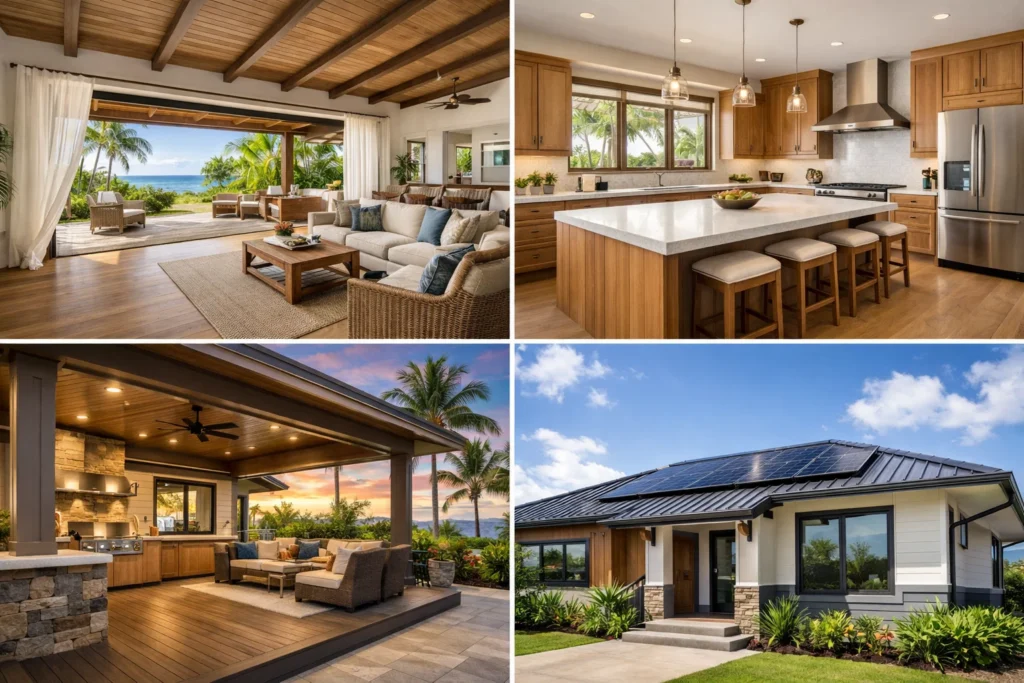
Homeowners across Hawaii often balance practical improvements with lifestyle-driven upgrades. The following options reflect common priorities seen in island residential construction and renovation projects.
Open-Concept Living Spaces
Removing non-load-bearing walls to create open layouts improves airflow and natural light. In residential construction and renovation projects, open-concept designs support indoor-outdoor living, making lanais and sliding glass doors feel like natural extensions of interior gathering spaces.
Kitchen Expansions with Island Seating
Modern Hawaii homes often prioritize large kitchens for entertaining. Residential construction and renovation may include expanding cabinetry, adding oversized islands, upgrading appliances, and integrating durable countertops that resist humidity and heavy daily use.
Outdoor Living Enhancements
Decks, covered lanais, and outdoor kitchens are popular additions. Residential construction and renovation frequently focuses on weather-resistant materials and structural reinforcements to ensure these spaces withstand wind loads and coastal exposure.
Energy-Efficient Upgrades
Solar-ready roofing, upgraded windows, and improved insulation are practical investments. Residential construction and renovation projects that prioritize energy efficiency help reduce utility costs while increasing long-term sustainability in Hawaii’s warm climate.
Cost Factors to Consider Before Starting Your Project
Understanding what drives construction costs helps homeowners plan realistically. Residential construction and renovation expenses in Hawaii are influenced by labor availability, shipping costs for materials, permitting timelines, and the complexity of structural changes.
| Cost Factor | What It Includes | Why It Matters in Hawaii |
|---|---|---|
|
Project Scope |
Size, structural changes, design complexity |
Larger or structural projects require engineering and longer timelines |
|
Materials |
Lumber, concrete, finishes, fixtures |
Many materials are imported, affecting pricing and lead times |
|
Permits |
County applications, inspections, and plan reviews |
Required for compliance and can influence project scheduling |
|
Labor |
Skilled trades, supervision, specialty contractors |
High demand for licensed professionals impacts availability |
|
Timeline |
Construction duration and sequencing |
Weather and inspections can affect scheduling |
Careful planning and transparent budgeting reduce unexpected costs. While exact pricing depends on individual project details, working with experienced professionals ensures realistic estimates and clear communication throughout each construction phase.
Why Professional Contractors Matter in Hawaii
Choosing experienced professionals for residential construction and renovation ensures your project aligns with Hawaii’s unique environmental conditions, building codes, and logistical realities. Skilled contractors coordinate trades, manage inspections, and protect your investment from preventable structural or compliance issues.
- Local expertise in island climate and materials
- Knowledge of county permits and inspection processes
- Proper licensing, insurance, and liability coverage
- Construction techniques built for salt air and humidity
- Long-term value through quality craftsmanship and planning
Residential Construction and Renovation: 6 Smart Expert Tips
1. Plan Thoroughly Before Finalizing Designs
Successful residential construction and renovation begin with detailed planning. Clarify goals, budget ranges, must-have features, and future needs before finalizing architectural drawings to prevent mid-project changes that increase costs and extend timelines unnecessarily.
2. Understand Zoning and Property Restrictions
Before starting residential construction and renovation, review zoning classifications, shoreline setbacks, and neighborhood covenants. Early verification helps avoid redesigns, delays, or denied permits that can disrupt carefully planned construction schedules.
3. Prioritize Structural Integrity First
Cosmetic upgrades are important, but residential construction and renovation should first address foundations, framing, roofing, and moisture protection to ensure long-term safety and resilience in Hawaii’s demanding climate.
4. Choose Durable, Climate-Appropriate Materials
Selecting materials designed for humidity, salt exposure, and sun intensity improves longevity. Residential construction and renovation projects benefit from corrosion-resistant hardware, treated lumber, and finishes specifically rated for tropical environments.
5. Build with Energy Efficiency in Mind
Incorporating insulation improvements, ventilation strategies, and solar-ready infrastructure during residential construction and renovation reduces long-term energy costs and enhances comfort in Hawaii’s warm climate.
6. Work with Licensed, Experienced Professionals
Residential construction and renovation require coordination between designers, engineers, and contractors. Hiring licensed professionals ensures code compliance, quality workmanship, and a smoother overall experience from pre-construction planning to final inspection.
Why Homeowners Trust United Construction Group Hawaii
United Construction Group Hawaii brings years of hands-on experience managing residential construction and renovation projects across the islands. Our team understands local permitting processes, climate demands, and the importance of transparent communication from initial consultation through final walkthrough.
Homeowners trust our commitment to craftsmanship, realistic timelines, and clear budgeting. We approach every residential construction and renovation project with careful planning, attention to structural integrity, and respect for each client’s vision, ensuring durable results built for Hawaii living.
Testimonials
“Brandon and the United Construction crew are very professional and they know what they are doing!” – Alvaro Guarana Jr.
“Brandon and his team are fantastic! Their response time is always quick, and the quality of their work is consistently excellent. Both myself and my clients have been very happy with the results. Highly recommend them for their professionalism and reliability. Thank you!” – Miki Kojima
“You would be hard pressed to find a more honest, reliable, and fair priced company to work with than UCG! Consider yourself lucky if you have the opportunity to work with Brandon and his company!” – Jesse Alverio
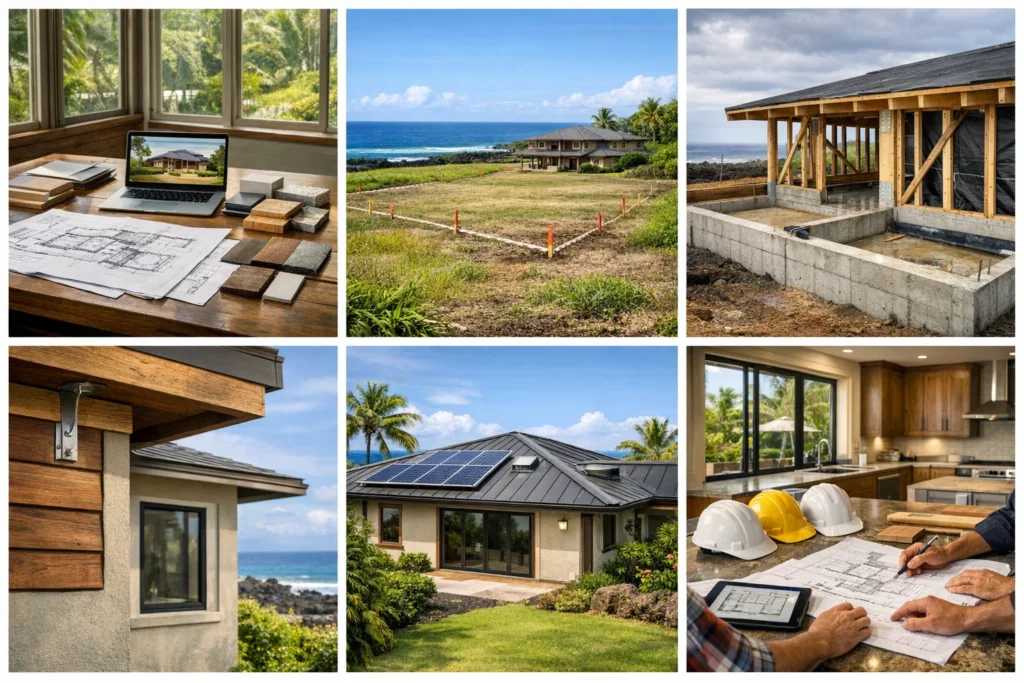
How It Works: Our Step-by-Step Process
Step-1: Initial Consultation and Site Evaluation
We begin with an in-depth consultation to understand your goals, evaluate existing conditions, and discuss budget expectations. Site assessments help identify structural considerations, zoning requirements, and potential challenges before design development begins.
Step-2: Design and Pre-Construction Planning
Detailed plans are created in collaboration with designers and engineers. During this phase, we finalize scope, select materials, prepare permit applications, and establish a realistic construction schedule tailored to Hawaii’s regulatory environment.
Step-3: Permitting and Approvals
Our team coordinates the submission of required documents to county agencies. We monitor review progress, respond to comments, and schedule inspections to maintain forward momentum while ensuring compliance with all local building regulations.
Step-4: Construction and Project Management
Licensed trades execute the work under experienced supervision. We maintain communication, manage timelines, and address unforeseen issues promptly to keep your residential construction and renovation project progressing efficiently.
Step-5: Final Walkthrough and Completion
After construction is complete, we conduct a detailed walkthrough to confirm quality standards and address final adjustments. Project documentation and approvals are finalized, ensuring your home is ready for comfortable, long-term use.
Frequently Asked Questions
How long does residential construction and renovation typically take in Hawaii?
Do I need permits for most renovation projects?
How are construction costs determined?
Can I live in my home during renovation?
What should I prepare before starting a project?
Start Your Residential Construction and Renovation Project in Hawaii Today
If you are considering residential construction and renovation in Hawaii, our team is ready to provide clear guidance and professional insight. Schedule a consultation with United Construction Group Hawaii to discuss your goals, evaluate your property, and plan a project built for lasting island durability.