Residential Projects Hawaii in Hawaii: What Homeowners Need to Know
Residential projects Hawaii are shaping how local families plan, design, and build homes suited for island living. From renovations to new construction, understanding regional requirements, materials, and timelines helps homeowners make informed decisions before committing to major residential improvements.
Hawaii’s climate, permitting environment, and neighborhood diversity make residential projects uniquely complex. This guide explains what homeowners should know when planning residential projects Hawaii, including benefits, popular options, cost considerations, and why working with experienced local professionals ensures durable, compliant, and valuable results.
Understanding Residential Projects Hawaii for Hawaii Homes

Residential projects Hawaii include renovations, additions, and new construction tailored to island conditions. These projects often address aging housing stock, growing families, or modernization needs while respecting zoning rules, climate demands, and long-term durability expectations unique to Hawaii communities.
Climate and Environmental Considerations
Hawaii’s tropical climate requires residential projects Hawaii to prioritize moisture control, ventilation, and weather-resistant materials. Salt air, heavy rainfall, and strong sun exposure influence structural choices, finishes, and maintenance planning to ensure homes remain comfortable, safe, and resilient year-round.
Permitting and Zoning Requirements
Residential projects Hawaii must comply with county permitting processes and zoning regulations. Homeowners should anticipate review timelines, inspections, and documentation requirements. Understanding these steps early helps prevent delays, ensures compliance, and keeps projects aligned with local building codes and neighborhood guidelines.
When Homeowners Should Consider Residential Projects
Residential projects Hawaii become necessary when homes need structural updates, functional improvements, or expansions. Common triggers include growing households, outdated layouts, storm damage repairs, or long-term investment planning aimed at improving property value and livability across Hawaii’s diverse communities.
Key Benefits of Residential Projects Hawaii for Homeowners
Residential projects Hawaii offer homeowners opportunities to improve comfort, functionality, and long-term value. Thoughtfully planned projects address local living needs while enhancing durability and efficiency. Understanding these benefits helps homeowners prioritize improvements that align with lifestyle goals and property investment strategies.
- Improved indoor comfort through better airflow, insulation, and layouts designed for island climates
- Increased property value by modernizing spaces and meeting current building standards
- Enhanced energy efficiency with updated systems and sustainable material choices
- Customized living spaces tailored to family needs and local lifestyle preferences
- Long-term durability by addressing climate-related wear and structural resilience
Popular Residential Project Options in Hawaii

Homeowners across the islands pursue residential projects Hawaii that balance practicality and lifestyle upgrades. The following options reflect common priorities, from functional renovations to higher-end enhancements, helping homeowners decide which projects best fit their goals and budgets.
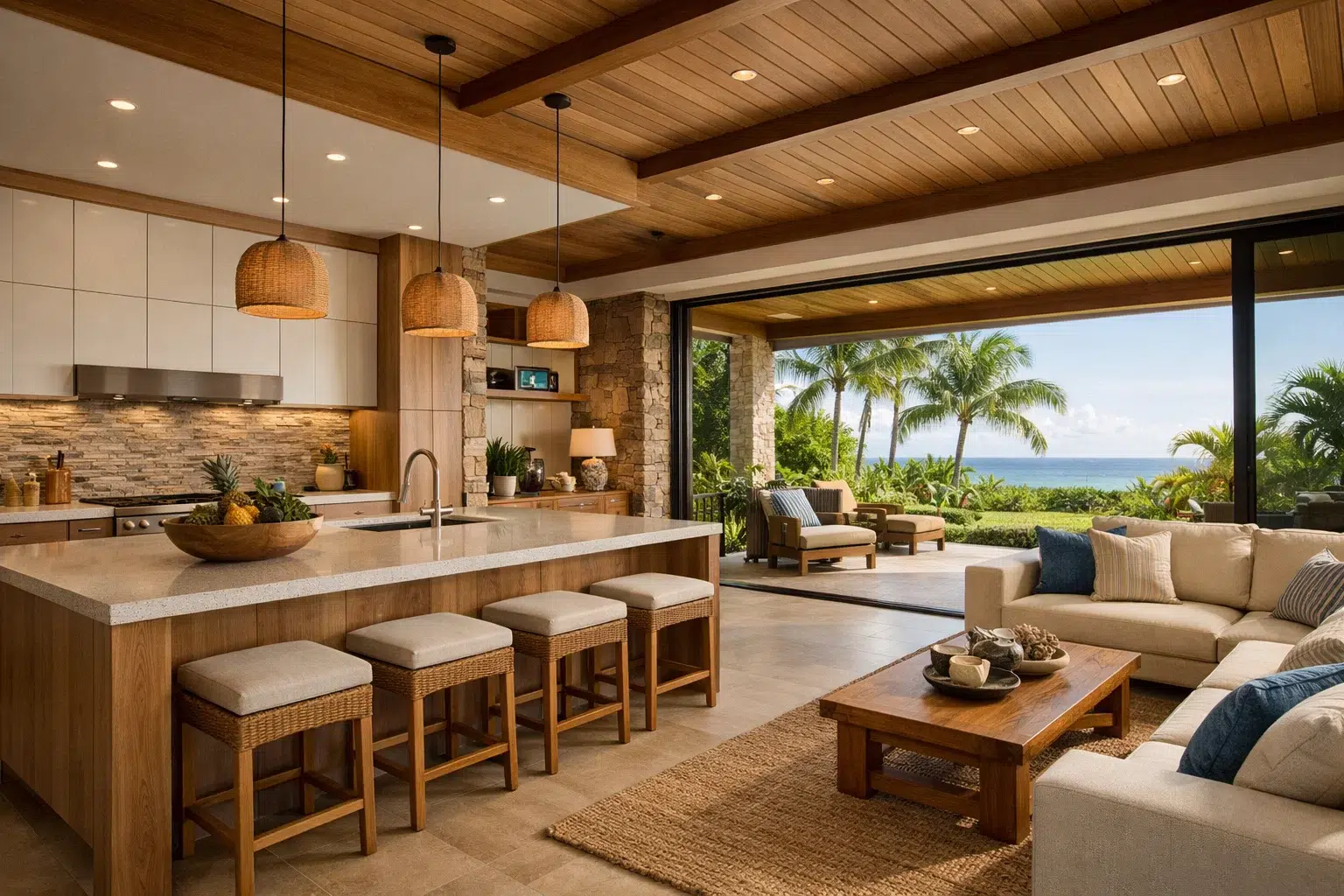
- Kitchen renovations focused on open layouts, durable finishes, and improved ventilation
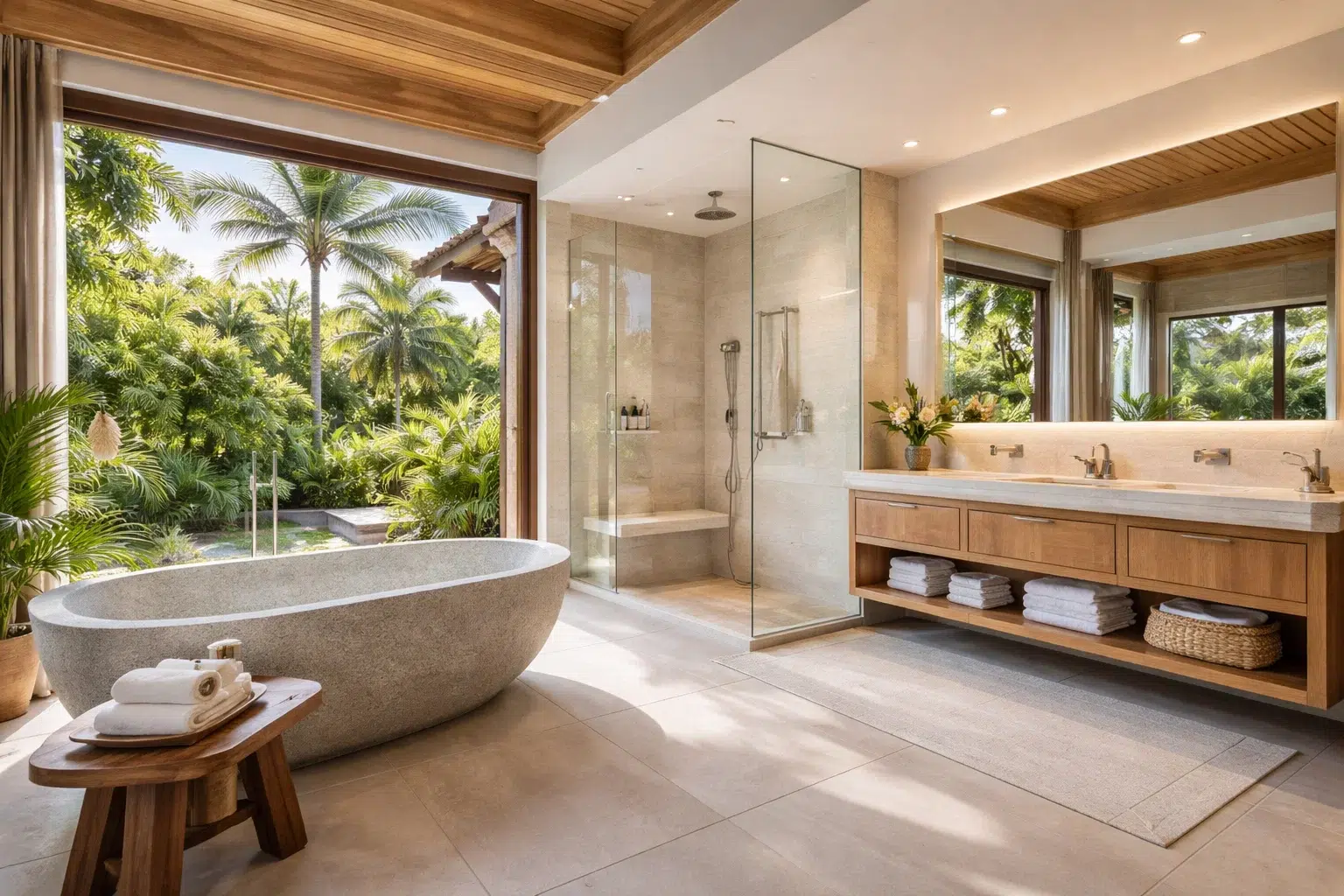
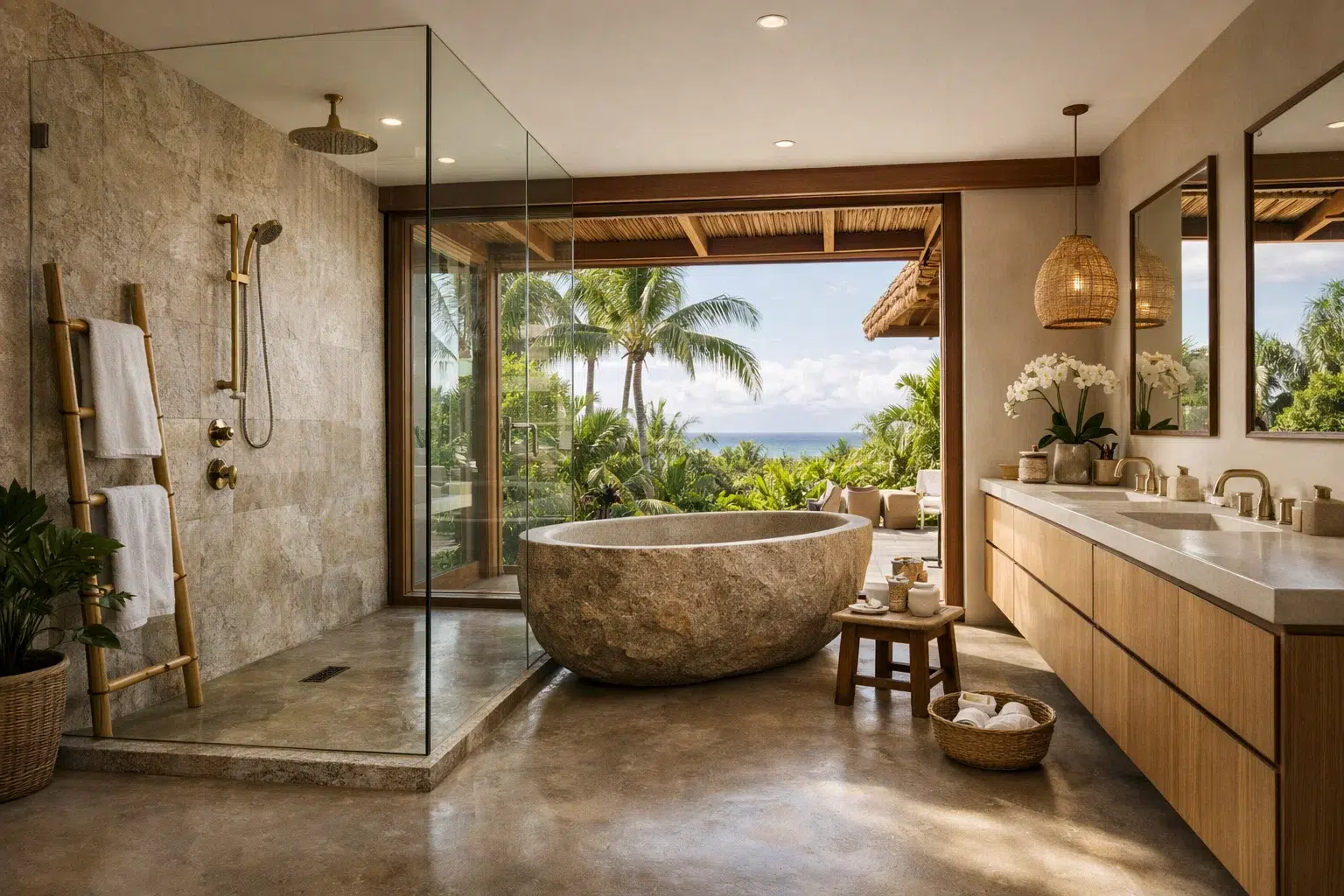
- Bathroom remodels emphasizing moisture resistance, accessibility, and modern fixtures
- Home additions creating extra bedrooms, living areas, or multigenerational spaces
- Outdoor living spaces such as lanais, decks, and covered patios
- New residential construction designed for long-term occupancy and resale flexibility
Cost Factors to Consider Before Starting Your Project
Residential projects Hawaii involve multiple cost variables that homeowners should evaluate early. Planning for these factors helps establish realistic budgets and timelines while reducing surprises during construction. Costs vary based on project scope, material selection, permitting requirements, and labor availability across the islands.
| Cost Factor | Considerations |
|---|---|
|
Project Scope |
Size, complexity, and type of residential project |
|
Materials |
Availability, durability, and climate-appropriate selections |
|
Permits |
County fees, reviews, and inspection requirements |
|
Labor |
Skilled local workforce and scheduling availability |
|
Timeline |
Weather, inspections, and supply chain impacts |
Carefully reviewing these elements allows homeowners to prioritize needs, phase projects if necessary, and make informed decisions that align with both short-term budgets and long-term home value goals.
Why Professional Contractors Matter in Hawaii
Residential projects Hawaii benefit significantly from professional contractors who understand island-specific challenges. Local expertise ensures projects meet code requirements, withstand environmental conditions, and progress efficiently from planning through completion while protecting homeowners from unnecessary risks and costly mistakes.
- Knowledge of Hawaii building codes, zoning laws, and permit processes
- Experience managing moisture, wind exposure, and material durability
- Proper licensing, insurance, and safety compliance
- Established relationships with local inspectors and suppliers
- Focus on long-term value and structural integrity
Residential Projects Hawaii: 6 Ultimate Proven Home Results

1. Strategic Project Planning
Successful residential projects Hawaii begin with detailed planning that considers homeowner goals, site conditions, and regulatory requirements. Clear scopes, realistic timelines, and informed material selections help prevent delays while ensuring projects progress smoothly from concept through completion.
2. Climate-Responsive Design
Designing residential projects Hawaii around climate conditions improves comfort and durability. Proper ventilation, moisture management, and sun protection strategies reduce long-term maintenance while supporting healthier indoor environments suited to Hawaii’s year-round weather patterns.
3. Quality Material Selection
Residential projects Hawaii rely on materials chosen for island durability. Selecting finishes and structural components resistant to humidity, salt air, and sun exposure helps maintain appearance and performance, reducing repair costs and extending the lifespan of completed residential improvements.
4. Code-Compliant Construction
Adhering to local building codes is essential for residential projects Hawaii. Professional oversight ensures structural integrity, safety standards, and inspection approvals are met, protecting homeowners from legal complications and ensuring projects remain compliant throughout construction and future resale.
5. Efficient Project Management
Strong project management keeps residential projects Hawaii on schedule. Coordinating trades, inspections, and deliveries minimizes downtime, manages weather-related challenges, and maintains consistent progress, helping homeowners plan around construction with fewer disruptions.
6. Long-Term Home Value
Well-executed residential projects Hawaii contribute to lasting property value. Thoughtful upgrades, quality workmanship, and compliance with local standards make homes more appealing, functional, and resilient, benefiting homeowners both during occupancy and when considering future resale opportunities.
Why Homeowners Trust United Construction Group Hawaii
United Construction Group Hawaii brings hands-on experience with residential projects Hawaii, combining technical knowledge, local insight, and clear communication. Homeowners value consistent craftsmanship, transparent processes, and dependable timelines that support confident decision-making throughout every stage of residential construction.
Their team prioritizes reliability, accountability, and long-term performance. By focusing on quality materials, code compliance, and practical solutions, United Construction Group Hawaii helps homeowners navigate complex residential projects while delivering results that align with island living expectations.
Testimonials
“Brandon and the United Construction crew are very professional and they know what they are doing!” – Alvaro Guarana Jr.
“Brandon and his team are fantastic! Their response time is always quick, and the quality of their work is consistently excellent. Both myself and my clients have been very happy with the results. Highly recommend them for their professionalism and reliability. Thank you!” – Miki Kojima
“You would be hard pressed to find a more honest, reliable, and fair priced company to work with than UCG! Consider yourself lucky if you have the opportunity to work with Brandon and his company!” – Jesse Alverio
How It Works: Our Step-by-Step Process
Step-1: Initial Consultation
Residential projects Hawaii begin with an in-depth consultation to understand homeowner goals, property conditions, and budget considerations. This step establishes clear expectations, identifies potential challenges, and outlines preliminary solutions aligned with Hawaii-specific building requirements.
Step-2: Design and Planning
During planning, residential projects Hawaii are translated into detailed designs and scopes. Material selections, timelines, and permit needs are finalized, creating a structured roadmap that guides construction while keeping homeowners informed and prepared.
Step-3: Permitting and Approvals
Securing permits is a critical phase of residential projects Hawaii. Professionals manage submissions, revisions, and inspections, helping reduce delays and ensuring all work complies with county regulations and safety standards.
Step-4: Construction Phase
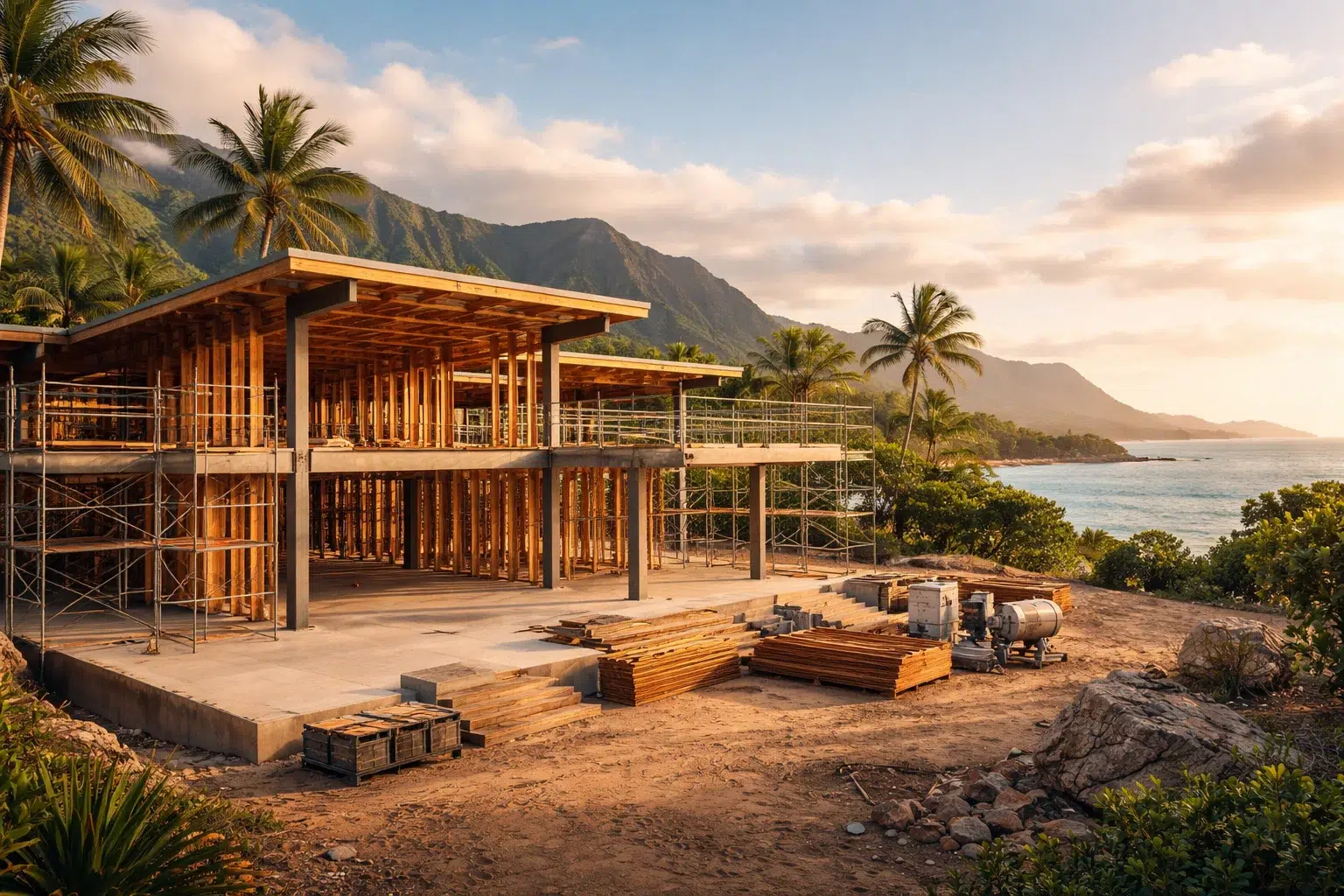
Construction brings residential projects Hawaii to life through coordinated trades and quality oversight. Consistent communication keeps homeowners updated while skilled workmanship ensures each phase meets design intent and durability expectations.
Step-5: Final Review and Completion
Residential projects Hawaii conclude with final inspections and walkthroughs. This step confirms quality, addresses remaining details, and ensures homeowners are confident in the finished results before full project closeout.
Frequently Asked Questions
How long do residential projects Hawaii typically take?
Are permits required for residential projects Hawaii?
How can homeowners prepare to live through construction?
What factors most influence project costs?
Can projects be completed in phases?
Start Planning Your Residential Project in Hawaii Today
Residential projects Hawaii require thoughtful planning, local expertise, and reliable execution. Homeowners considering renovations, additions, or a new home construction can benefit from professional guidance that clarifies options, manages complexity, and supports confident decisions aligned with Hawaii’s unique building environment.