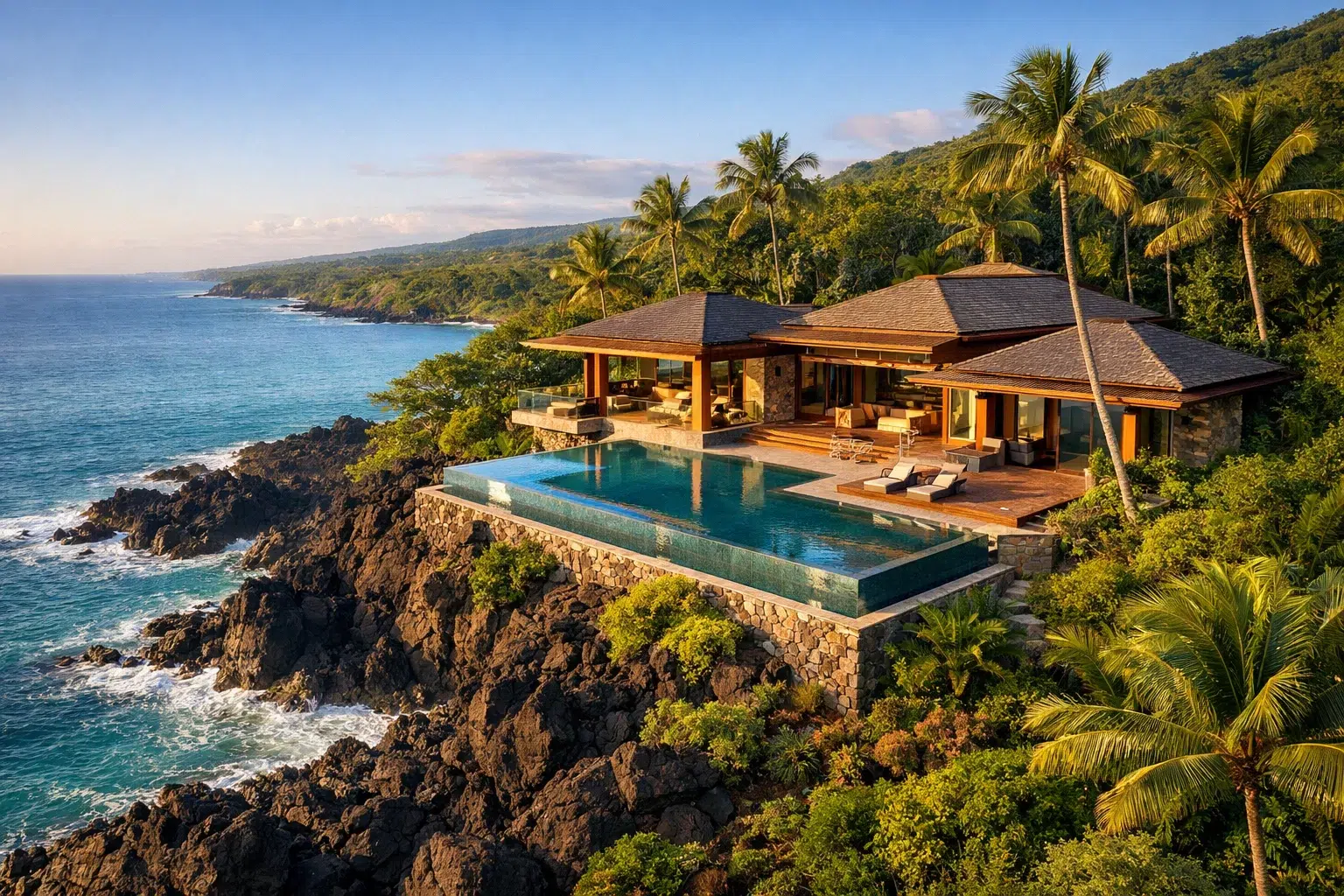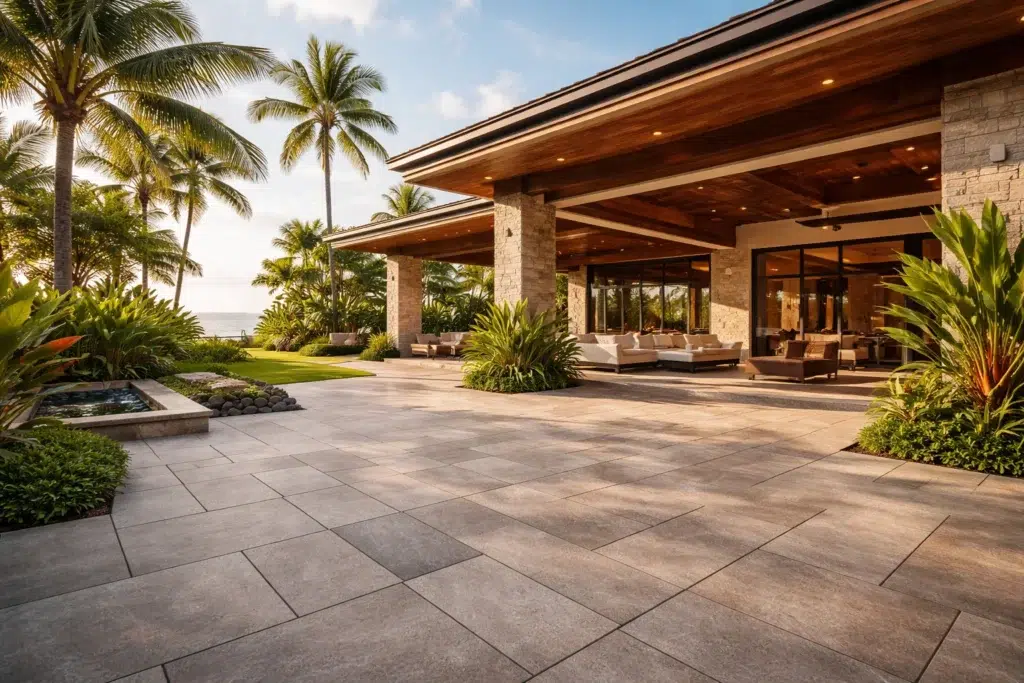
Patio Construction in Hawaii: What Property owners Need to Know
Patio construction plays an important role for Hawaii-based property owners seeking to expand their living and commercial space while enjoying the island’s tropical climate all year-round. From coastal durability to permitting considerations, understanding how patios function locally helps homeowners plan outdoor spaces that enhance comfort, functionality, and long-term property value.
In Hawaii, patio construction must balance lifestyle goals with environmental exposure, zoning requirements, and material performance. This guide explains planning fundamentals, popular design options, cost factors, and professional considerations homeowners should understand before starting a patio project designed for island living.
Understanding Patio Construction for Hawaii-based Structures
Patio construction refers to the design and building of outdoor living spaces connected to a home or a commercial structure, typically using concrete, stone, pavers, or wood. In Hawaii, patios must address moisture, salt air, sun exposure, drainage, and building regulations to ensure lasting performance.
Climate and Environmental Considerations
Patio construction in Hawaii must account for intense sun, heavy rainfall, humidity, and coastal salt exposure. Proper drainage, UV-resistant finishes, and corrosion-resistant fasteners help prevent cracking, fading, and premature material deterioration over time.
Structural and Site Requirements
Successful patio construction depends on proper site preparation, grading, and foundation work. Sloped lots, lava rock soil, and drainage patterns influence patio design, requiring professional evaluation to avoid settling, erosion, or water intrusion near the home.
When Should Property Owners Consider a Patio
Homeowners and commercial property owners often pursue patio construction when expanding entertainment areas, improving indoor-outdoor flow, or increasing property usability. Patios are ideal during remodels, yard upgrades, or when enhancing outdoor comfort without fully enclosing a new living space.
Commercial Patio Engineering Fundamentals
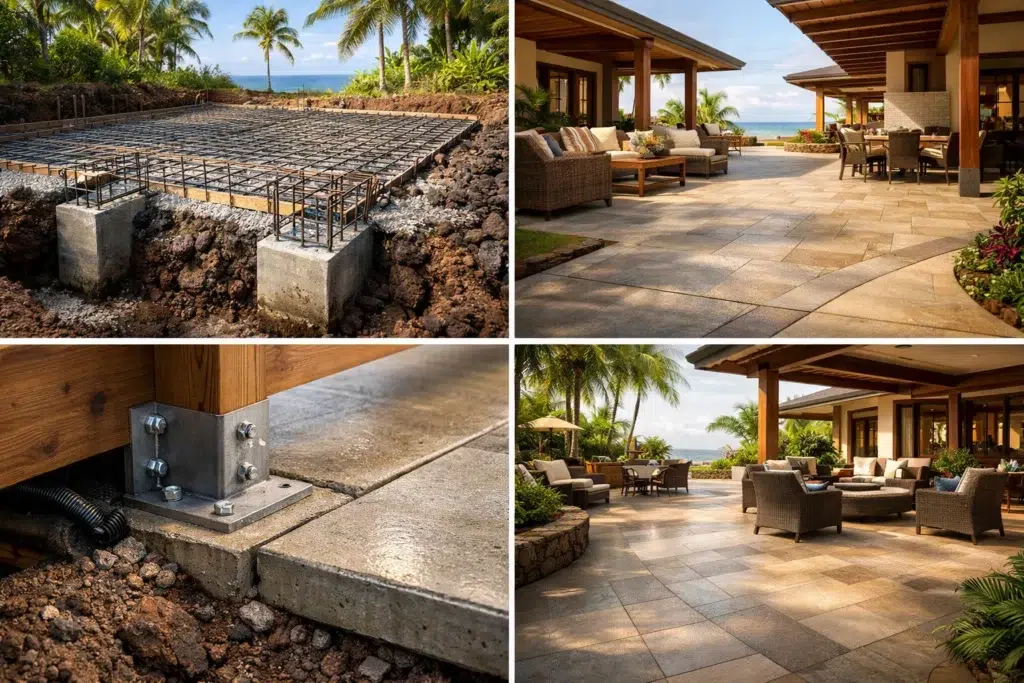
Want to know the secret behind patios that last for decades?
Building a commercial patio isn’t like putting together your backyard deck. These spaces need to accommodate hundreds of people, handle heavy furniture, and withstand weather extremes – all while maintaining a professional appearance for your business.
Here is a breakdown of steps when planning commercial patio structures:
Load-Bearing Calculations
Every square foot of your commercial patio needs to support about 100 pounds of weight – that’s the rule of thumb for basic retail spaces. But here’s what most people don’t know:
- Restaurants need 150+ pounds per square foot
- Bars and nightclubs should plan for 200+ pounds
- Shopping centers require 250+ pounds minimum
Foundation Depth
Proper foundation depth is essential in patio construction, ensuring long-term stability, load support, and resistance to soil movement, climate conditions, and daily use across residential and commercial outdoor living spaces.
- 24 inches deep in warm climates
- 36 inches deep in freeze-thaw zones
- 48 inches deep for heavy-traffic areas
Compliance and Accessibility Standards
Compliance and accessibility standards ensure your commercial patio is safe, inclusive, and code-compliant. Following ADA guidelines helps prevent penalties, avoid delays, and create a functional space for all users.
- 36-inch wide paths minimum
- Slopes no steeper than 1:12
- Non-slip pavers or surfaces
- Clear turning space (5×5 feet) every 200 feet
Getting Permits
Obtaining permits before construction confirms your patio meets building, safety, and zoning codes. Proper approvals reduce risk, support insurance requirements, and help prevent costly revisions or project interruptions.
- Site plan approval
- Structural engineering sign-off
- Fire marshal inspection
- Certificate of occupancy
Material Selection for High-Traffic Areas
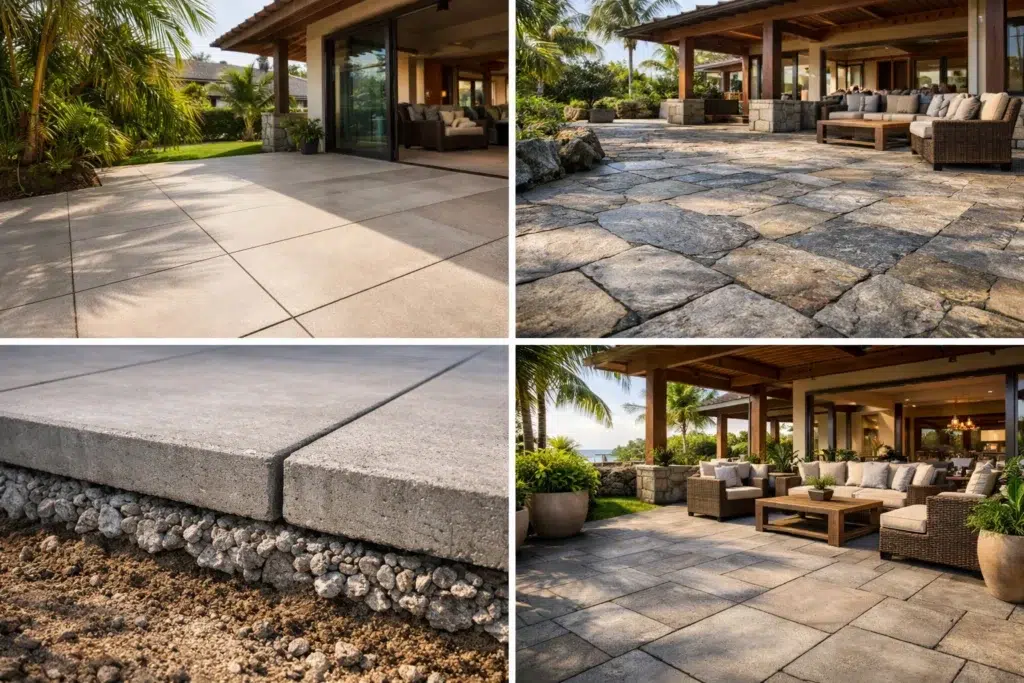
Selecting durable materials for high-traffic patio areas is essential to ensure long-term performance, safety, and appearance. The right choice balances strength, longevity, and maintenance demands while withstanding constant foot traffic and environmental exposure.
Top-Performing Paver Options
High-performing paver materials are selected based on durability, load capacity, lifespan, and maintenance requirements. These options consistently perform well in commercial and residential high-traffic environments where long-term reliability is a priority.
- Porcelain pavers: Last 50+ years, handle 2,000+ pounds of weight, and need zero sealing
- Natural stone: Granite and bluestone top the charts with 100+ year lifespans
- Concrete pavers: Cost $5-15 per square foot and can take 8,000+ pounds per square inch
Installation Complexity Guide
Understanding installation complexity helps homeowners plan timelines, labor requirements, and overall costs. Different paver materials vary significantly in handling, preparation, and skill level, directly influencing installation efficiency and long-term performance.
- Porcelain: Needs expert installation due to precise cutting requirements
- Natural stone: Heaviest to work with, requires special tools
- Concrete pavers: Most DIY-friendly, interlocking systems make layout simple
Popular Patio Construction Options in Hawaii
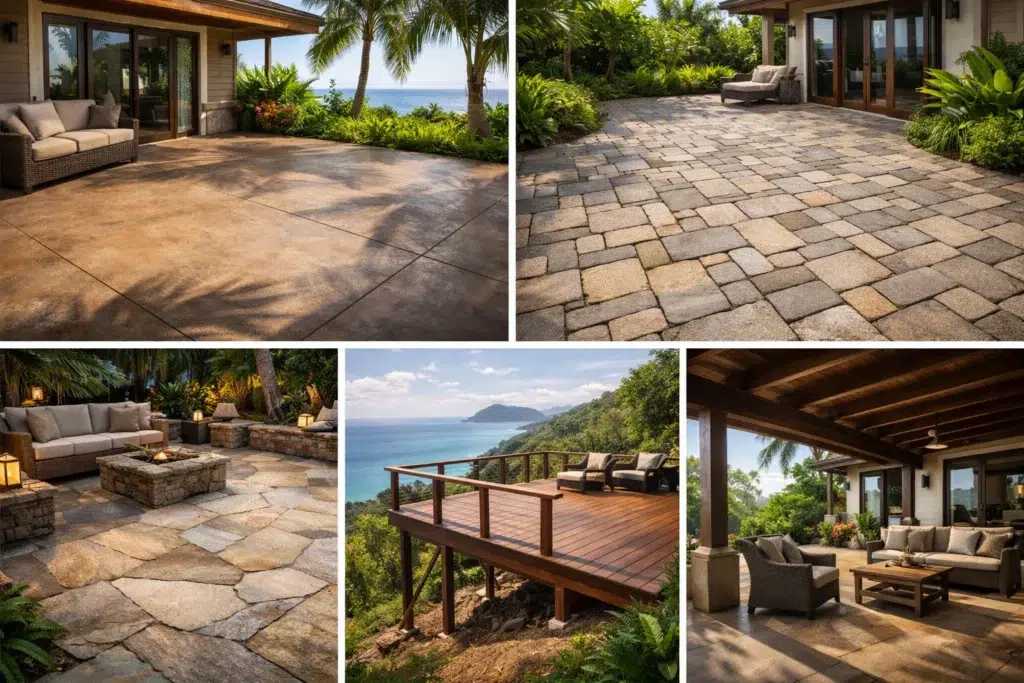
Hawaii property owners choose patio construction options based on durability, maintenance needs, aesthetics, and how well materials perform in island conditions.
Concrete Patios: Durable, low-maintenance, and versatile for stamped or stained finishes
Paver Patios: Modular stone systems allowing drainage flexibility and design patterns
Natural Stone Patios: Premium appearance with strong durability for luxury outdoor spaces
Wood or Composite Deck-Style Patios: Elevated options for sloped properties or views
- Covered Patios: Roofed structures providing shade and rain protection year-round
Cost Factors to Consider Before Starting Your Project
Patio construction costs vary depending on site conditions, material selection, design complexity, and permitting requirements. Hawaii’s logistics, labor standards, and environmental considerations also influence overall project investment.
| Cost Factor | Description |
|---|---|
|
Project Scope |
Size, shape, elevation changes, and integrated features |
|
Materials |
Concrete, pavers, stone, wood, or composite selections |
|
Permits |
County approvals, zoning compliance, and inspections |
|
Labor |
Skilled local labor and construction expertise |
|
Timeline |
Weather conditions, material availability, and scheduling |
Understanding these factors helps homeowners plan realistic budgets while allowing flexibility for design choices and long-term durability without relying on fixed pricing assumptions.
Why Professional Contractors Matter in Hawaii
Patio construction in Hawaii benefits significantly from professional contractors who understand island conditions, building codes, and long-term material performance while guiding homeowners through planning, permitting, and construction stages with clarity.
- Knowledge of Hawaii-specific building codes and zoning rules
- Experience with coastal, hillside, and lava rock conditions
- Proper permitting, inspections, and regulatory compliance
- Safe construction practices and liability protection
- Durable construction methods suited for island climates
Patio Construction: 6 Proven Expert Tips for Superior Results
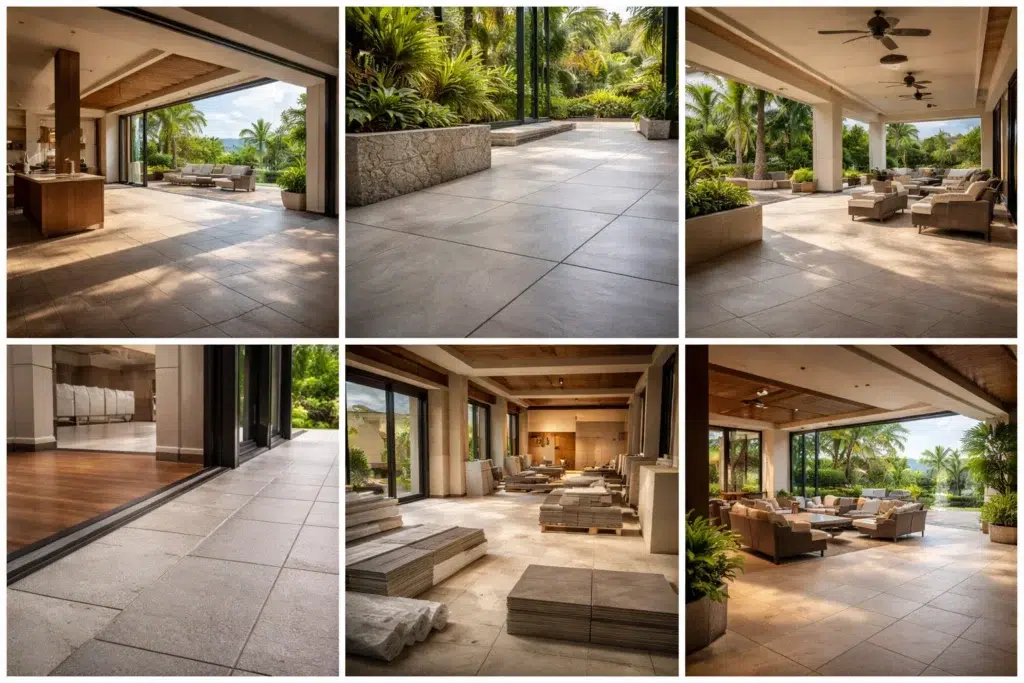
1. Expert Planning for Island Conditions
Patio construction planning begins with understanding Hawaii’s climate, soil conditions, and property layout. Thoughtful planning ensures patios manage water flow, sun exposure, and structural loads while integrating seamlessly with existing homes, structures, and surrounding landscapes.
2. Material Selection for Long-Term Durability
Choosing materials for patio construction in Hawaii requires evaluating resistance to moisture, UV rays, and salt air. Durable materials reduce maintenance demands while preserving appearance and structural integrity across changing weather conditions.
3. Code-Compliant Design and Permitting
Professional patio construction involves navigating Hawaii’s permitting processes and zoning rules. Code-compliant designs help prevent delays, ensure safety, and protect property owners from future compliance issues or costly reconstruction requirements.
4. Skilled Craftsmanship and Construction Quality
High-quality patio construction relies on skilled craftsmanship, proper installation techniques, and attention to detail. Professional builders ensure surfaces are level, joints are secure, and finishes withstand daily use and environmental exposure.
5. Project Management and Timeline Control
Effective patio construction includes coordinated scheduling, material sourcing, and clear communication. Professional oversight keeps projects organized, minimizes disruptions, and ensures construction progresses efficiently from preparation through final completion.
Why Property Owners Trust United Construction Group Hawaii
United Construction Group Hawaii brings years of hands-on experience delivering high-quality construction solutions tailored to island homes and commercial structures. Property owners value the team’s attention to detail, transparent communication, and commitment to craftsmanship that aligns with Hawaii’s unique environmental and regulatory requirements.
From planning through completion, United Construction Group Hawaii prioritizes reliability, safety, and durable results. Their professional approach ensures homeowners feel informed and confident while creating outdoor spaces designed for long-term enjoyment and island living.
Testimonials
“Brandon and the United Construction crew are very professional and they know what they are doing!” – Alvaro Guarana Jr.
“Brandon and his team are fantastic! Their response time is always quick, and the quality of their work is consistently excellent. Both myself and my clients have been very happy with the results. Highly recommend them for their professionalism and reliability. Thank you!” – Miki Kojima
“You would be hard pressed to find a more honest, reliable, and fair priced company to work with than UCG! Consider yourself lucky if you have the opportunity to work with Brandon and his company!” – Jesse Alverio
How It Works: Our Step-by-Step Process
Step-1: Initial Consultation and Site Review
The patio construction process begins with an on-site consultation to assess property conditions, property owner goals, and design preferences while identifying potential challenges related to drainage, access, or existing structures.
Step-2: Design and Planning Phase
During this phase, patio construction plans are developed to align layout, materials, and structural requirements with the property owner’s expectations, budget considerations, and Hawaii-specific building regulations.
Step-3: Permitting and Scheduling
Once designs are finalized, permits are secured and project timelines are established. Proper scheduling ensures materials, labor, and inspections are coordinated efficiently throughout construction.
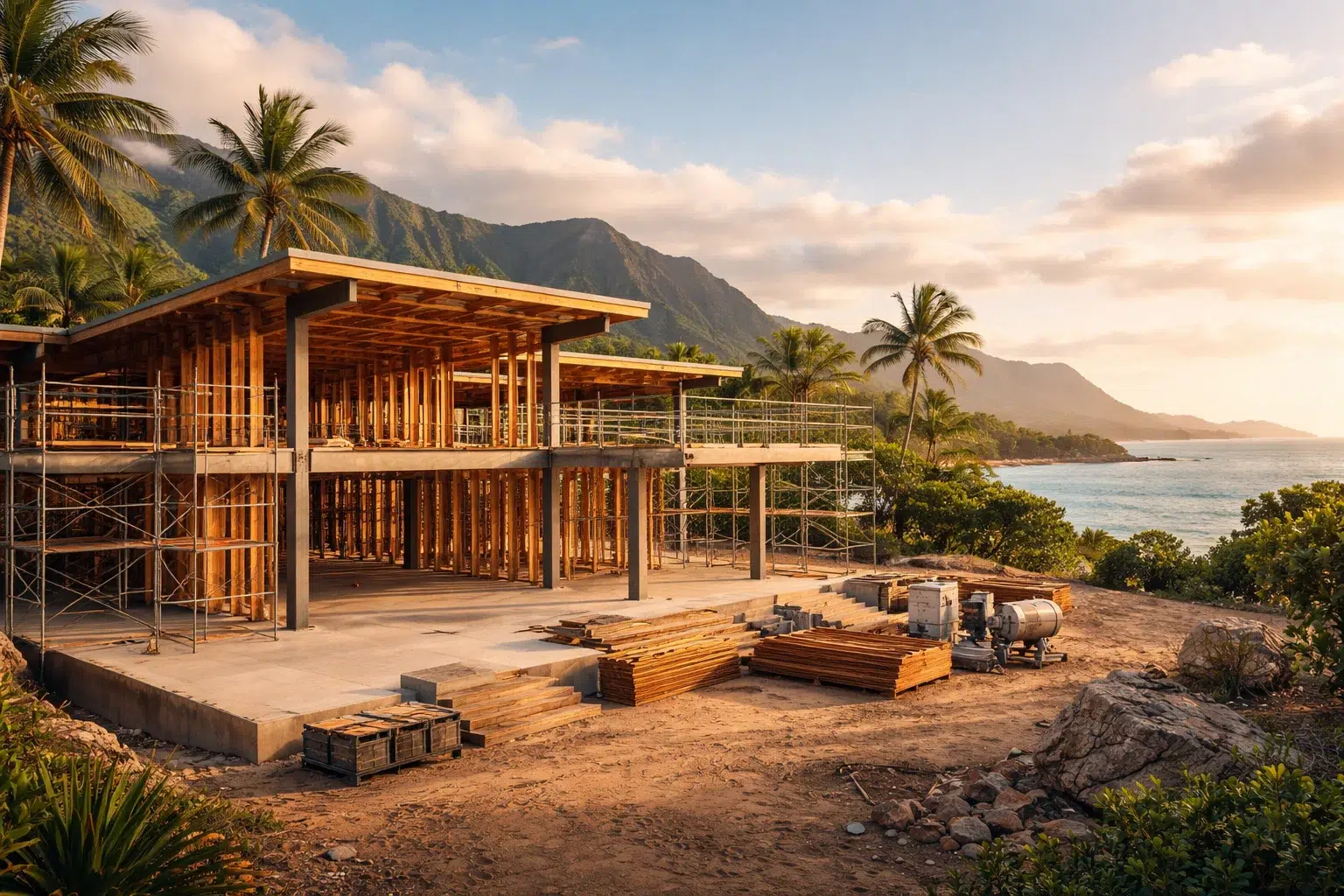
Step-4: Construction and Installation
Professional crews execute patio construction using proven techniques, quality materials, and careful site management to ensure structural integrity, safety, and long-lasting performance.
Step-5: Final Inspection and Completion
After construction, final inspections confirm compliance and quality. Property owners receive a completed patio ready for enjoyment, built to perform reliably within Hawaii’s climate conditions.
Frequently Asked Questions
How long does patio construction typically take in Hawaii?
Do patios require permits in Hawaii?
What materials work best for Hawaii patios?
Can property owners use their yard during construction?
Are covered patios more expensive?
Plan Your Hawaii Patio with Confidence
If you are considering patio construction for your Hawaii-based structure (whether commercial or residential), working with experienced professionals helps ensure informed planning, durable materials, and compliant construction. A thoughtful consultation can clarify options, timelines, and design possibilities tailored to your property and island lifestyle.