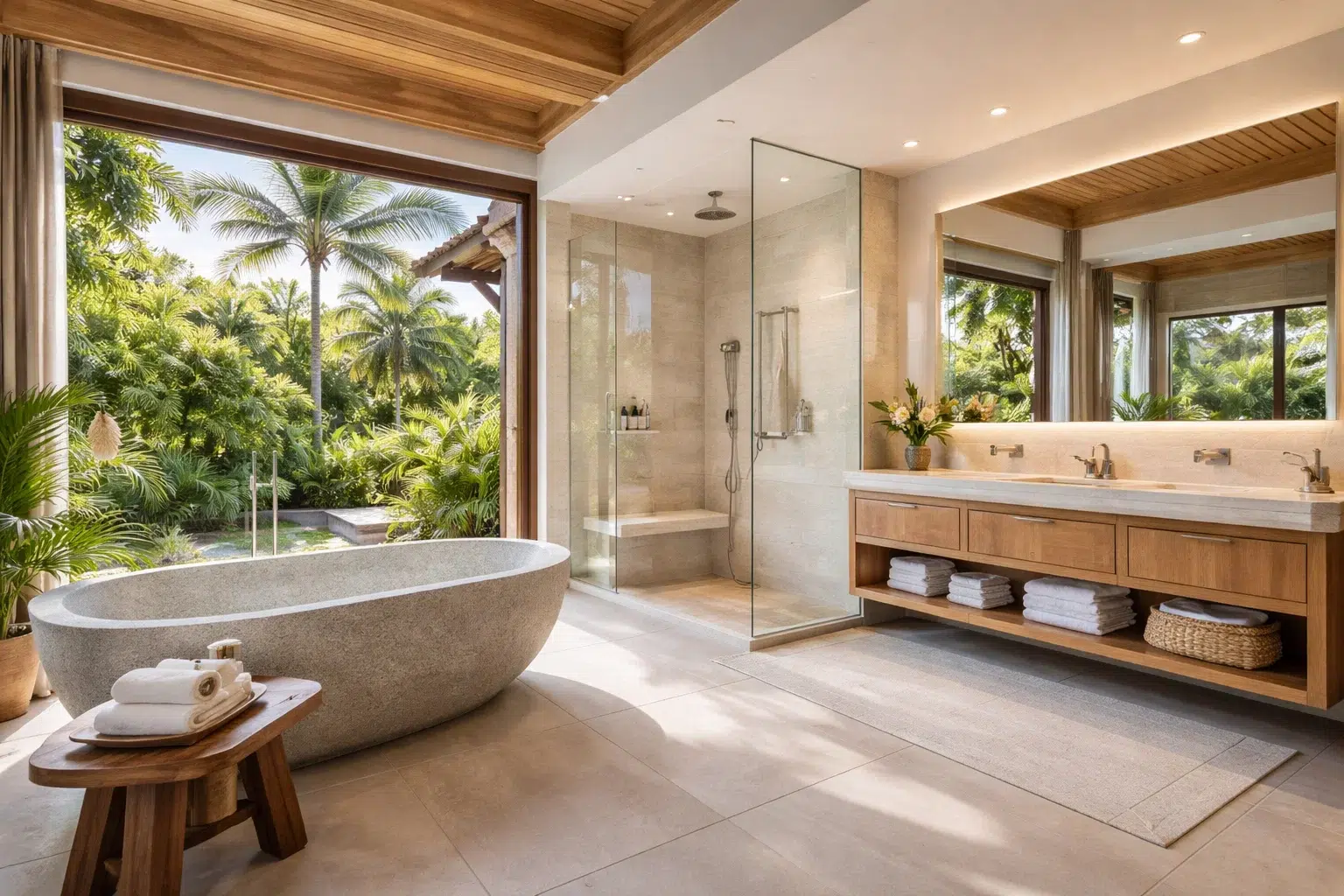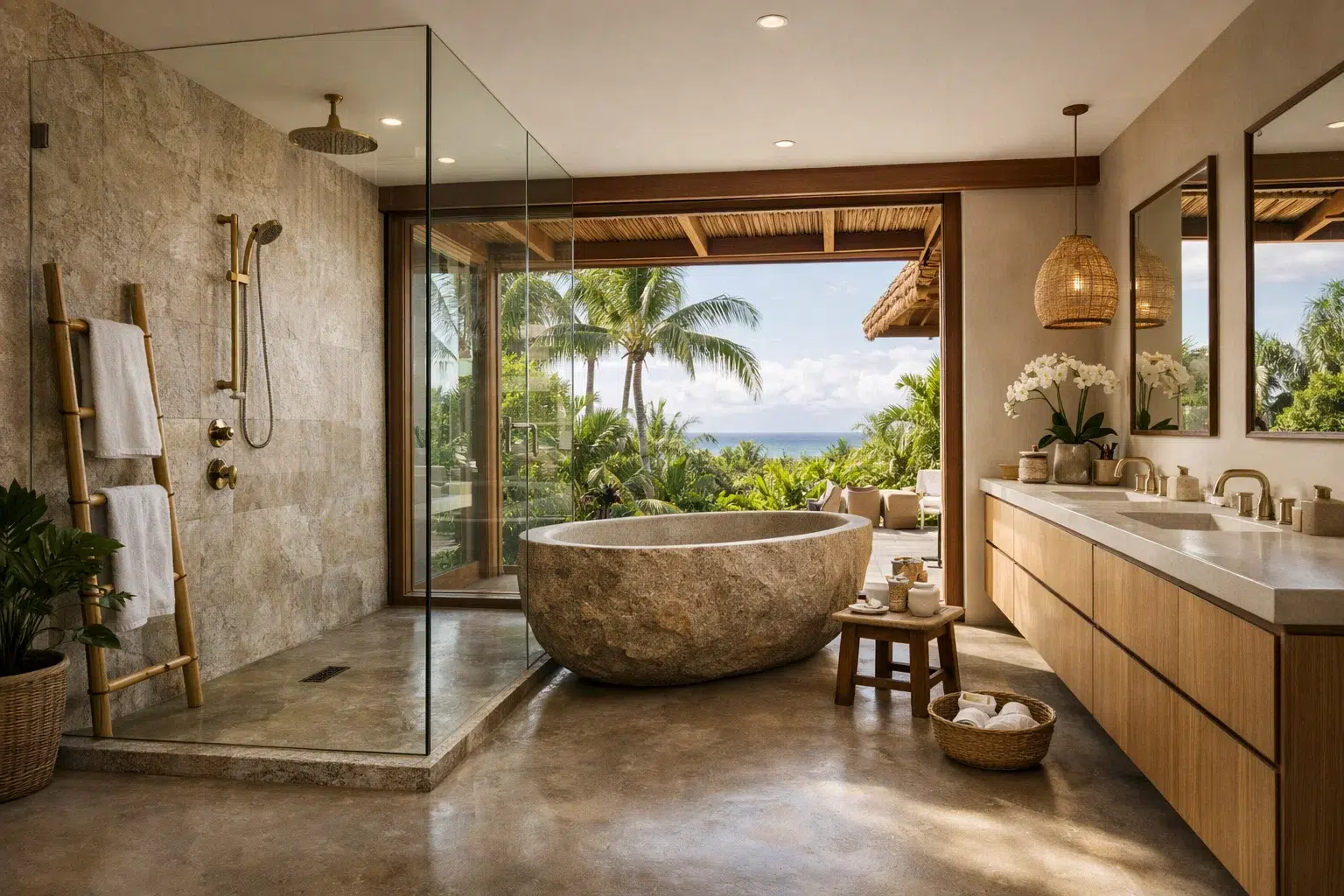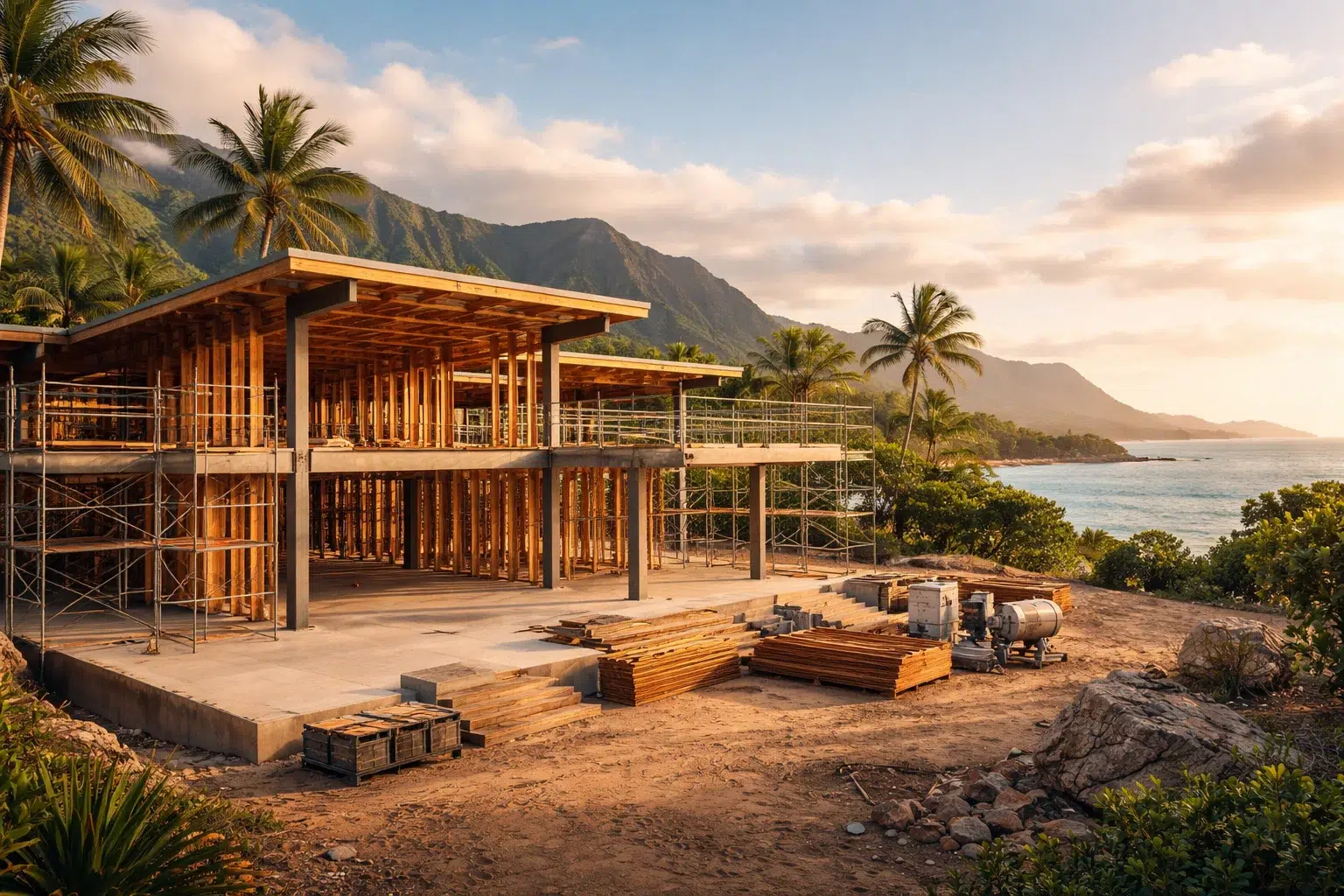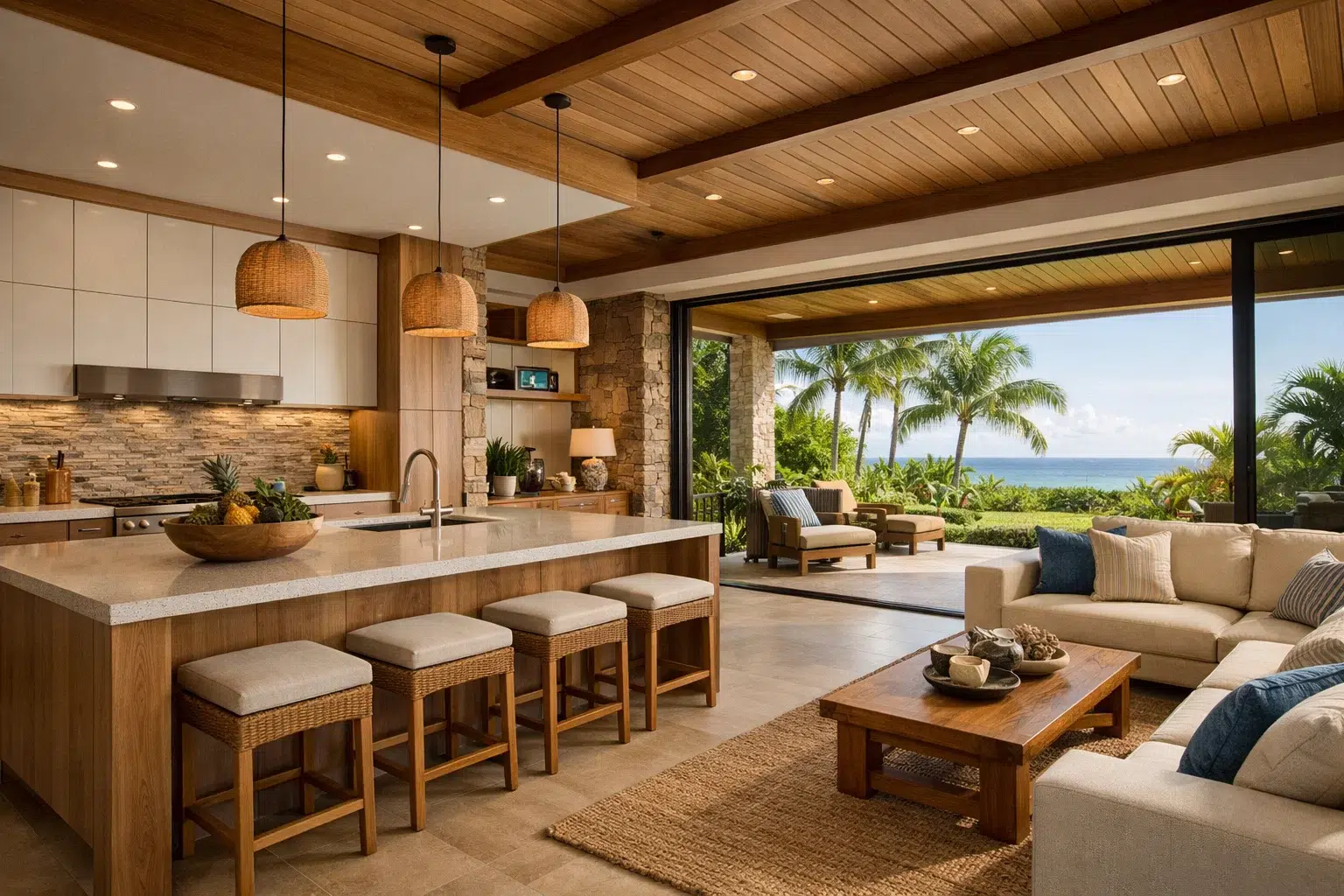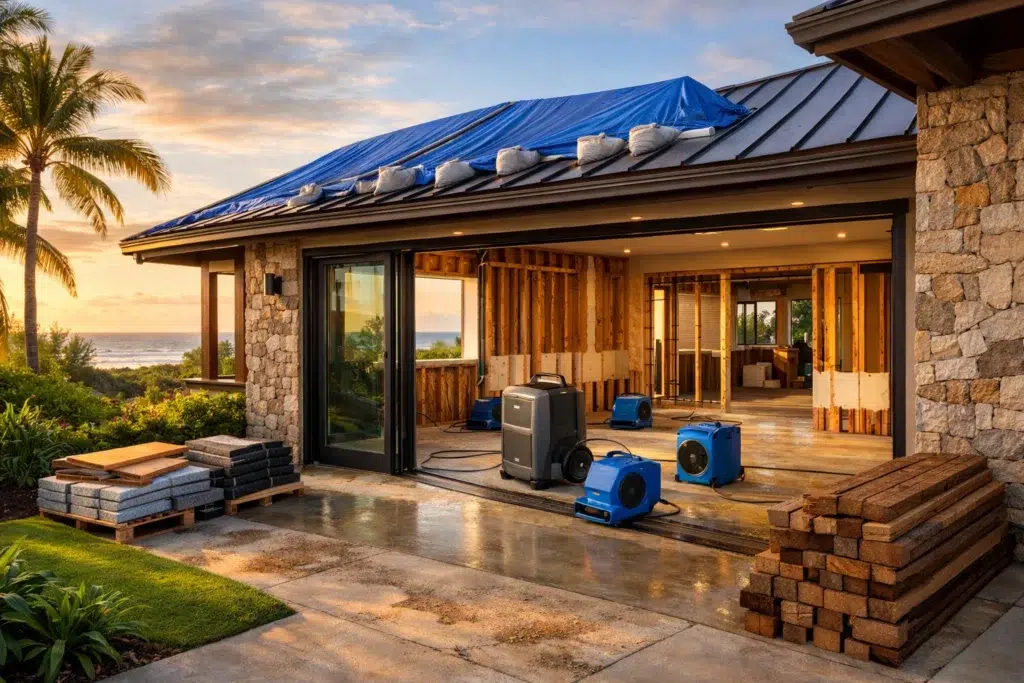
Residential Restoration Hawaii in Hawaii: What Homeowners Need to Know
Living in Hawaii means enjoying ocean views, trade winds, and tropical beauty, but it also means protecting your home from moisture, storms, salt air, and unexpected damage. Restoration projects require careful planning tailored to island conditions and local building requirements.
Whether your property has suffered water intrusion, fire damage, or structural deterioration, understanding the residential restoration process in Hawaii helps you make informed decisions. This guide explains what to expect, key benefits, cost factors, and how professional contractors help protect your paradise investment.
Understanding Residential Restoration Hawaii for Hawaii Homes

Residential restoration Hawaii services help homeowners repair and rebuild properties damaged by water, fire, storms, or age-related deterioration. In island environments, restoration requires specialized materials, moisture control strategies, and local permitting knowledge to protect structural integrity and long-term property value across Hawaii’s diverse microclimates statewide.
Water and Moisture Damage Restoration
In Hawaii, heavy rains, humidity, and plumbing failures often require residential restoration Hawaii solutions focused on rapid drying, mold prevention, and structural stabilization. Immediate mitigation prevents rot, protects framing, and reduces long-term health risks associated with excessive moisture and microbial growth.
Fire and Smoke Damage Repair
Fires can cause structural compromise, smoke infiltration, and persistent odor damage. Residential restoration Hawaii professionals assess framing, insulation, and air systems to restore safety. Specialized cleaning, deodorization, and reconstruction techniques ensure your home meets safety standards and feels comfortable again.
Storm and Wind Damage Recovery
Hurricanes and tropical storms may damage roofing, siding, windows, and lanais. Residential restoration Hawaii projects often include structural reinforcement, roof replacement, and water intrusion repairs. Addressing wind-driven rain and uplift damage quickly prevents compounding structural deterioration.
Structural and Aging-Related Repairs
Salt air corrosion, termites, and long-term moisture exposure gradually weaken building components. Residential restoration Hawaii services address compromised framing, spalling concrete, and deteriorated finishes. Early intervention extends your home’s lifespan while maintaining island-specific durability and resilience.
Key Benefits of Residential Restoration Hawaii for Homeowners
When damage occurs, restoring rather than replacing an entire home can preserve character, reduce costs, and protect property value. Well-managed residential restoration Hawaii projects focus on structural integrity, safety, efficiency, and long-term resilience in Hawaii’s demanding climate conditions.
Benefits include:
- Preserving original architectural character while upgrading structural performance
- Preventing mold growth and moisture-related health concerns
- Strengthening homes against future storms and humidity exposure
- Improving indoor air quality through proper remediation
- Extending the roof, siding, and structural lifespan
- Increasing property value and insurability
- Reducing long-term maintenance costs
- Ensuring compliance with Hawaii building codes and permit requirements
Restoration done correctly protects both your financial investment and your family’s safety.
Popular Restoration Options in Hawaii Homes

Homeowners can tailor residential restoration Hawaii projects based on the type and severity of damage. The following options are commonly incorporated into island restoration plans.
Whole-Home Water Mitigation and Reconstruction
Severe flooding or pipe failures may require comprehensive drying, material removal, and reconstruction. Residential restoration Hawaii specialists use moisture mapping, dehumidification systems, and structural repairs to restore walls, flooring, and cabinetry while preventing hidden mold growth.
Roof and Envelope Reinforcement
Roof leaks are common in tropical climates. Residential restoration Hawaii often includes upgrading roofing systems, improving flashing, sealing penetrations, and reinforcing exterior walls. These improvements protect against wind-driven rain and extend the lifespan of your building envelope.
Interior Smoke and Air Quality Remediation
After fire events, air purification and surface cleaning are critical. Residential restoration Hawaii teams address smoke residue in ducts, insulation, and finishes. Proper remediation eliminates odors, improves indoor air quality, and restores safe living conditions.
Structural Concrete and Framing Repairs
Spalling concrete, termite damage, and corrosion require professional assessment. Residential restoration Hawaii projects frequently involve replacing compromised framing members, repairing foundations, and sealing exposed surfaces to resist moisture intrusion and salt air deterioration.
Cost Factors to Consider Before Starting Your Project
Restoration costs vary depending on damage severity, material selection, and permitting requirements. In Hawaii, logistics, labor availability, and island-specific building standards also influence overall project investment and timeline expectations.
| Cost Factor | What Influences It |
|---|---|
|
Scope of Damage |
Extent of structural compromise, water spread, fire impact, or mold contamination |
|
Materials |
Quality of replacement materials, moisture-resistant upgrades, and specialty finishes |
|
Permits and Inspections |
County-specific permit requirements and inspection schedules |
|
Labor |
Skilled local contractor availability and trade coordination |
|
Timeline |
Urgency of mitigation, material shipping, and inspection approvals |
Because each home and damage event is unique, restoration professionals conduct detailed assessments before providing estimates. Transparent scopes of work help homeowners understand necessary repairs, optional upgrades, and realistic scheduling expectations without promising fixed pricing prematurely.
Why Professional Contractors Matter in Hawaii
Restoring a home in Hawaii requires more than general construction knowledge. Residential restoration Hawaii projects demand climate-specific strategies, regulatory understanding, and careful coordination between mitigation, repair, and rebuilding phases to ensure lasting performance.
- Local Expertise: Contractors understand Hawaii’s humidity, salt exposure, and storm patterns.
- Permits and Compliance: Knowledge of county building departments ensures smoother approvals.
- Safety and Liability: Proper containment, protective equipment, and code-compliant repairs reduce risk.
- Island Durability: Material selection prioritizes corrosion resistance and moisture protection.
- Long-Term Value: Professional restoration protects resale value and insurance eligibility.
Choosing experienced professionals reduces delays, avoids improper repairs, and ensures restoration work truly resolves underlying issues rather than masking them.
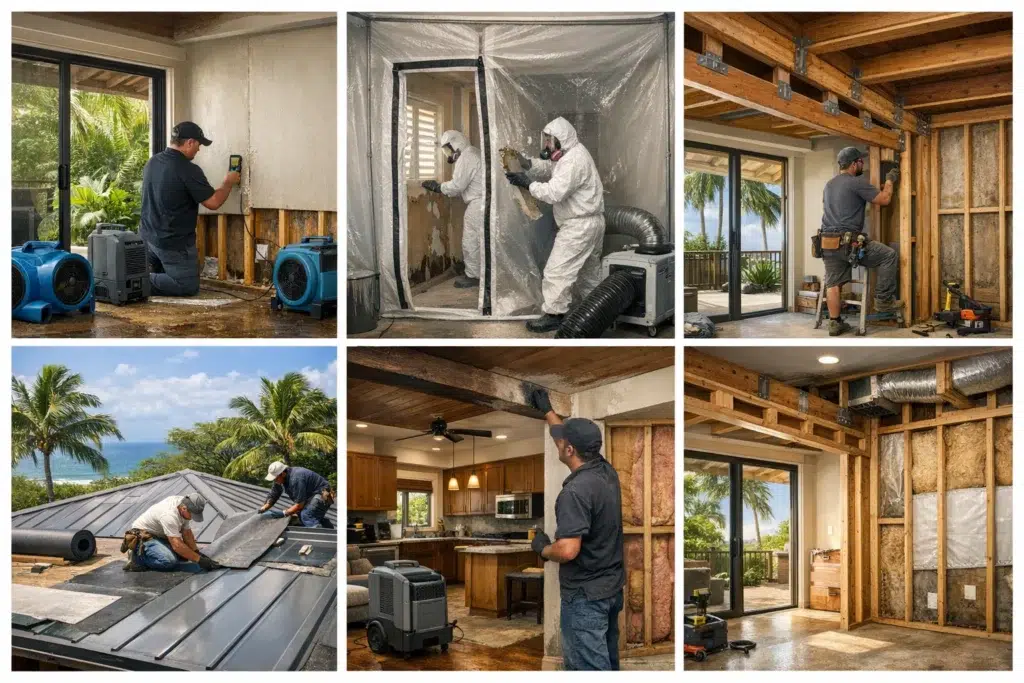
Residential Restoration Hawaii: 6 Proven Expert Fixes
1. Rapid Moisture Extraction and Drying
Immediate water removal minimizes structural swelling and mold formation. Professional drying equipment, moisture meters, and airflow planning help stabilize materials quickly, reducing demolition needs and preventing secondary damage throughout walls, ceilings, and flooring systems.
2. Mold Containment and Remediation
Containment barriers and negative air pressure prevent spores from spreading during remediation. Certified processes remove contaminated materials, sanitize affected areas, and restore healthy indoor environments suitable for Hawaii’s humid climate conditions.
3. Structural Reinforcement and Framing Repair
Damaged framing members must be evaluated for load capacity and integrity. Expert restoration includes reinforcing beams, replacing compromised studs, and ensuring all structural elements meet modern safety and building standards.
4. Roofing and Waterproofing Upgrades
Water intrusion often begins at roofing penetrations and flashing points. Upgraded membranes, improved drainage design, and corrosion-resistant materials enhance long-term protection against Hawaii’s intense sun, wind, and rain exposure.
5. Smoke and Odor Elimination
Advanced cleaning agents and filtration systems remove embedded smoke particles from surfaces and air systems. Thorough deodorization restores comfort and eliminates lingering odors that can otherwise persist for months.
6. Preventative Improvements for Future Resilience
Restoration provides an opportunity to upgrade insulation, ventilation, and moisture barriers. These improvements strengthen your home against future storms, humidity, and aging-related deterioration while improving overall efficiency.
Why Homeowners Trust United Construction Group Hawaii
United Construction Group Hawaii brings years of hands-on experience restoring island homes affected by water, fire, storms, and structural wear. Their team understands Hawaii’s permitting processes, climate challenges, and material demands, delivering restoration solutions designed for durability and long-term peace of mind.
Homeowners value their transparent communication, detailed project planning, and commitment to quality craftsmanship. From assessment through final walkthrough, the company emphasizes safety, compliance, and reliability, helping families confidently restore and protect their homes throughout Hawaii.
Testimonials
“Brandon and the United Construction crew are very professional and they know what they are doing!” – Alvaro Guarana Jr.
“Brandon and his team are fantastic! Their response time is always quick, and the quality of their work is consistently excellent. Both myself and my clients have been very happy with the results. Highly recommend them for their professionalism and reliability. Thank you!” – Miki Kojima
“You would be hard pressed to find a more honest, reliable, and fair priced company to work with than UCG! Consider yourself lucky if you have the opportunity to work with Brandon and his company!” – Jesse Alverio
How It Works: Our Step-by-Step Process
Step-1: Initial Assessment and Damage Evaluation
Our team conducts a thorough on-site inspection to identify visible and hidden damage. Moisture readings, structural checks, and safety evaluations help determine the scope of residential restoration work required.
Step-2: Mitigation and Containment
We immediately address active leaks, standing water, or hazardous conditions. Containment systems prevent contamination spread while drying equipment and protective measures stabilize the affected areas.
Step-3: Detailed Scope and Planning
A clear restoration plan outlines required repairs, materials, permits, and scheduling considerations. Transparent communication ensures homeowners understand timelines, sequencing, and necessary approvals.
Step-4: Repair and Reconstruction
Skilled trades complete structural repairs, material replacement, and finishing work. All restoration activities follow Hawaii building codes and prioritize durability in island conditions.
Step-5: Final Inspection and Quality Assurance
Before project completion, we conduct a comprehensive walkthrough to confirm safety, functionality, and workmanship standards. Homeowners receive clear documentation and maintenance guidance.
Frequently Asked Questions
How much does residential restoration in Hawaii typically cost?
How long does a restoration project take?
Do I need permits for restoration work?
Can I live in my home during restoration?
Will restoration improve my home’s future durability?
Protect Your Hawaii Home with Expert Restoration Guidance
If your home has experienced damage or shows signs of deterioration, a professional evaluation focusing on home renovation and restoration can prevent larger problems later. Contact United Construction Group Hawaii to schedule a consultation and receive clear, experienced guidance tailored to your property and island-specific restoration needs.